
A Pattern Hidden in Plain Sight
Intimate partner violence (IPV) doesn’t just escalate. Often, warning signs, disclosures, and acts of violence are minimized, dismissed, or explained away – delaying the action that could save lives.
Intimate partner violence doesn’t just escalate.
It’s downplayed first.
When language is used to explain away violence against women and girls, it doesn’t just reduce harm—it creates the conditions for harm to continue.
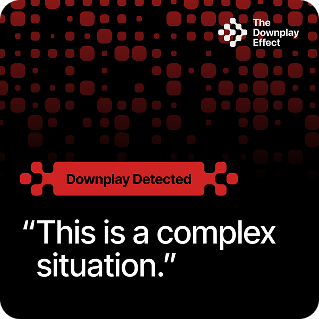
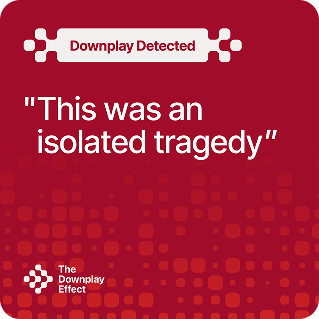
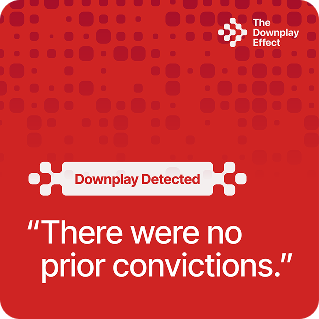
IPV is often downplayed as…

A tragedy
Under review
Isolated
Complex
A concern
The Downplay Effect names this pattern so that it can no longer be ignored.
Is your city taking IPV seriously?
76 Municipal candidates have already committed!
Intimate partner violence is a public safety issue. Yet too often, it’s minimized, overlooked, or treated as someone else’s responsibility.
That’s downplaying.
The Downplay Detector tracks whether your municipal candidates and elected leaders across BC have committed to five concrete actions to address intimate partner violence.
Check the Downplay Detector now to see who has committed to including intimate partner violence in their policy platform — and who hasn’t.
Downplayers are everywhere.
Our role is to see a downplay and call it out.
These are real examples of intimate partner violence being minimized, dismissed, or explained away. Every headline reveals a moment where warning signs were overlooked, accountability was delayed, or violence wasn’t treated with the urgency it deserved.

DOWNPLAY DETECTED
Jimmy Fallon Conor McGregor backlash reminds furious viewers of ‘disgraceful’ interview

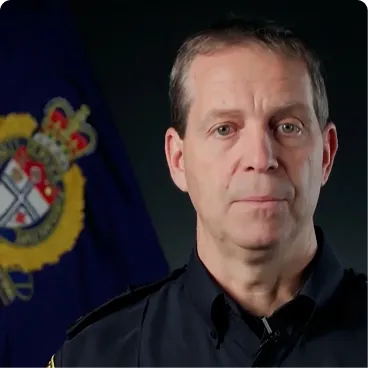
DOWNPLAY DETECTED
Ottawa police chief warns officers to stop abusing databases for sexual misconduct

DOWNPLAY DETECTED
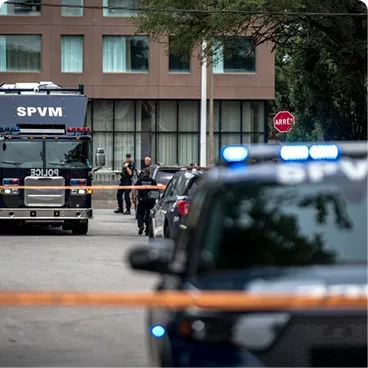
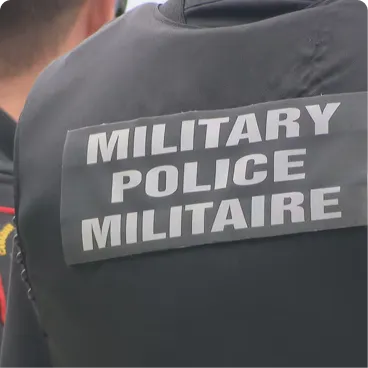
Military police failed to transfer almost 70 per cent of sexual offence cases over the past five years to civilian police

DOWNPLAY DETECTED
Trump questions whether ‘lesser’ crimes such as domestic violence should count toward DC crime statistics

DOWNPLAY DETECTED
Judge Says Police Failed to Take Intimate Partner Violence Seriously Enough
About The Downplay Effect
The Downplay Effect names something many people have seen but struggled to describe.
Warning signs are routinely dismissed, while concerns are minimized and intimate partner violence is explained away until it is too late.
When we recognize and name these moments, they become harder to ignore and harder to excuse.
The Downplay Effect brings together people across British Columbia who believe intimate partner violence must be recognized and addressed before it escalates. Together, we are challenging the delays, deflections, and inaction that allow intimate partner violence to continue.
Public safety starts at home so every community should be among the safest places in the world for women. That begins by refusing to downplay intimate partner violence and demanding action when we see it.

Turn Your Story Into Action
Across British Columbia, people have witnessed or experienced intimate partner violence being minimized, dismissed, or explained away.
These stories reveal a pattern that too often remains hidden. We are collecting and amplifying these experiences to create a powerful public record that demonstrates the real-world consequences of downplaying violence.
Have you ever witnessed or experienced intimate partner violence being downplayed?
Maybe warning signs were ignored.
Maybe someone was told they were overreacting.
Maybe concerns were dismissed as a private matter.
Your story matters.
By sharing your experience, you can help expose patterns of inaction and strengthen the call for change across British Columbia.
Add your story
By submitting this form I accept the Privacy Policy of this site.
Sharing your story can bring up difficult memories or feelings. If you are feeling distressed, unsafe, or in crisis, BWSS Crisis Line team members are available to support you.
Call: 1-855-687-1868
Email: intake@bwss.org
A crisis can include emotional distress, fear for your safety, physical, sexual, or emotional abuse, or any situation where you feel overwhelmed, unsafe, or unsure what to do next.
The cost of downplaying
When intimate partner violence is minimized, lives are put at risk.
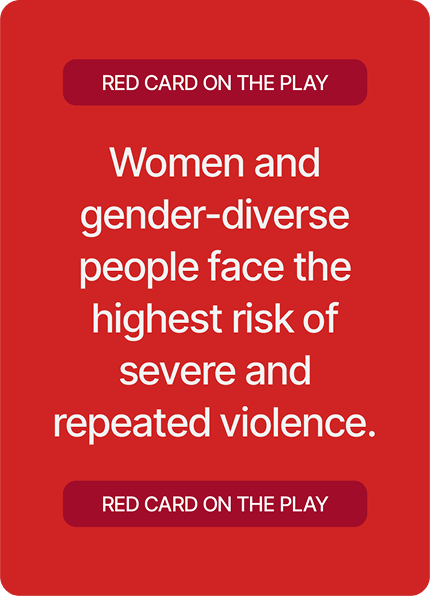
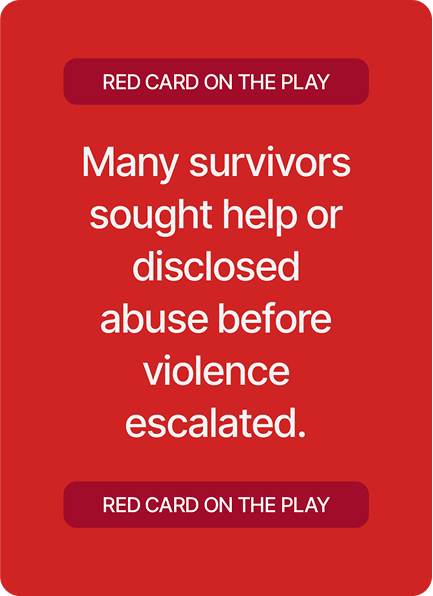
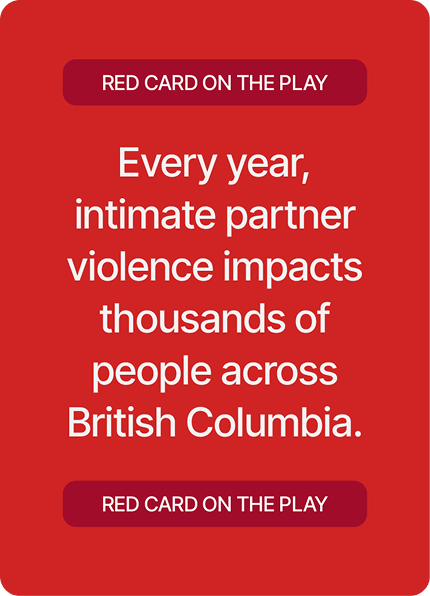
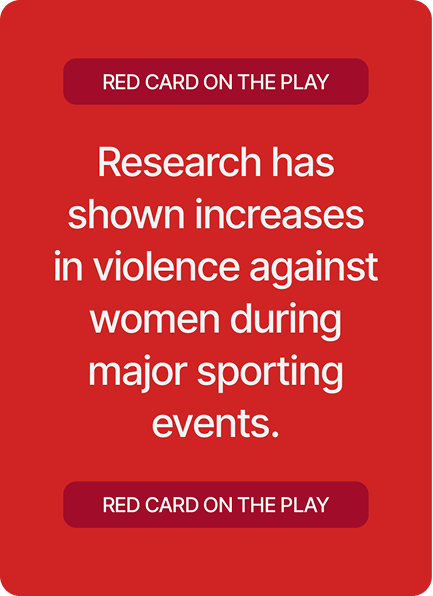
Downplaying doesn’t reduce harm; it allows harm to continue.
Make this pattern impossible to ignore
The more people who recognize The Downplay Effect, the harder it becomes to dismiss intimate partner violence as someone else’s problem.
Download campaign graphics, share information with your community, and help amplify stories from across British Columbia.