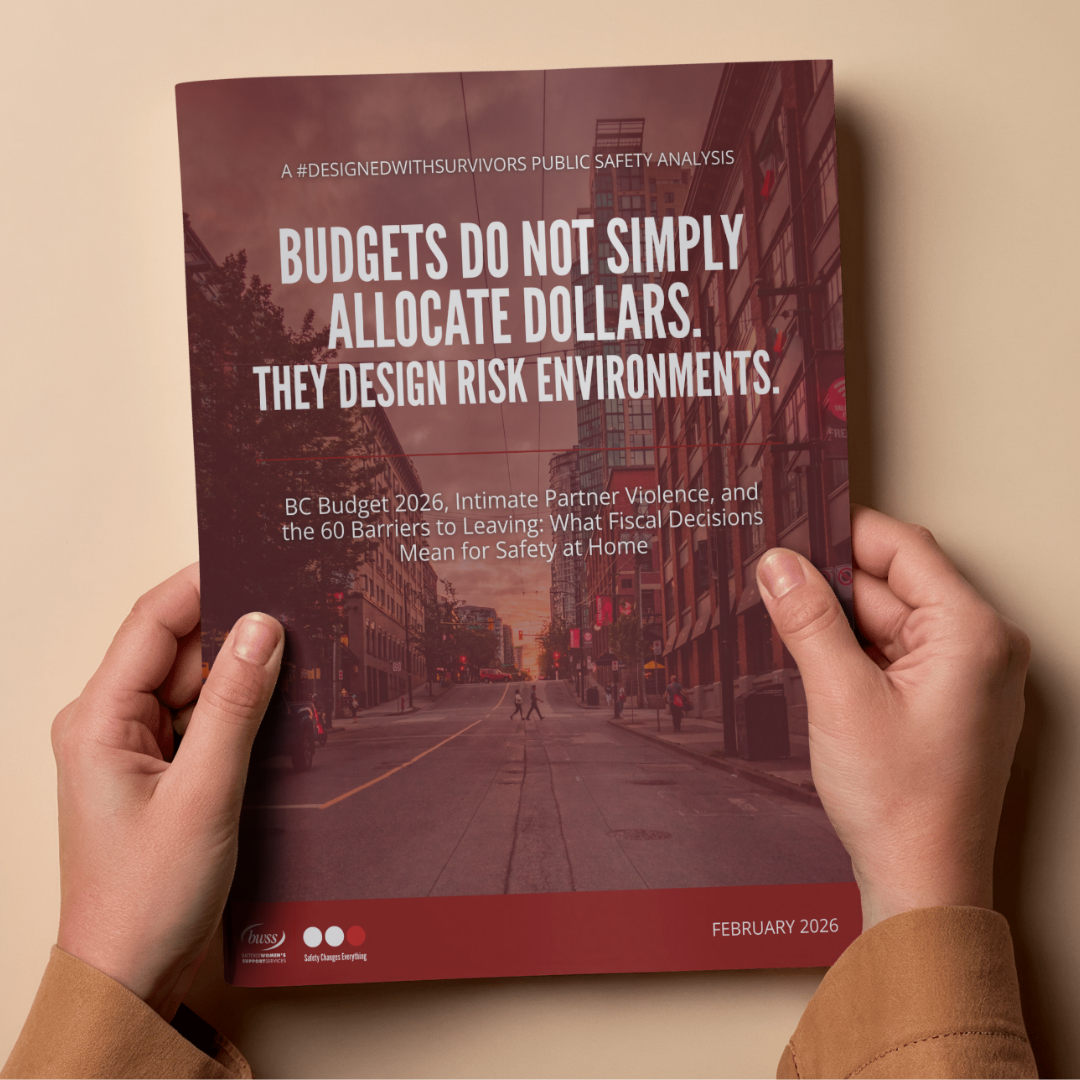
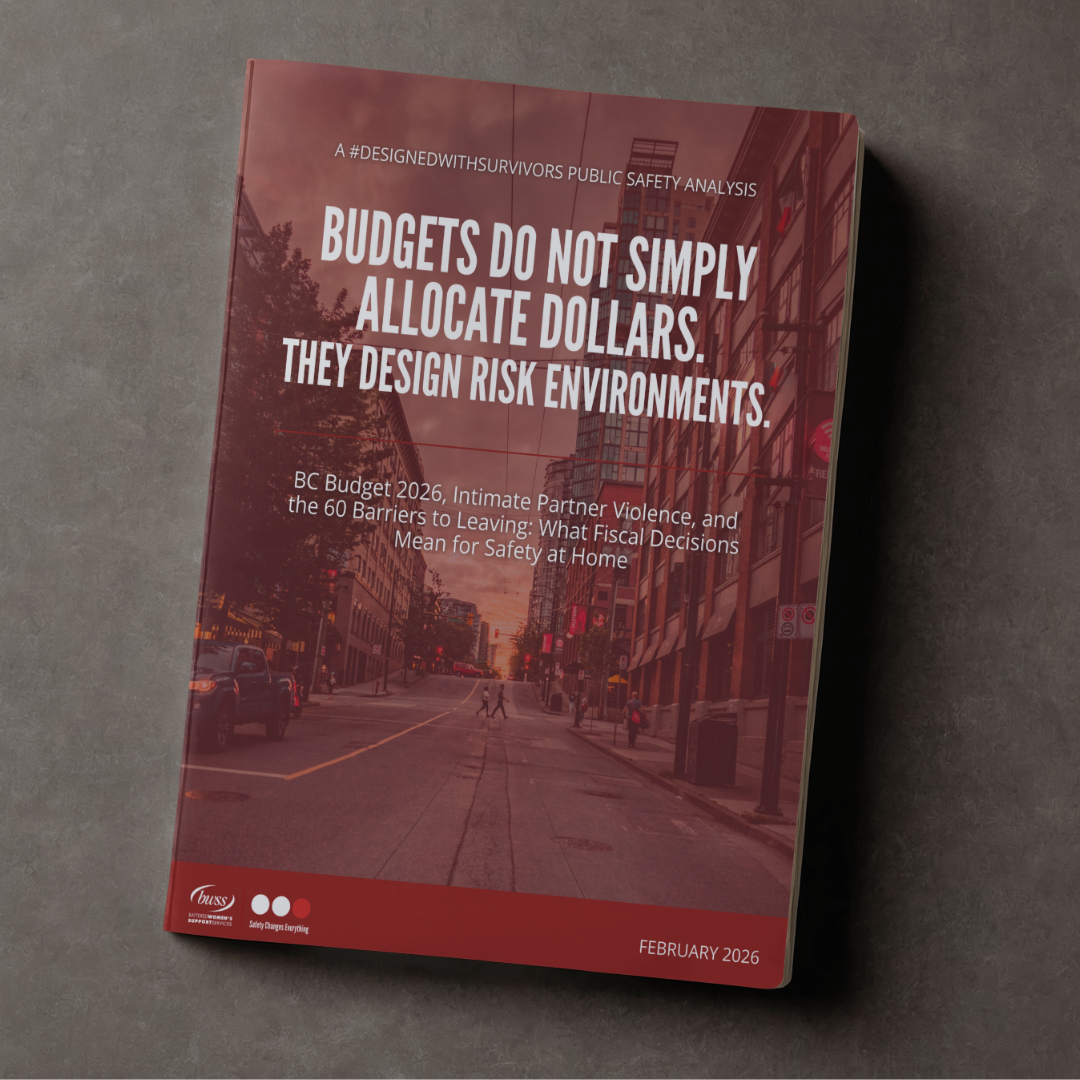
For International Women’s Day, Battered Women’s Support Services (BWSS) as released new analysis examining how fiscal decisions shape the conditions under which survivors attempt to leave violence.
Gender-based violence most often occurs in the home, yet social and public policy debates rarely begin there. Budget discussions are now focussed on resource extraction, economic growth, fiscal stability, or institutional performance. Far less attention is given to the everyday systems that determine whether victim-survivors can safely act on decisions intended to protect themselves and their children.
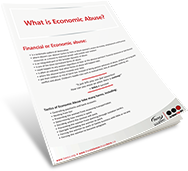
Drawing on decades of frontline work, BWSS analyzes BC Budget 2026 through the 60 Barriers to Leaving framework. This approach recognizes that survivors rarely encounter a single obstacle when attempting to leave violence. Instead, they navigate interacting systems, housing availability, income security, child care access, legal processes, social stigma, and access to advocacy, that together shape the risk conditions surrounding safety decisions.
Budgets Do Not Simply Allocate…
This report asks a simple but often overlooked question: does Budget 2026 change the risk environment that determines whether leaving violence is possible?
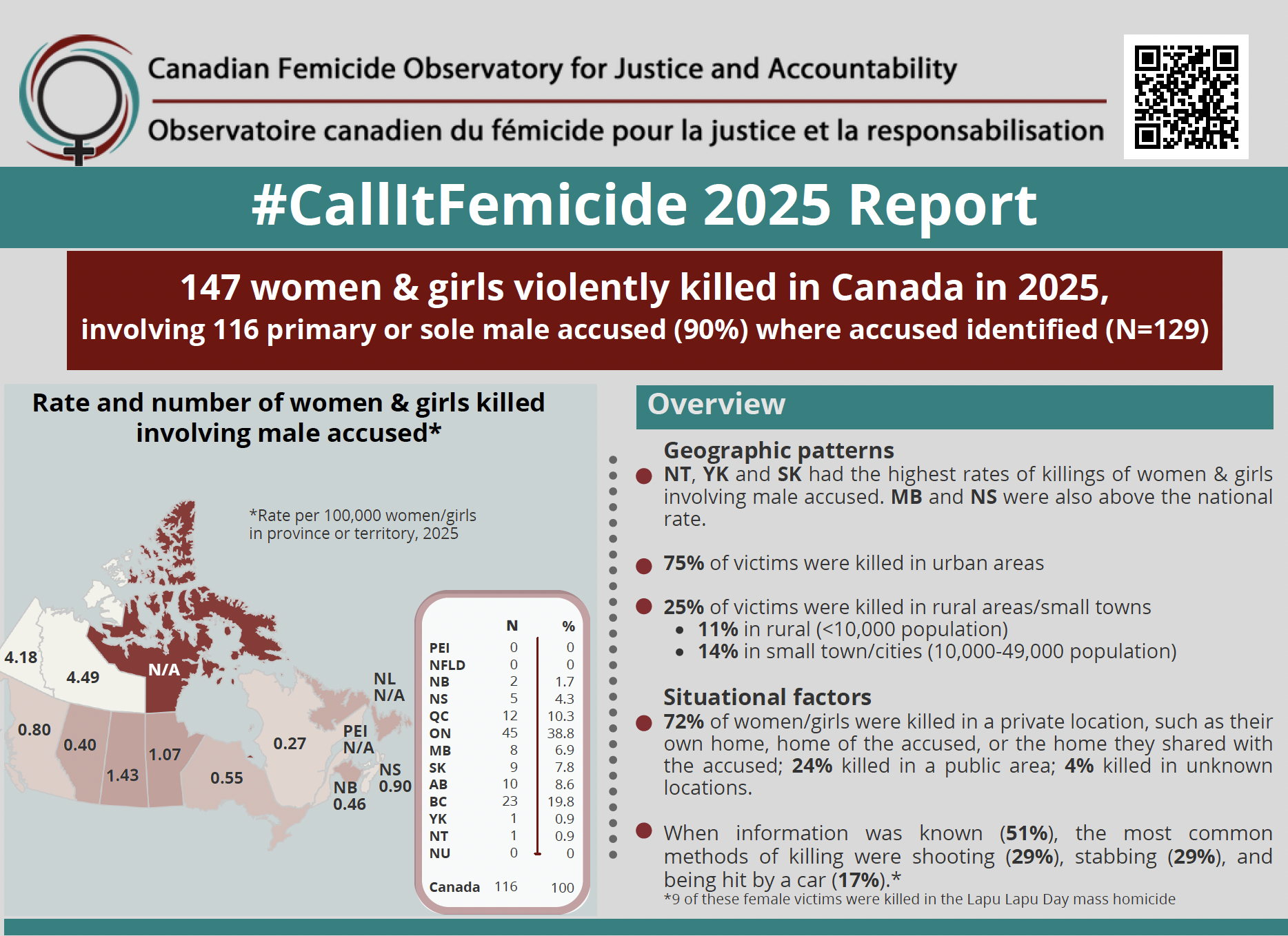
According to the #CallItFemicide 2025 report, femicide has not meaningfully declined in British Columbia. About 20 to 24 women are killed each year, showing a persistent pattern of lethal violence.
BC represents a disproportionate share of national femicides, representing 19% when BC has roughly 14% of Canada’s population. This province has nearly one-fifth of all femicides in the dataset, suggesting BC is overrepresented in lethal violence against women.
Through a #DesignedWithSurvivors social and social and public safety lens, BWSS examines how fiscal decisions intersect with the lived realities of victims and survivors navigating complex systems at the moment they attempt to leave violence. The analysis highlights how stabilization of existing services can protect critical supports while still leaving structural barriers intact.
It’s Your Turn: Join The Conversation
International Women’s Day is a moment to reflect not only on progress made, but on the conditions that continue to shape women’s safety. Understanding how budgets influence those conditions is essential to building communities where survivors can leave violence without facing new forms of risk or instability.