A Moment of Progress and a Reminder of What Survivors Have Been Saying for Years
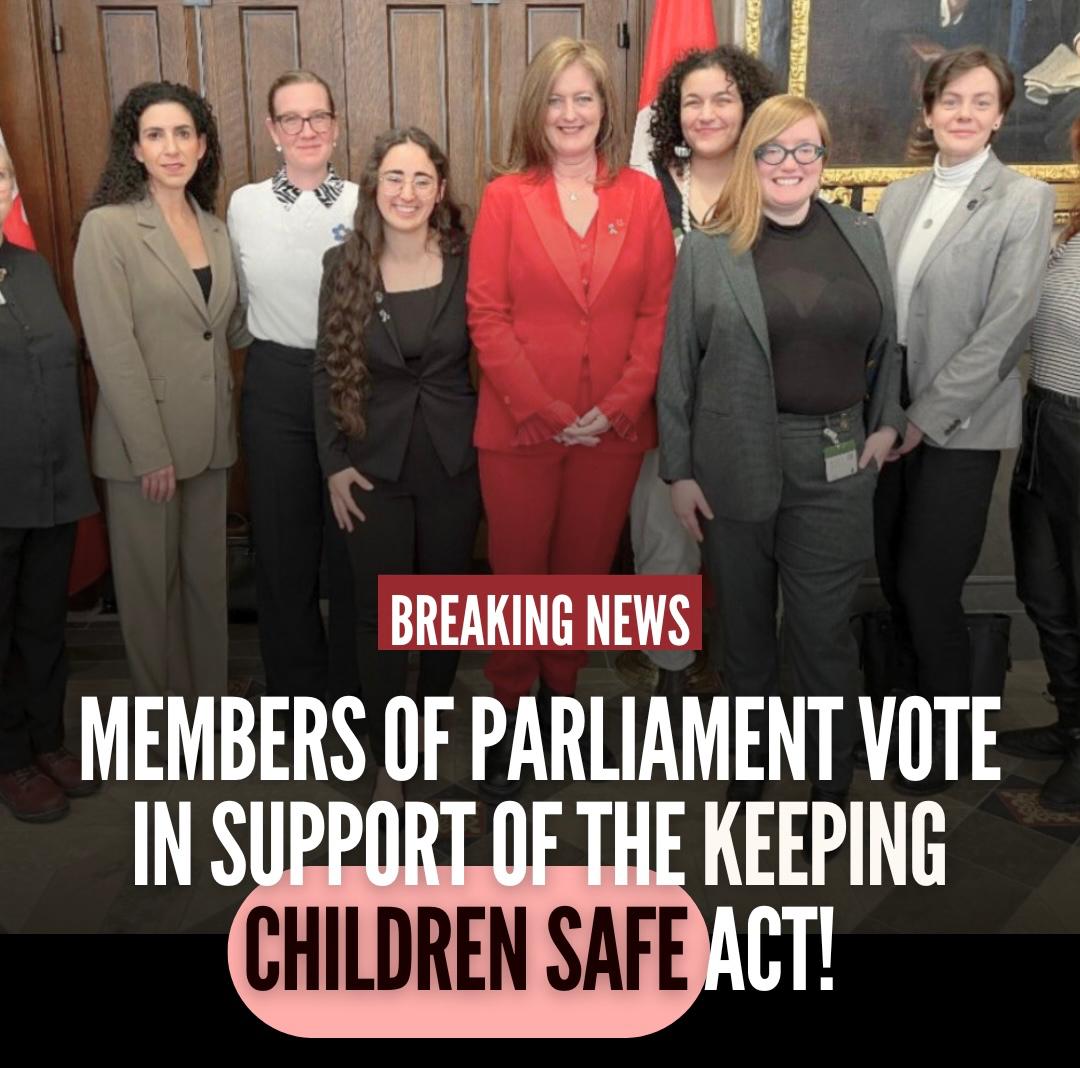
This week, Bill C-223, the Keeping Children Safe Act, passed second reading in the House of Commons and will now move to committee for detailed study. For many Canadians, this may sound like another procedural step in Parliament. For survivors of gender-based violence and the organizations that support them, it represents something much deeper: recognition that family courts must better respond to violence, coercive control, and post-separation abuse.
At Battered Women’s Support Services (BWSS), we have long heard from survivors who describe how raising concerns about violence can be met with accusations of “parental alienation.” These narratives often shift the focus away from harm and onto the survivor’s credibility, creating conditions where safety becomes harder to achieve.
Bill C-223 reflects growing awareness that these dynamics are not isolated stories. They are systemic patterns that require structural change.
What This Legislation Seeks to Address
The proposed reforms aim to strengthen protections for women and children navigating family law processes by:
• ensuring children’s voices and safety are taken seriously
• challenging harmful myths and stereotypes about survivors
• clarifying that decisions must prioritize the best interests of the child rather than assumptions about shared parenting
• preventing practices that punish survivors for naming violence
• requiring greater attention to family violence within legal proceedings
These changes matter because family courts are often where post-separation abuse continues. Legal processes that overlook coercive control can unintentionally reinforce power imbalances long after a relationship ends.
What Survivors Experience, Beyond the Legislation
While legal reform is important, survivors consistently remind us that changing the wording of the law is only one part of the work.
Many women navigating family court describe:
• being advised not to raise violence for fear of backlash
• facing skepticism about their credibility
• feeling pressure to prioritize contact over safety
• navigating processes that do not fully account for coercive control
These realities are why BWSS approaches family law as part of a broader public safety framework. Violence does not end at separation. The systems survivors encounter afterward must recognize that risk can continue and sometimes escalate.
The Political Landscape and Why Advocacy Still Matters
Although Bill C-223 has passed second reading, its future is not guaranteed. The committee stage will involve detailed review and potential amendments. Some political parties have expressed support with conditions, while others may seek to weaken key provisions, particularly those addressing parental alienation accusations.
Frontline organizations and survivor advocates have played a significant role in bringing these issues to Parliament, and continued engagement will be essential as the bill moves forward.
At BWSS, we view this moment not as a conclusion, but as part of an ongoing conversation about how family law intersects with gender-based violence, child safety, and public accountability.
BWSS’s Role, Where Law Meets Lived Experience
For decades, BWSS has worked alongside survivors navigating complex legal systems. Our legal advocacy, safety planning, and training initiatives are grounded in what women and children actually experience, beyond only in crisis, but throughout the long process of rebuilding safety.
We are currently preparing a provincial submission addressing post-separation abuse and systemic responses within British Columbia. While federal legislation like Bill C-223 focuses on the Divorce Act, meaningful change requires alignment across jurisdictions. Federal reform can set important standards, but implementation and practice at the provincial level will ultimately shape outcomes for survivors.
Family Court Is Public Safety Infrastructure
Too often, conversations about family law are framed as private disputes. Survivors know that these decisions shape housing stability, economic security, child safety, and long-term wellbeing.
Recognizing family court as part of public safety shifts the focus away from blame and toward accountability. It invites systems to consider not only individual cases, but the broader patterns of coercive control that survivors describe.
#DesignedWithSurvivors means listening to lived experience early, before harm escalates, and building responses that prioritize safety over stereotypes.
Progress, But Not the Finish Line
Bill C-223 represents progress, and progress deserves recognition. But real change requires more than legislation. It requires cultural shifts within institutions, consistent application of trauma- and violence-informed practices, and ongoing advocacy from survivors and communities.
At BWSS, we remain committed to advancing survivor-centred reform , federally and provincially, and to ensuring that conversations about family law continue to centre safety, dignity, and accountability.
Safety changes everything.
BWSS Crisis Line: 604-687-1867
www.bwss.org