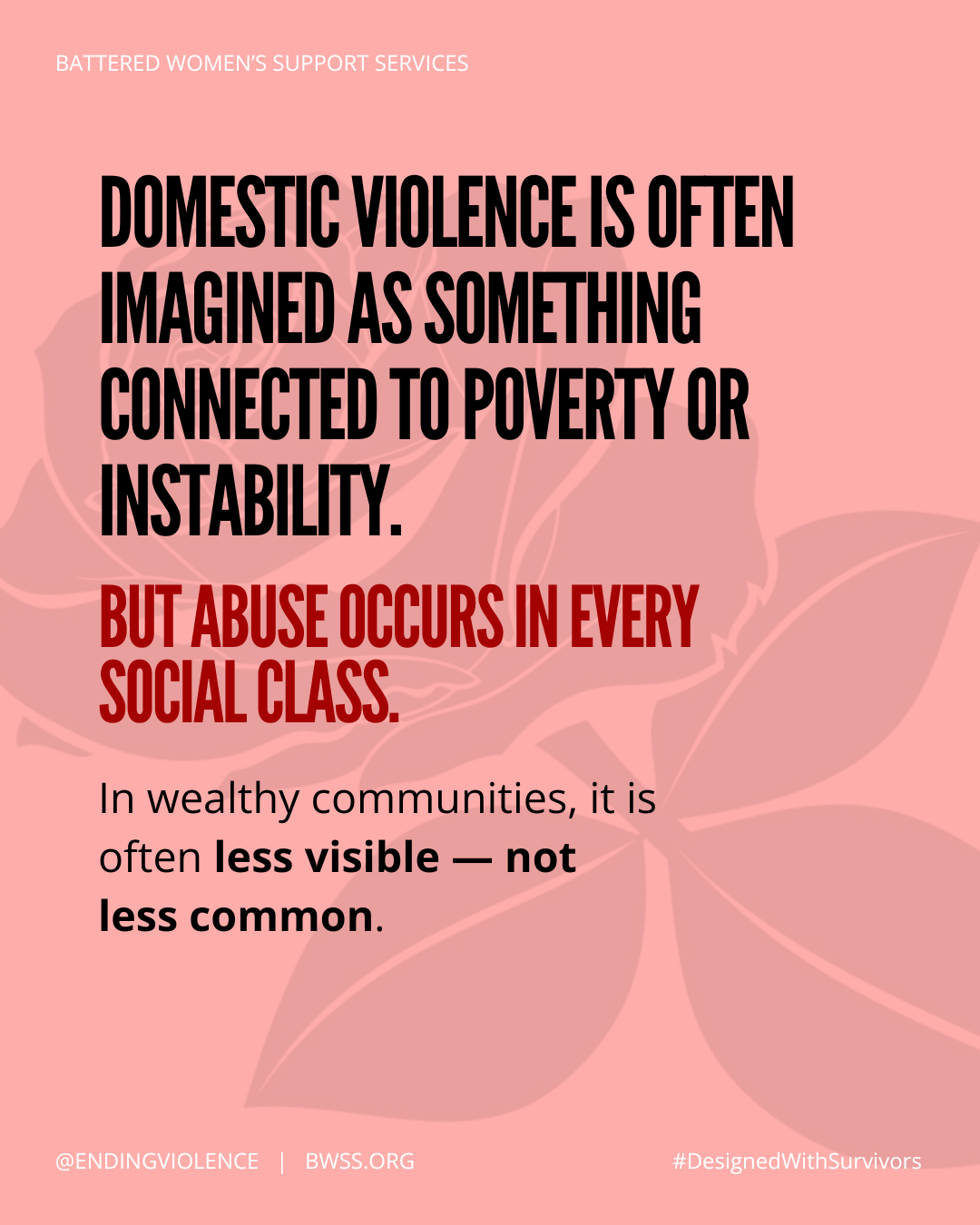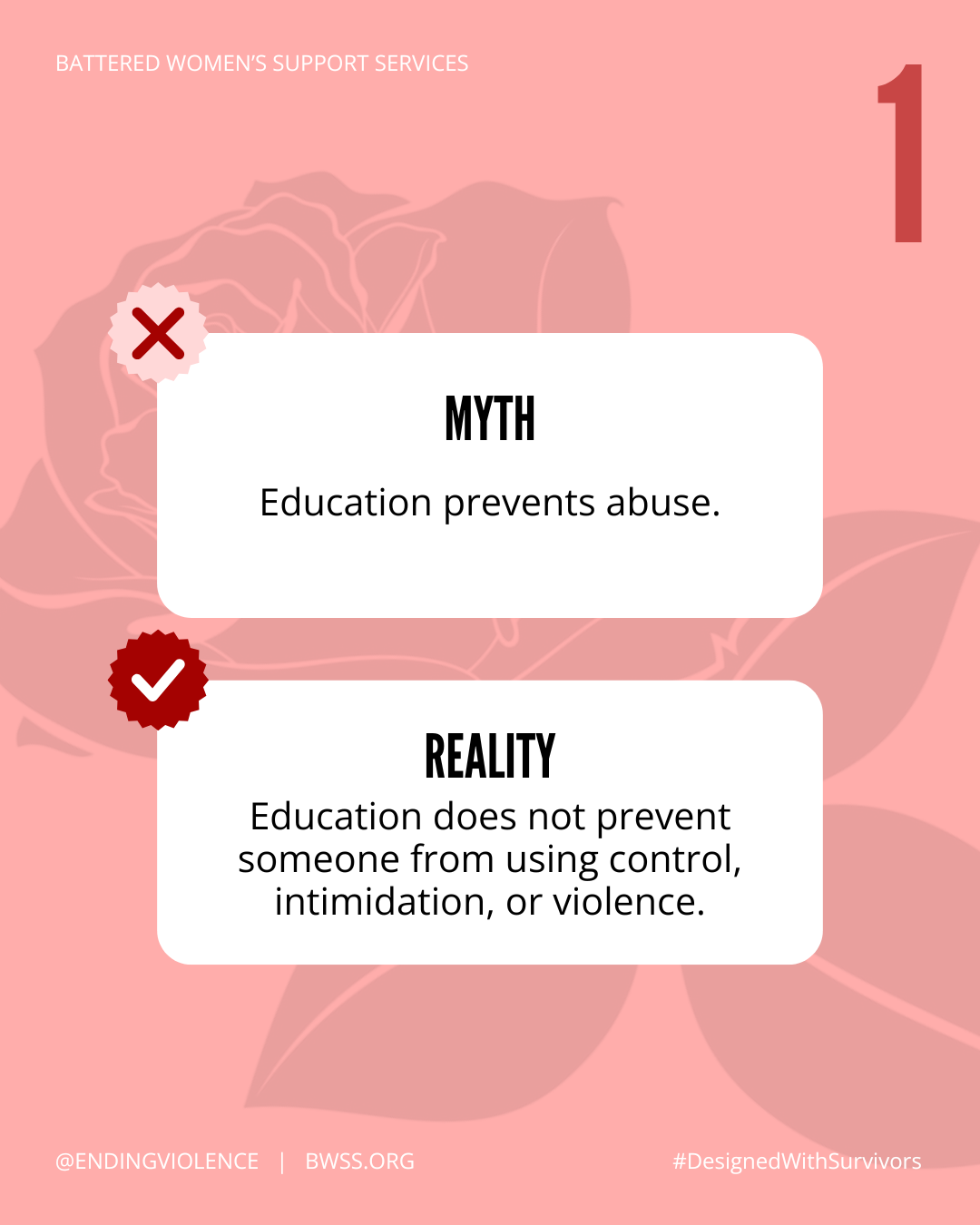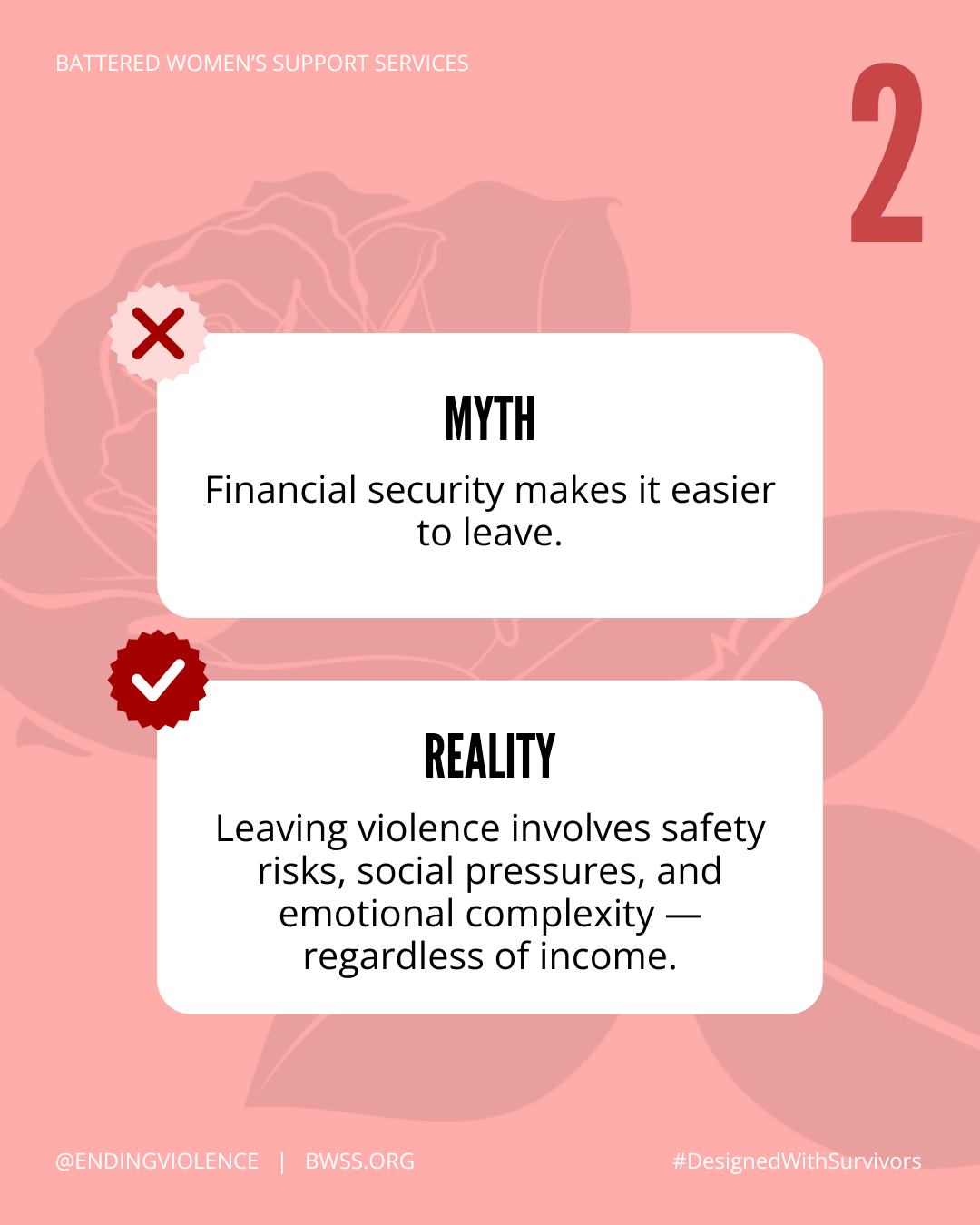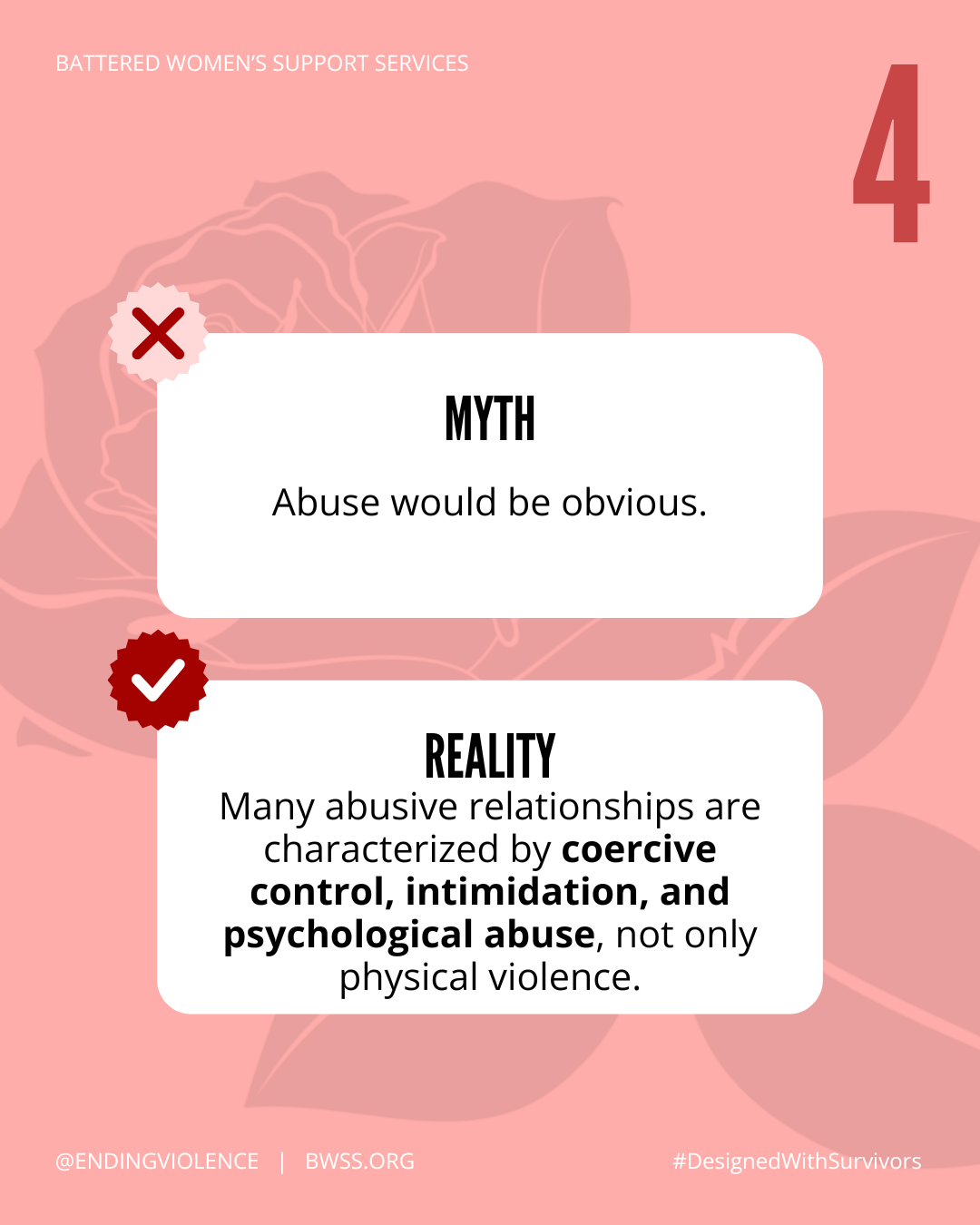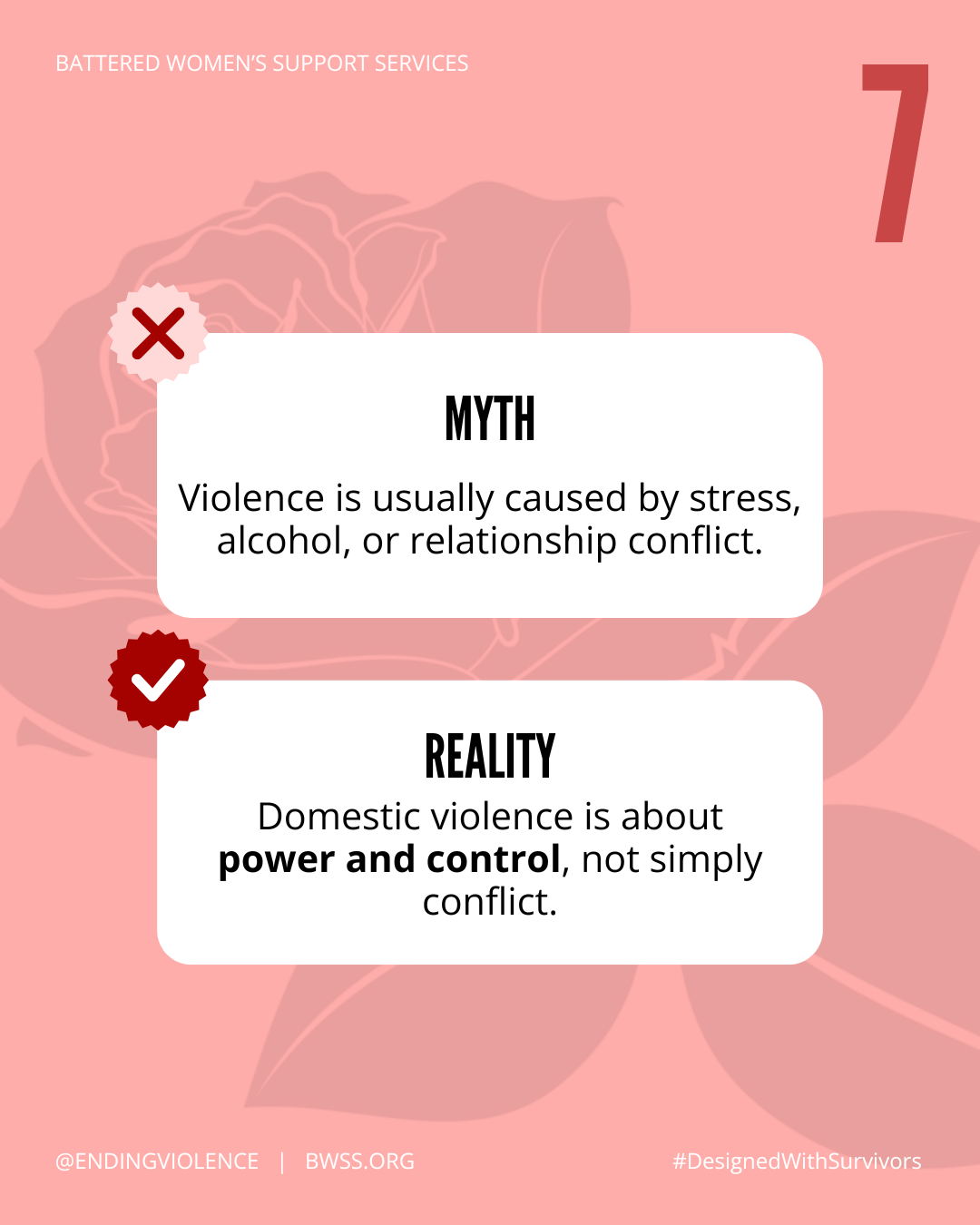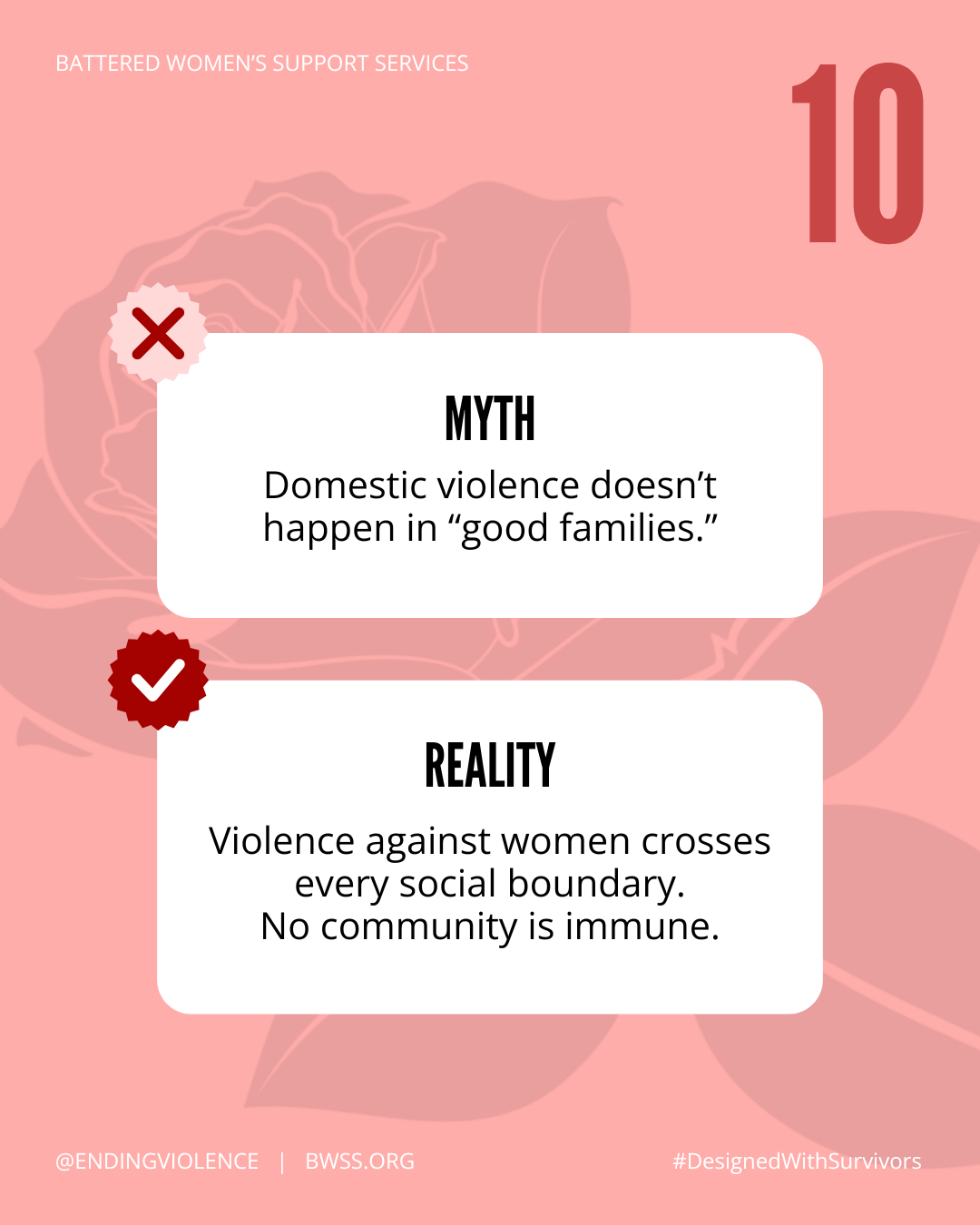
Domestic violence is often framed as an issue associated with poverty, instability, or social disadvantage. While economic stress can certainly intensify violence, this narrative obscures an important reality: abuse occurs across all social classes.
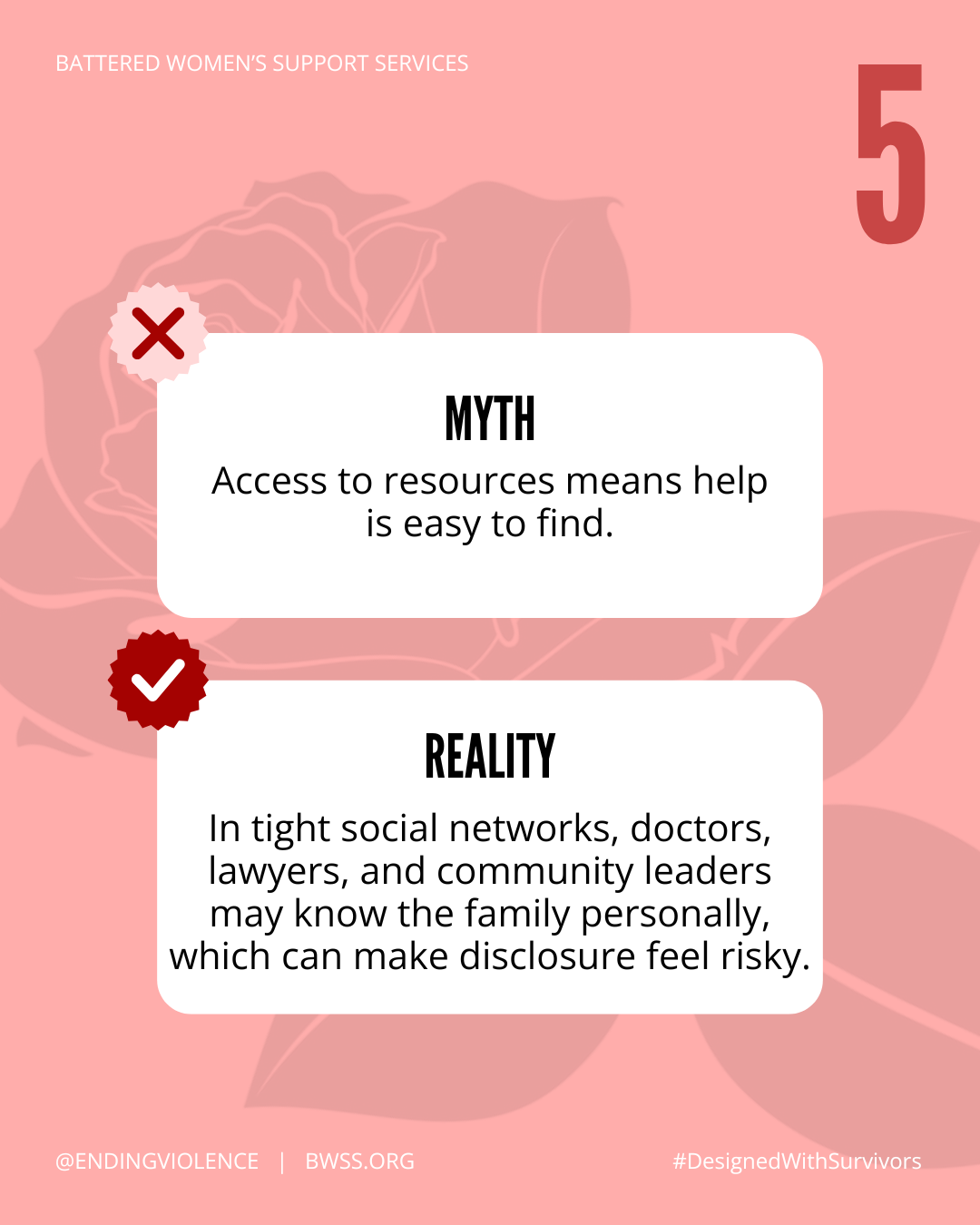
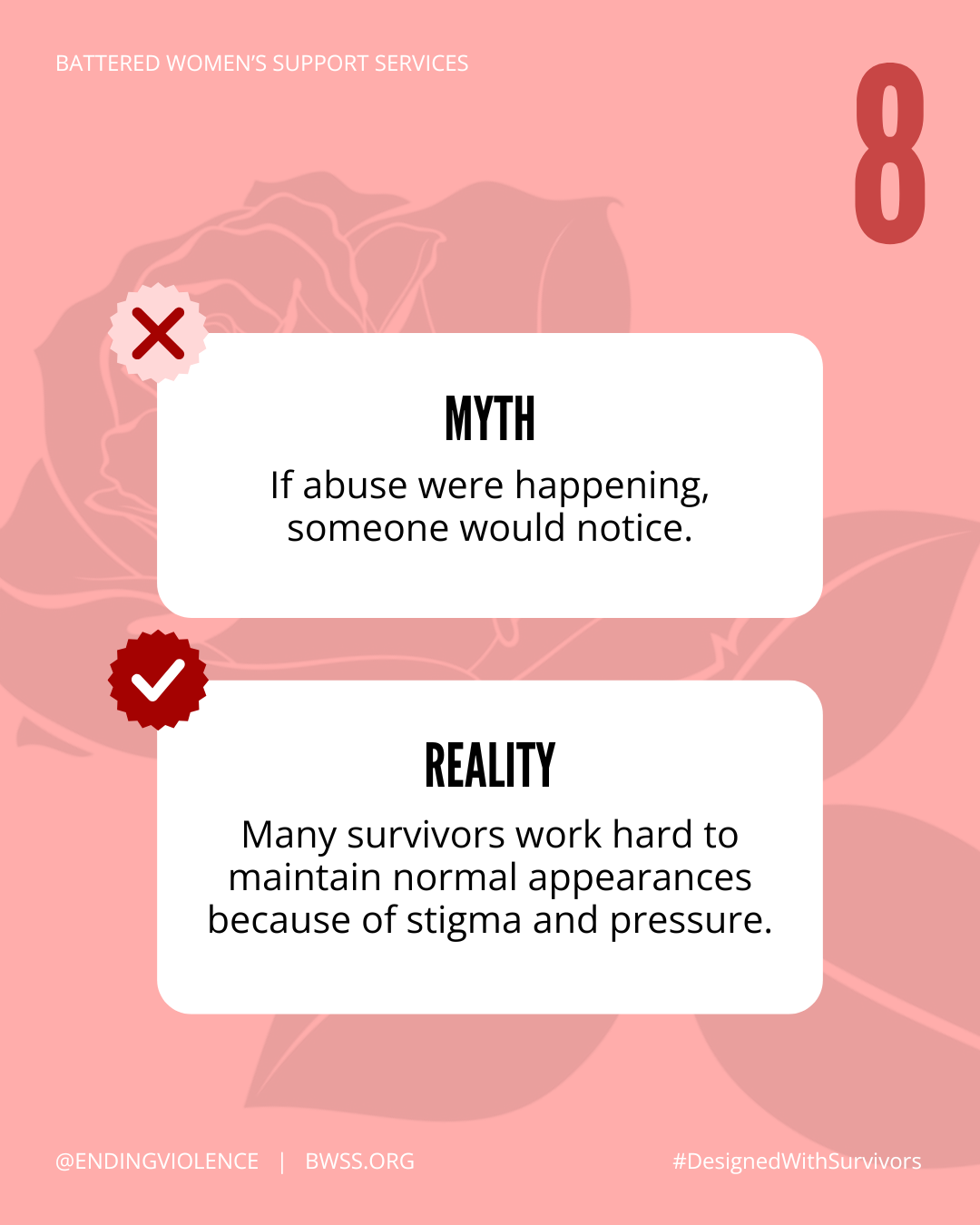
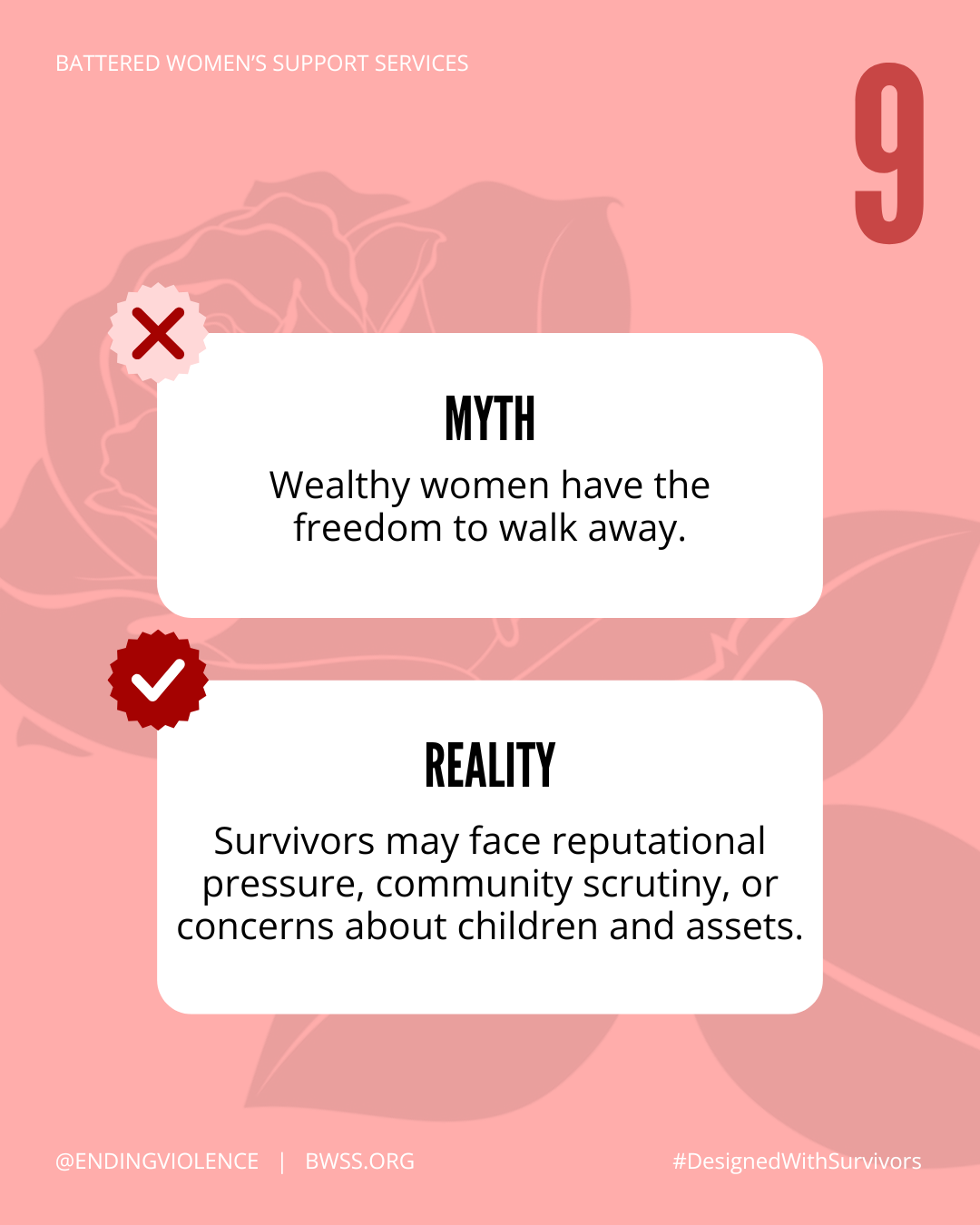
In affluent communities, violence may be less visible not because it is absent, but because social structures work to contain it. Reputation, professional status, and community standing can create powerful incentives to maintain silence. Survivors may fear the consequences of disclosure, damage to family image, loss of social networks, or public scrutiny.
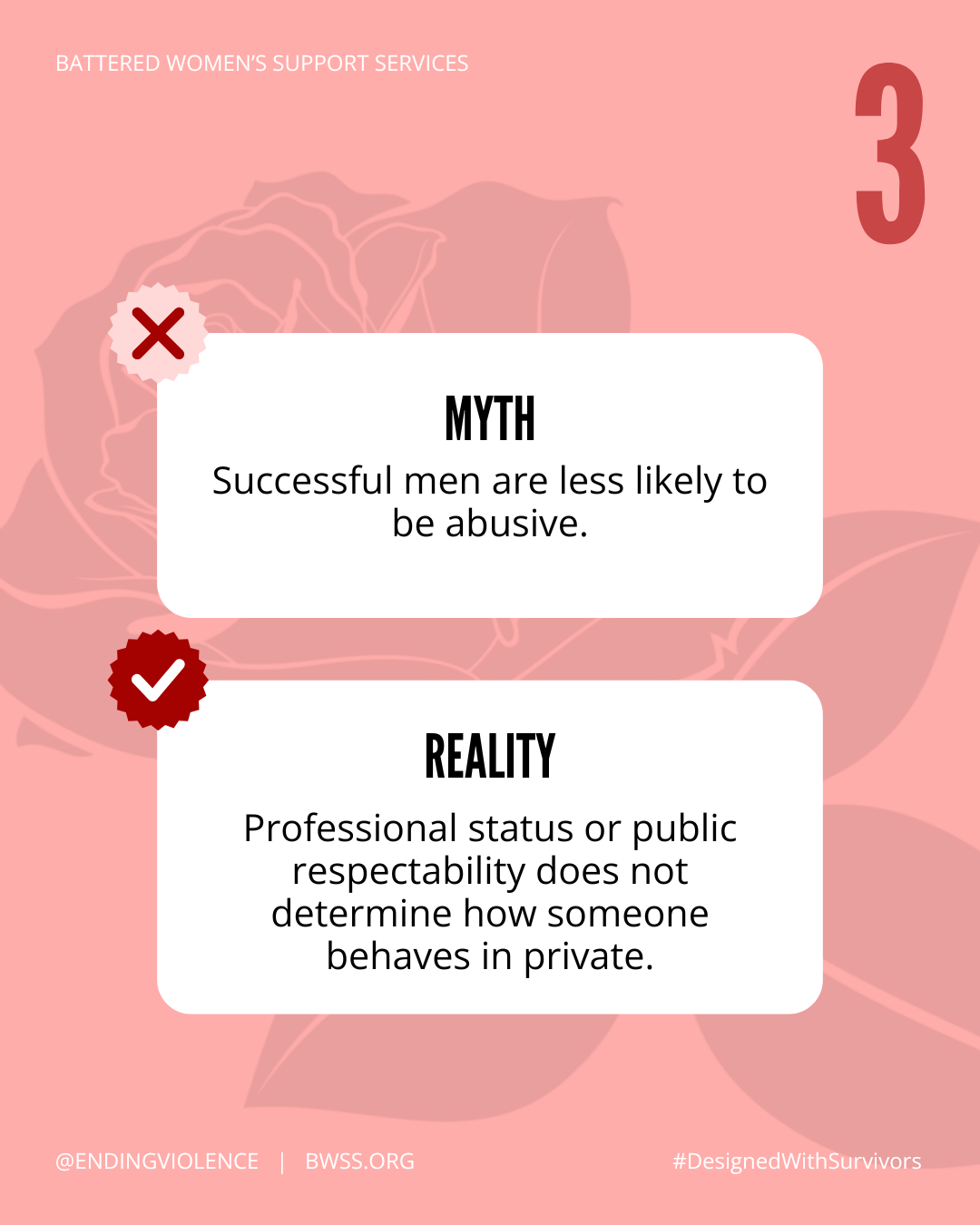
At the same time, abusers in positions of influence often benefit from credibility and institutional trust. Professionals, community leaders, and respected figures may be assumed to be incapable of violence. This assumption can discourage survivors from seeking help and can shape how institutions respond when allegations emerge.
Privilege does not eliminate violence. In some contexts, it can create additional barriers to recognizing and addressing it. Understanding how class operates in these situations is essential to challenging the myths that allow abuse to remain hidden.
A feminist analysis recognizes that violence against women is not simply a private problem. It is shaped by social norms, power structures, and systems that influence whose experiences are believed and whose are dismissed.