Not all “toughening up” is about helping boys grow. Sometimes it is about control.
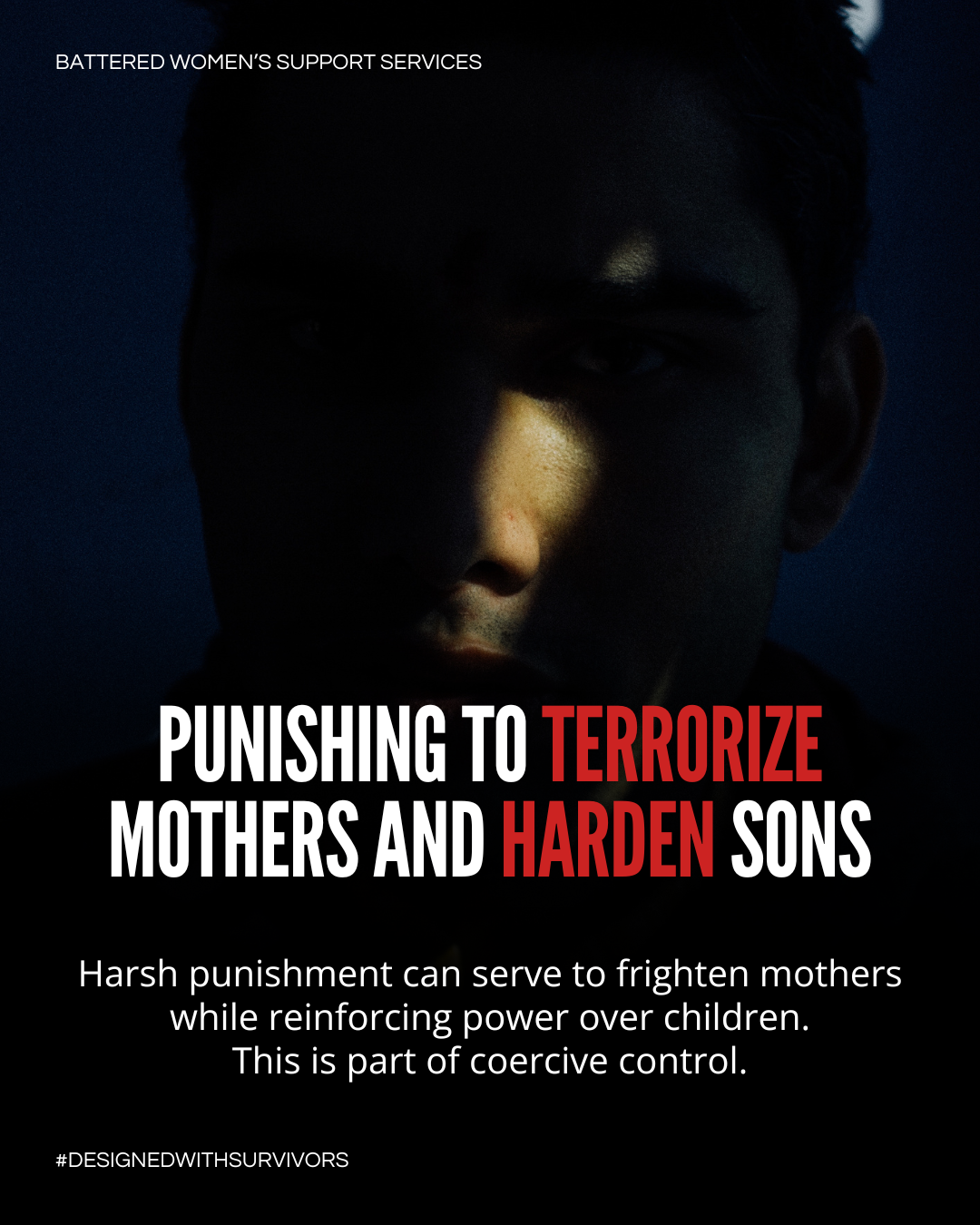
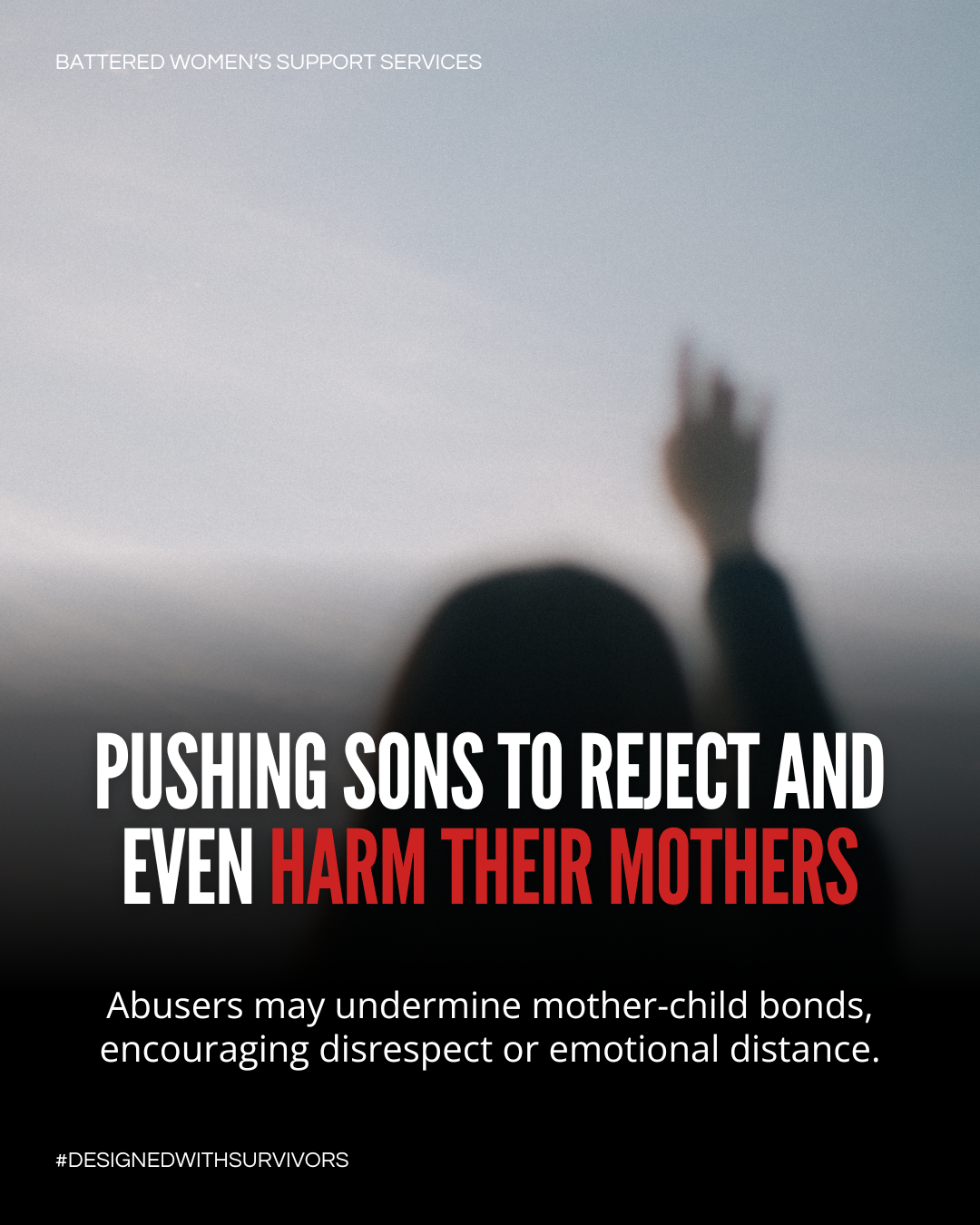
In families where abuse is present, some fathers push boys toward rigid, aggressive ideas of masculinity, shaming vulnerability, discouraging emotional expression, or using fear to shape behaviour. What may be described as discipline or strength can instead be a form of coercive control that affects both children and mothers.
When boys are taught that tenderness is weakness, they may learn to suppress emotions rather than develop resilience. Survivors tell us that intimidation, harsh punishment, and pressure to reject empathy can leave lasting impacts on identity, relationships, and mental health. These behaviours do not build courage, they create silence and isolation.
This post draws on the work of Lisa Aronson Fontes, whose research helps name how abusive dynamics can shape boys’ experiences in ways that are often misunderstood.
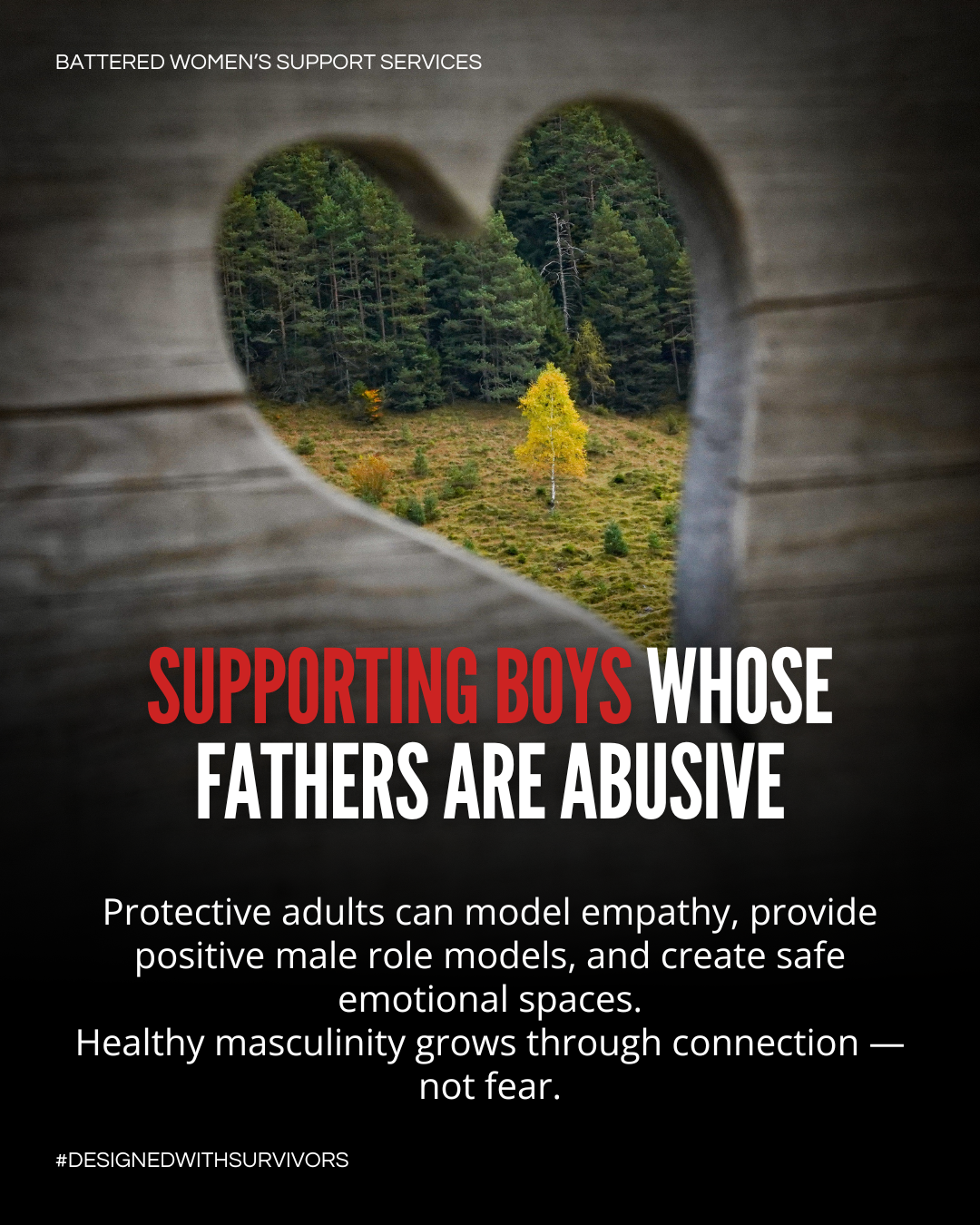
Ending gender-based violence also means supporting boys to grow without fear, shame, or rigid expectations. Healthy masculinity is rooted in connection, accountability, and care, not domination.