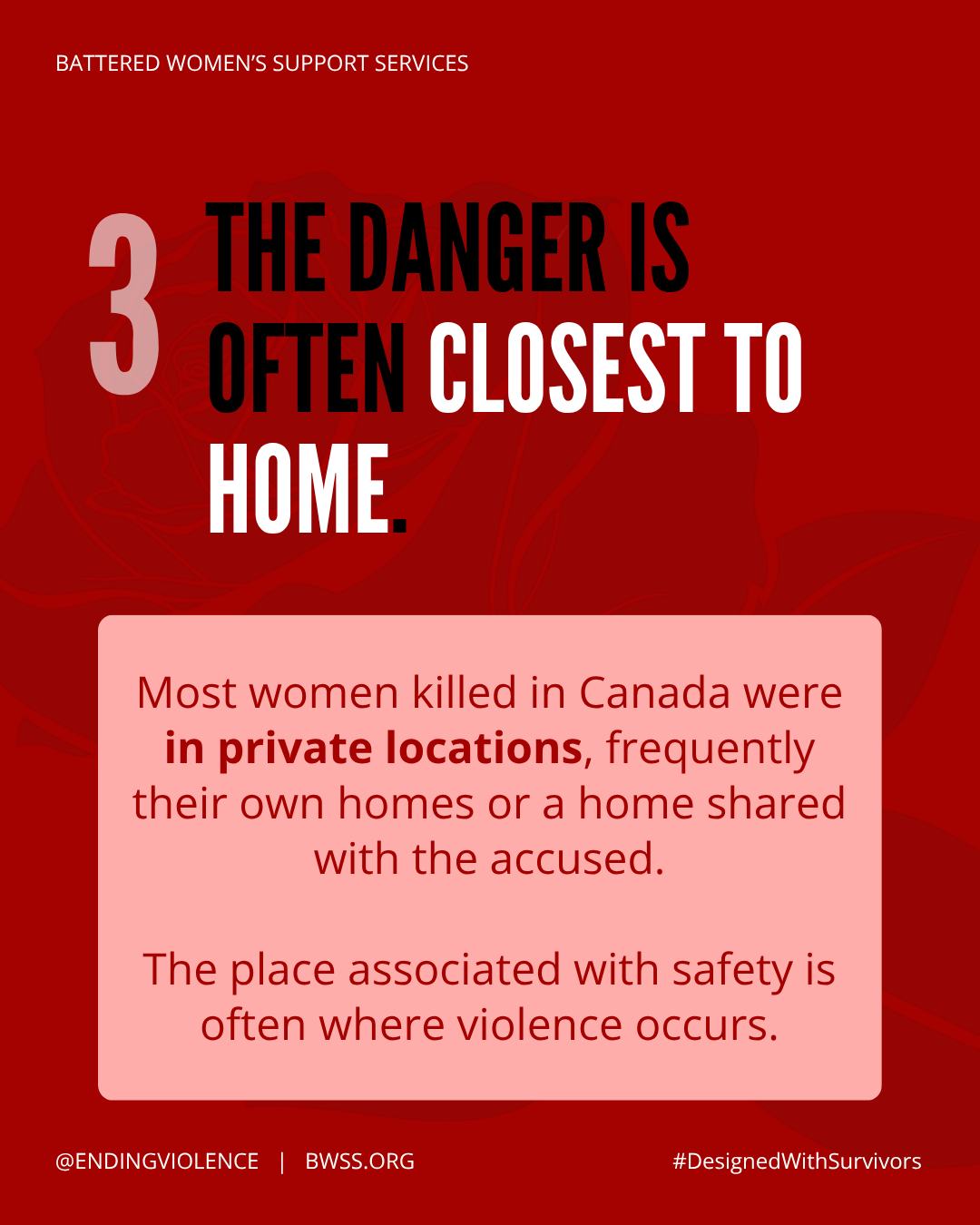
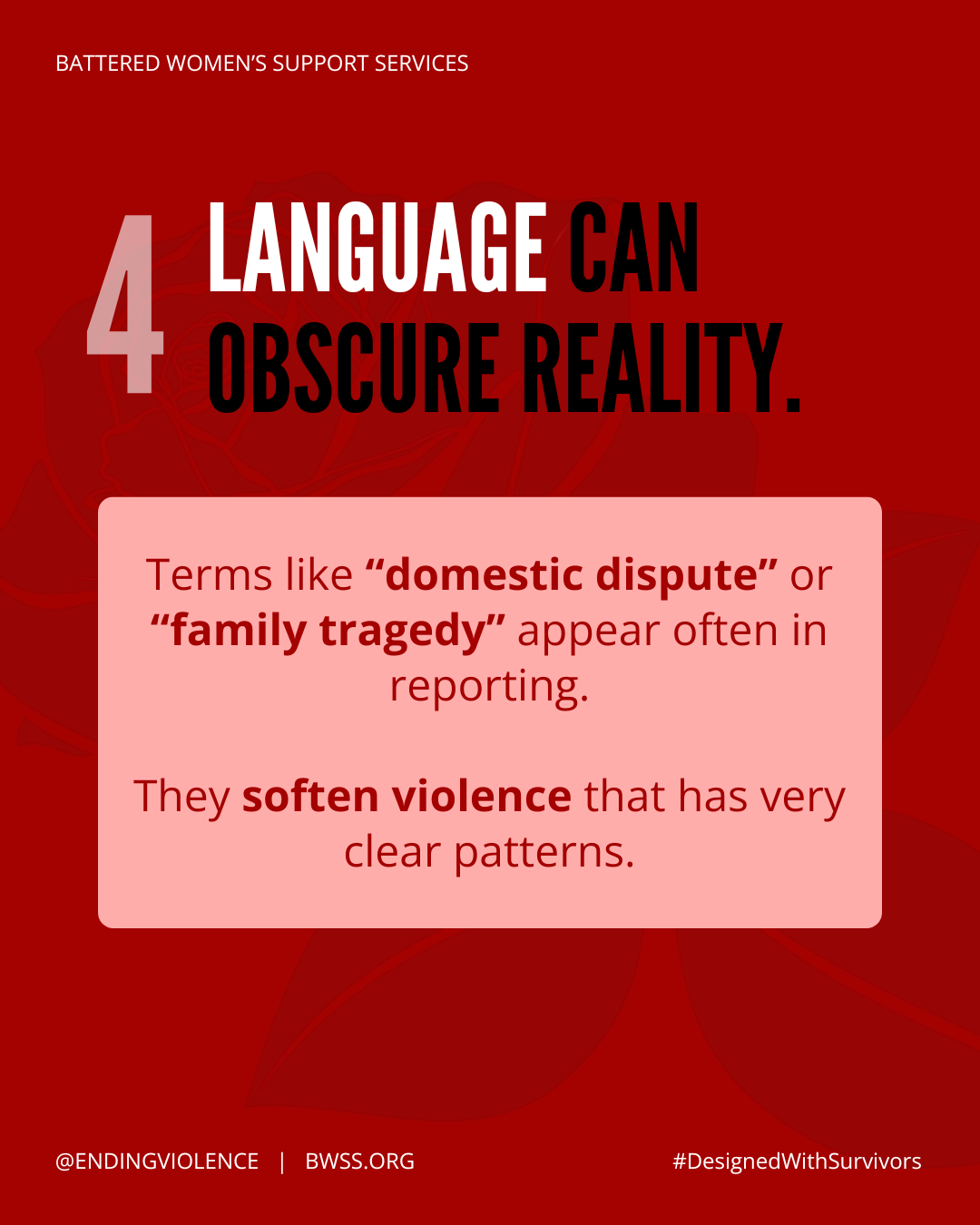
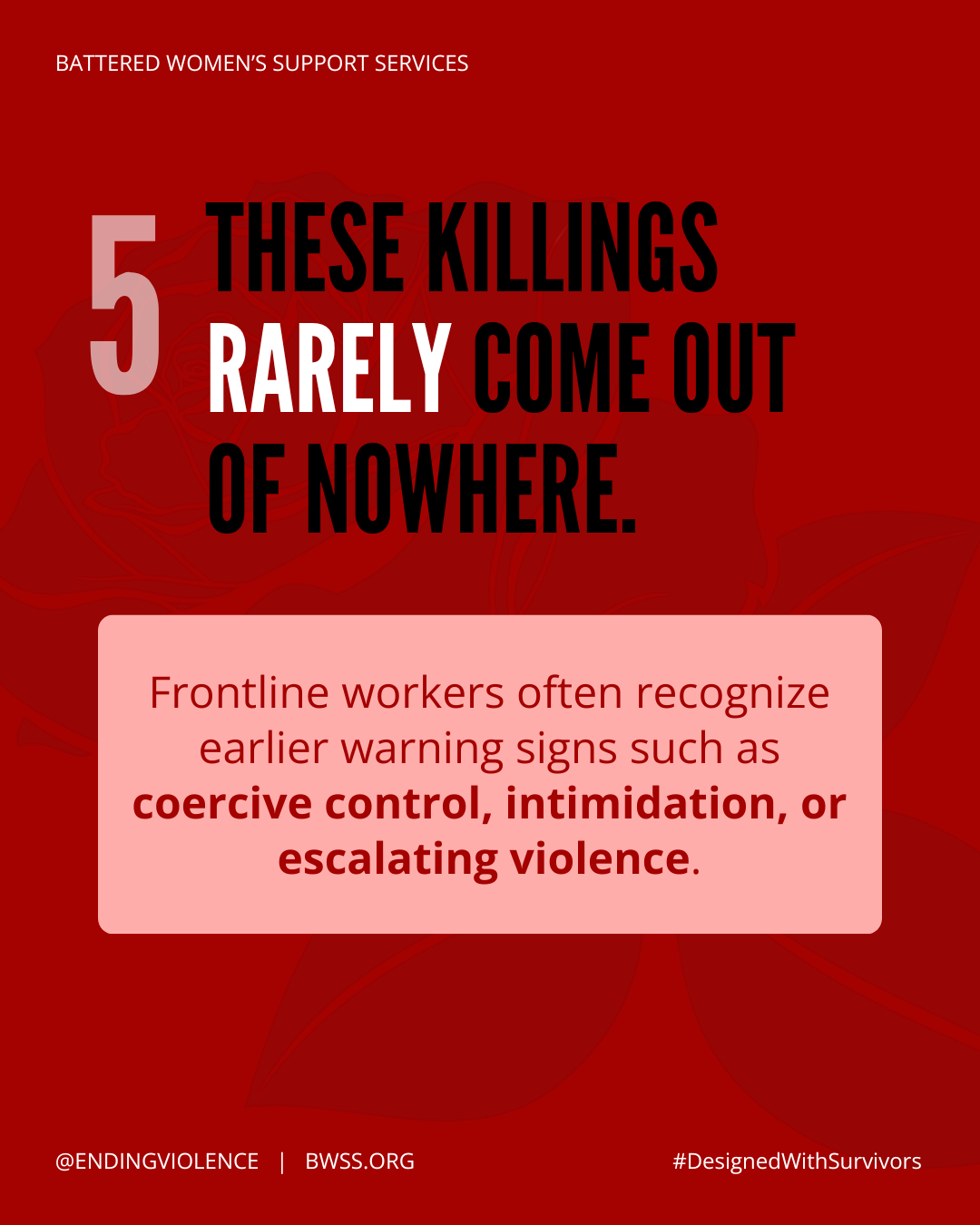
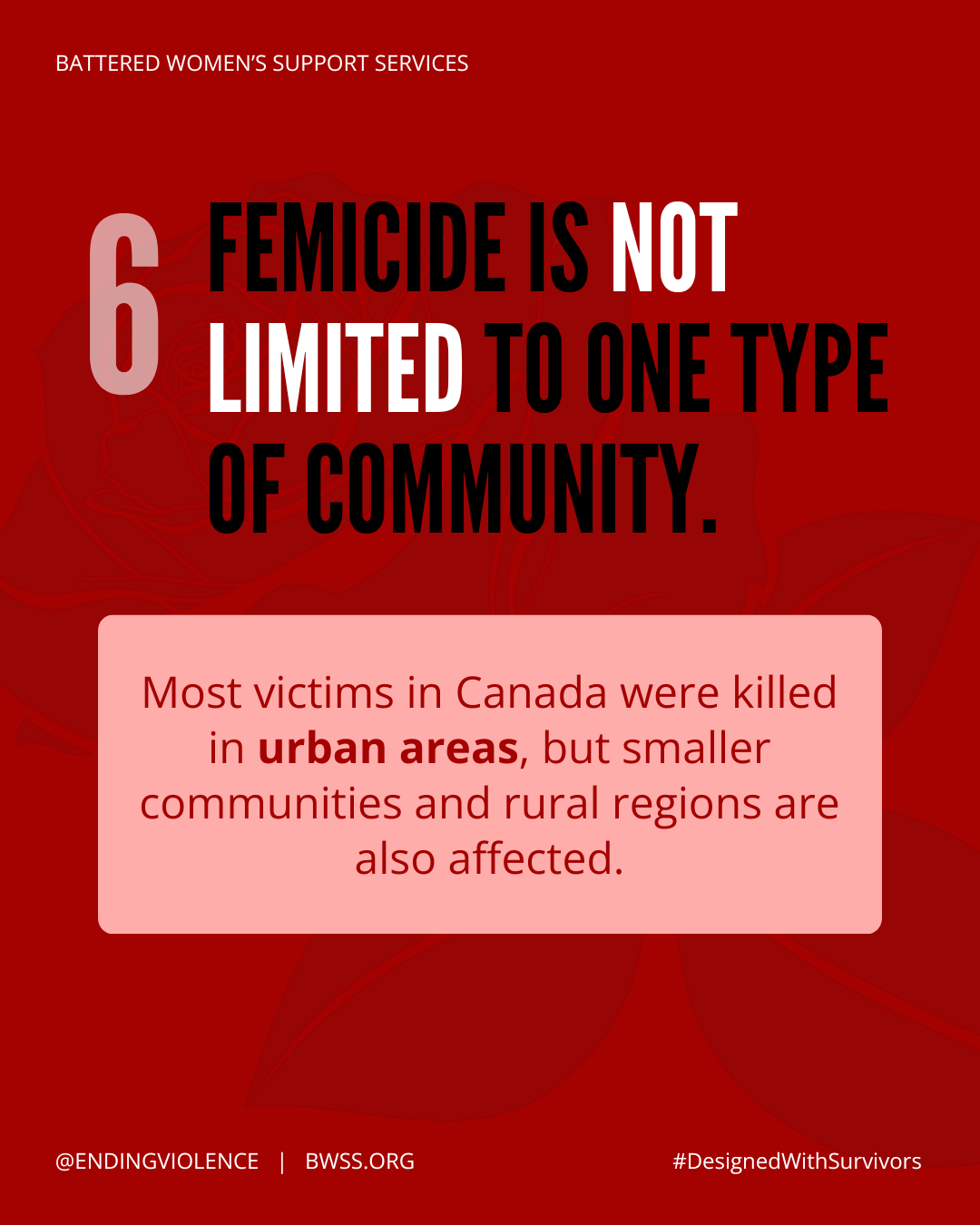
She Did Everything Right and the System Did Not.

A breach was a warning. The system treated it as paperwork.

A woman in Saanich, British Columbia, Laura Gover, had a Family Law Act protection order. She had a detailed safety plan. She took extra precautions in her home, including a doorbell camera and extra locks. Friends described her as exhausted from living in a constant, heightened state of fear. On the day the accused was scheduled to appear in court for breaching that protection order, she was killed.

These facts are not abstract details. They are evidence of compliance with the very actions the system tells women to take when their lives are at risk. Women are told to seek protection orders, to plan for safety, and to rely on the justice system when a partner threatens violence. In this case, she did all those things. Violence still happened.

The video below features a longtime friend speaking about her efforts to stay safe. Her testimony should not be dismissed as emotion. The choices she made were not optional precautions. They were responses to known danger. Fear, in this context, was information, not hyperbole. The system knew risk existed. The system did not act as one.

A Breach Was a Moment for Action

A protection order granted legal constraints on contact. Reports indicate that this order was breached. A breach is not a technical process issue. A breach is a clear signal that danger has escalated. Surgeons respond to bleeding. Engineers respond to structural stress. When someone breaches a protection order, the justice system should respond with urgency.
Police, Crown counsel, and judges are all actors in that response. The way a protection order is enforced or escalated can mean the difference between safety and harm. Multiple detachments may hold information in separate files, as media reporting has suggested in this case. Fragmented information can lead to fragmented responses. Fragmented responses leave survivors exposed.

A response that treats breaches as routine paperwork or discretionary enforcement is not a response at all. A response that fails to integrate risk information across systems allows danger to continue.

Patterns We Have Documented

In 2024, BWSS released Justice or “Just a Piece of Paper?” because we were already seeing the same failure pathway repeat in cases across the province. Women complied with protective measures. Orders were breached. Risk escalated. Enforcement was inconsistent. Decision-makers in the justice system did not act in coordinated, preventive ways. The losses continued.

That report was not a collection of isolated stories. It was a call to acknowledge systemic failure. It named specific interventions that would create a justice response aligned with the lived realities of survivors. The recommendations that follow reflect the patterns we identified and the institutional responses needed to interrupt violence before it becomes fatal.

What Must Change
Mandatory Inquests When Protection Fails

When a woman is killed after seeking or holding a protection order or peace bond, a coroner’s inquest must follow immediately. This process is not intended to blame individuals. It is intended to examine the circumstances that allowed danger to continue. An inquest should determine what happened, why it happened, and how future deaths can be prevented. When protection is granted and still fails, the justice system must examine itself publicly and honestly. With each inquest, patterns become visible. Accountability becomes unavoidable.

Align Protection with Risk Duration

Decades of research and frontline practice show that the first two years following separation are the most dangerous. Protection orders and Section 810 peace bonds frequently expire long before the risk does. Requiring a two-year minimum for these orders aligns legal protection with actual risk. Survivors should not be forced to repeatedly engage with the court system just to maintain continuous protection. Frequent renewals expose survivors to additional stress and potential contact with the person who has harmed them.

Full-Length Orders on Without-Notice Applications

A without-notice protection order is granted because notifying the opposing party can increase danger. When judges issue short, interim orders that require a hearing within days, survivors are returned to court unnecessarily. This procedural requirement creates opportunities for coercion, intimidation, and re-engagement. Full-length orders in the first instance stop that loophole. They give survivors the uninterrupted time and stability they need to build safety, not fear repeated court contact as a condition of staying protected.

Centre Child Safety

The Family Law Act recognizes that exposure to intimate partner violence is itself a serious risk to children. In practice, however, courts still too often default to maximizing shared parenting time even when violence is present. Safety for children should always take precedence. When children are exposed to violence, the consequences are lifelong. Courts must require comprehensive risk assessments and ensure protection orders explicitly safeguard children from exposure to harm.

Universal, Cross-Jurisdictional Police Response to Breaches

Inconsistent police responses to breaches of protection orders and peace bonds are a persistent problem. A breach in one jurisdiction can be deprioritized, while in another it triggers immediate action. Survivors should receive equal protection regardless of where a breach occurs. Police forces across regions must adopt universal standards that include mandatory arrest for breaches, integrated databases that allow officers to see the full history of risk, and training that reflects the dynamics of intimate partner violence. Consistent enforcement sends a clear message that breaches will be taken seriously and that legal protections mean something.

Why This Matters Now

These recommendations were not abstract ideas. They were grounded in patterns already visible before this death. Inaction on these recommendations is not neutral. It means the same failure pathways will continue to produce the same outcomes.

This is not a personal tragedy. It is a systemic one. When a protection order is breached and the justice system does not respond as a unified, risk-informed mechanism, the protections become paperwork. That is not prevention. That is abandonment packaged as process.

Women should not have to manage danger alone while systems debate process. Women should not be told to do “everything right” and still be killed. The responsibility for preventing violence cannot be shifted onto those at risk. Justice must act when danger is known. Lives depend on it.

A woman in Saanich, BC is dead.

IMAGE VIA GOFUNDME

A woman in Saanich, BC is dead.

Public reporting shows the accused had previously breached a court order involving an intimate partner. That is not a neutral detail. It is a known risk indicator.

Two years ago, BWSS released Justice or “Just a Piece of Paper?” because we were seeing the same warning signs over and over: court orders issued without enforcement, breaches treated as administrative failures rather than signals of escalating danger, and systems that respond after violence instead of preventing it.

We wrote that report because breaches of court orders are not paperwork problems instead they are moments where the system has clear notice that someone may be in lethal danger. When those moments do not trigger immediate, coordinated risk response by the system, women are left exposed.

Criminal and family law systems issue protection orders independently, without a shared risk framework or coordinated enforcement. When breaches fall between those systems, accountability disappears and women are left exposed to escalating, often lethal, violence.

We do not need all the details of this case to name what is already clear, that a breach occurred that the criminal system knew that the response was insufficient and now woman is now dead.

This is why femicide prevention cannot rely on court orders alone…intimate partner violence requires enforcement, mandatory risk assessment when orders are breached, and real system accountability before harm becomes fatal, not after.

When Silence Follows Women’s Deaths: Why We Are Naming Possible Femicides in BC

Public Statement | January 11, 2026

When Silence Follows Women’s Deaths: Why We Are Naming Possible Femicides in BC

When Silence Follows Women’s Deaths: Why We Are Naming Possible Femicides in BC


In the first week of 2026, two women have died in separate incidents in British Columbia. Based on publicly available information, both deaths show indicators consistent with femicide and must be understood within the broader context of gender-based violence and intimate partner violence in this province.

In Delta, two people were found dead in a private residence following a welfare check. Police have released no information about the relationship between the deceased, the cause of death, or the circumstances, beyond describing the incident as “isolated” and stating there is no public safety risk. When deaths occur in private homes and are treated as closed to public understanding, particularly where murder-suicide is a known pattern of femicide involving older women, silence itself becomes part of the problem.

In Saanich, a person has been charged with murder following a suspicious death in a home. Public court records show the accused was already before the courts in an intimate partner violence (K-file) matter for disobeying a court order, with a scheduled appearance on the same day the killing occurred. Police have acknowledged that “measures were taken” to manage risk while the accused was in the community, yet have provided no information about the victim, the relationship, or the nature of the risk that was known. The case is now formally designated as intimate partner violence.

In cases of lethal violence where risk was already known to police and the justice system, public communications often shift quickly to praising investigative process and inter-agency coordination, while withholding basic information about the victim, the relationship, and the nature of the risk that existed before the death. This kind of messaging narrows public understanding and deflects attention away from unanswered questions about why enforcement failed, how risk was assessed, and whether intervention opportunities were missed. In intimate partner violence cases, this pattern actively undermines prevention by treating lethal outcomes as procedural successes rather than system failures.

These two cases differ in circumstance, but they share troubling features: violence occurring in private spaces, prior system involvement, acknowledged risk, and a public narrative that withholds critical information while offering reassurance. This pattern makes it difficult for the public to recognize femicide, understand how risk escalates, or hold systems accountable for prevention.

Consistent with the approach of the Canadian Femicide Observatory for Justice and Accountability, BWSS names femicide based on indicators and public records, not final legal determinations. Waiting for perfect information has too often meant waiting until patterns are no longer preventable.

We recognize that investigations are ongoing and that details may evolve. Naming these deaths as possible femicides is not about assigning legal guilt. It is about refusing to allow women’s deaths to be rendered invisible through silence, minimization, system narrative control, or the language of isolation.

Preventing femicide requires more than investigation after the fact. It requires transparency when risk is known, enforcement when court orders are breached, and public systems that respond to violence before it becomes lethal.
We are not asserting motive or legal findings rather we are identifying risk indicators and systemic failures

As we begin 2026, we will continue to track, name, and speak about femicide in British Columbia because safety is not a private matter, and women’s lives depend on systems that act before it is too late.

How 2026 Began: Two Deaths and a Familiar Pattern

How 2026 Began: Two Deaths and a Familiar Pattern

For more information: Neighbours shocked over deaths of elderly couple inside Delta, B.C., home

Man charged with murder after ‘suspicious death’ at Vancouver Island home

For safety during the holidays, we need to talk about “walking on eggshells.”

For safety during the holidays, we need to talk about “walking on eggshells.”

“Walking on eggshells” is a phrase many survivors accessing BWSS use to describe their daily reality — constantly monitoring tone, behaviour, and mood to avoid conflict, punishment, or harm.

Emotional abuse is often covert and normalized, making it one of the hardest forms of intimate partner violence to name. But there are clear patterns that signal danger.

Signs of walking on eggshells include:

🚩 A partner who becomes angry at the slightest provocation
🚩 Outbursts or complaints that are blown out of proportion
🚩 Verbal attacks, intimidation, or assaults becoming routine
🚩 One partner living in a constant state of vigilance
🚩 Friends and family noticing unpredictable or volatile moods
🚩 Fights or physical blow-ups becoming “normal” in the relationship
🚩 Abusive behaviour rarely followed by accountability or apology
🚩 Refusal to take responsibility for the harm caused

Causing someone to live on constant alert is not a relationship issue, it is a form of abuse. Over time, it can trap someone in an ongoing cycle of fear, control, and harm.

If you or someone you love is experiencing intimate partner or domestic violence, confidential support is available.

📞 BWSS Crisis Line: 1-855-687-1868
Trained advocates are available to help you think through safety, options, and next steps, especially during the holidays.

You deserve safety. You deserve peace.

“Crime Is Down” But Women Are Being Killed Pamela Jarvis’s Death Exposes a Failure in BC’s Public Safety Framework

The following statement was issued by Battered Women’s Support Services on December 19, 2025 in response to the killing of Pamela Jarvis and ongoing delays in implementing femicide prevention measures in British Columbia.

Another woman has been killed in British Columbia while governments continue to promote a public safety narrative that claims progress.

Pamela Jarvis, 45, was killed in Merritt. Her husband has been charged with second-degree murder. This killing occurred after months of warnings, letters, meetings, task forces, and assurances that action on femicide prevention was underway. It did not happen in the absence of policy discussion rather it happened during it.

Since August 2024, 40 women have been killed in British Columbia. Statistics Canada reports a 53% increase in women killed by intimate partners. These deaths are most often predictable, they follow a pattern and overwhelmingly perpetrated by men known to the victim.

Yet as women continue to be killed, the Province is advancing a year-end public safety narrative focused on declining crime rates, reduced police interactions, falling charge approvals, and repeat-offender initiatives.

What these measures simply do not capture is the violence that kills women.

Femicide and intimate partner violence largely occur outside the metrics currently being used to claim public safety success. This form of violence happens in homes and relationships, often following documented patterns of escalating risk. A reduction in police interactions is not the same as a reduction in danger. When women are being killed at increasing rates, claims that “crime is down” ring hollow.

“This is not a contradiction, it is a choice to frame this form of violence in this way,” said Angela Marie MacDougall, Executive Director of Battered Women’s Support Services. “Women are being killed while governments point to indicators that do not measure their safety.”

Since May 2025, BWSS and a coalition of more than 100 organizations have been pressing all levels of government to implement five concrete, evidence-based actions to prevent femicide. Over that period, there have been repeated meetings, reference groups, correspondence, and public commitments. What has not happened is implementation.

While some progress has been signaled on risk assessment, four of the five prevention actions remain unimplemented and without them, identifying risk does not translate into protection.

Importantly, bail reform and repeat offender schemes likely would not have prevented many of the killings that occurred during this period. These approaches do not address coercive control, escalating intimate partner violence, or known risk factors already flagged in confidential police tools. Unfortunately, they respond after harm occurs and not before.

“What we are witnessing is a failure of governance,” said MacDougall. “Municipalities pass motions without timelines. The Province convenes working groups without mandates. The federal government signals movement that remains incomplete and meanwhile, women continue to die.”

As British Columbia approaches the end of another year, the same femicide prevention measures remain stalled in discussion and the passage of time does not reduce risk it increases it.

BWSS is calling on journalists to direct questions to elected officials:
• Who is accountable for implementing the five femicide prevention actions?
• What are the timelines for implementation?
• Why are women still being killed while these measures remain unimplemented?

Pamela Jarvis’s death is not an anomaly. It is part of a known and growing pattern of femicide in British Columbia. As the province enters another holiday period, the same prevention measures that have been discussed for months remain unimplemented. The passage of time does not reduce risk, it increases it.

Every day spent in process rather than action leaves women and girls at known risk, and another year is closing with the same failures intact.

Risk Assessment Identifies Danger. Safety Planning Navigates It.

Last week, Canadian Press reported that police had identified intimate partner violence risk factors using a confidential tool and a woman was still killed.

This detail matters. It tells us something deeply uncomfortable but critically important: this was not a case where the danger was invisible. The risk existed, it was identifiable, and it was known. What failed was not awareness, but obligation.

Across British Columbia and Canada, femicide is often framed as unpredictable tragedy. But the reality is far more devastating and far more actionable. Most killings of women by partners or ex-partners are preceded by clear warning signs: escalation, coercive control, threats, stalking, breaches of court orders. Survivors know when their danger is increasing. The problem is that systems are not required to act when that danger is identified.

This is where the distinction between risk assessment and safety planning becomes urgent.

Risk assessment is a structured, evidence-based process designed to identify the likelihood of serious harm or lethality. It looks at patterns of behaviour and escalation, not isolated incidents. Its purpose is not documentation for its own sake. It is meant to trigger system responses: enforcement, court conditions, monitoring, information sharing, and coordinated intervention.

Safety planning is something else entirely. Safety planning is survivor-centred. It supports people in navigating unsafe realities when leaving is not possible, when systems are slow, or when protection is incomplete. It is adaptive, practical, and often quiet. It helps survivors survive danger. It does not reduce the danger itself.

When institutions collapse these two processes, responsibility quietly shifts. Survivors are expected to manage risk that only systems have the power to reduce. “Do you have a safety plan?” becomes a substitute for protection. This is not prevention. It is abandonment framed as support.

The Canadian Press reporting (hyperlink) exposes a deeper structural problem: discretion. When risk assessment is optional, accountability is optional too. Once risk is formally identified, institutions inherit responsibility, legal, moral, and operational. That responsibility requires resources, coordination, and scrutiny. When systems are allowed to choose whether or not to assess risk, they are incentivized to avoid it.

This is what BWSS has described as the “hot potato” problem. No one wants to hold documented high risk if they are not required to act on it. So, risk remains confidential, siloed, or under-used. Survivors pay the price.

Confidential risk tools do not prevent femicide actually accountability does.

Mandatory, standardized risk assessment changes the architecture of response. It removes individual discretion and replaces it with system obligation. It ensures that risk follows the case across policing, Crown counsel, criminal courts, family courts, and child protection. It makes danger visible not just at the frontline, but at institutional and government levels, where resourcing and oversight decisions are made.

Safety planning still matters. Survivors deserve support that respects their choices, constraints, and expertise in their own lives. But safety planning cannot be asked to carry the weight of prevention. That responsibility belongs to institutions with the authority to intervene.

This is why BWSS has consistently called for mandatory risk assessment across all systems responding to gender-based violence. And this is why the Attorney General’s recent move to prioritize standardized risk assessment matters. It signals recognition that prevention requires infrastructure, not just awareness.

The Canadian Press case is not an outlier, it is actually a warning that risk was identified and action was not guaranteed, in that gap is where women die.

BWSS’s report, Mandatory Risk Assessments: A Public Safety Imperative for Survivors of Gender-Based Violence will be released in early 2026 and it is an urgent intervention in this moment. Additionally, early next year, we will release a framework that sets out clear implementation pathways and accountability mechanisms because knowing the risk is not enough.

Make no mistake about it, risk assessment identifies danger, safety planning navigates it and only systems can reduce risk, victims can only survive it.