Afghanistan’s New Taliban Penal Code and Gender Apartheid, What It Reveals About Public Safety in Canada

Women_in_burqa_with_their_children_in_Herat Afghanistan

Image by Marius Arnesen

Over the past week, a stark message has moved across feminist networks:

“The Taliban has legalized domestic violence as long as bones are not broken.”

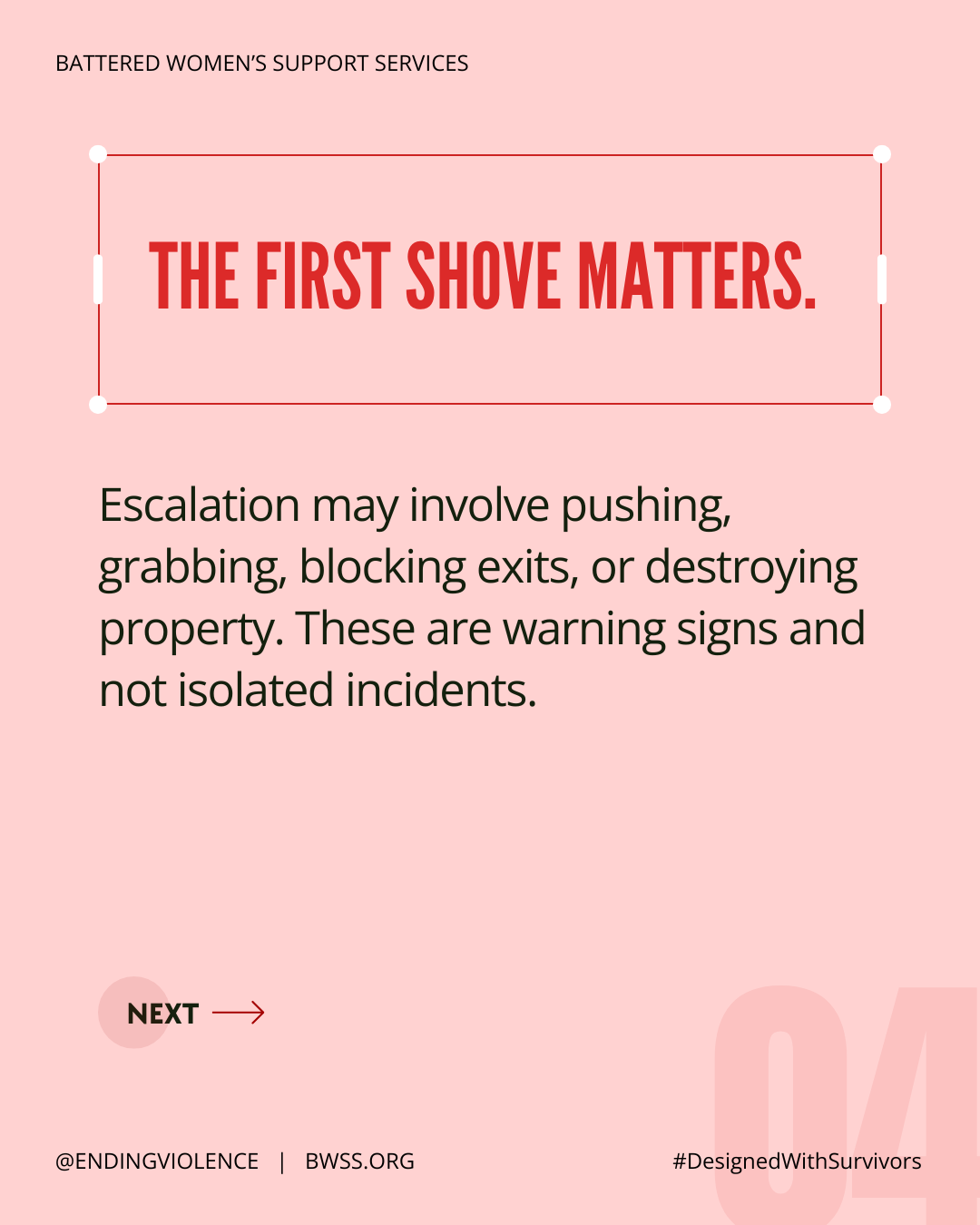
Under Afghanistan’s new penal code, a husband can physically abuse his wife or children as long as there are no broken bones or open wounds. Even when serious injuries occur, the penalty may be as little as fifteen days in prison. Women who report abuse must prove it in court, appear fully covered, and often must attend with a male guardian, even when the abuser is their husband . A married woman who visits her birth family without permission can face jail time herself.

These details are difficult to read and if we stop at shock, we risk misunderstanding what is really happening.

This is not only a legal story about domestic violence because it is also about a spectrum of gender governance that extends from explicit legal control to quieter policy and ideological shifts that shape who is safe, who belongs, and who holds power. What is happening in Afghanistan reveals how power organizes itself through gender and why social and public safety is always political.

The Home as a Site of Governance

The Taliban’s penal code does more than permit harm because it further restructures the relationship between the state, the family, and authority with women and girls as a central place for the expression of all three.

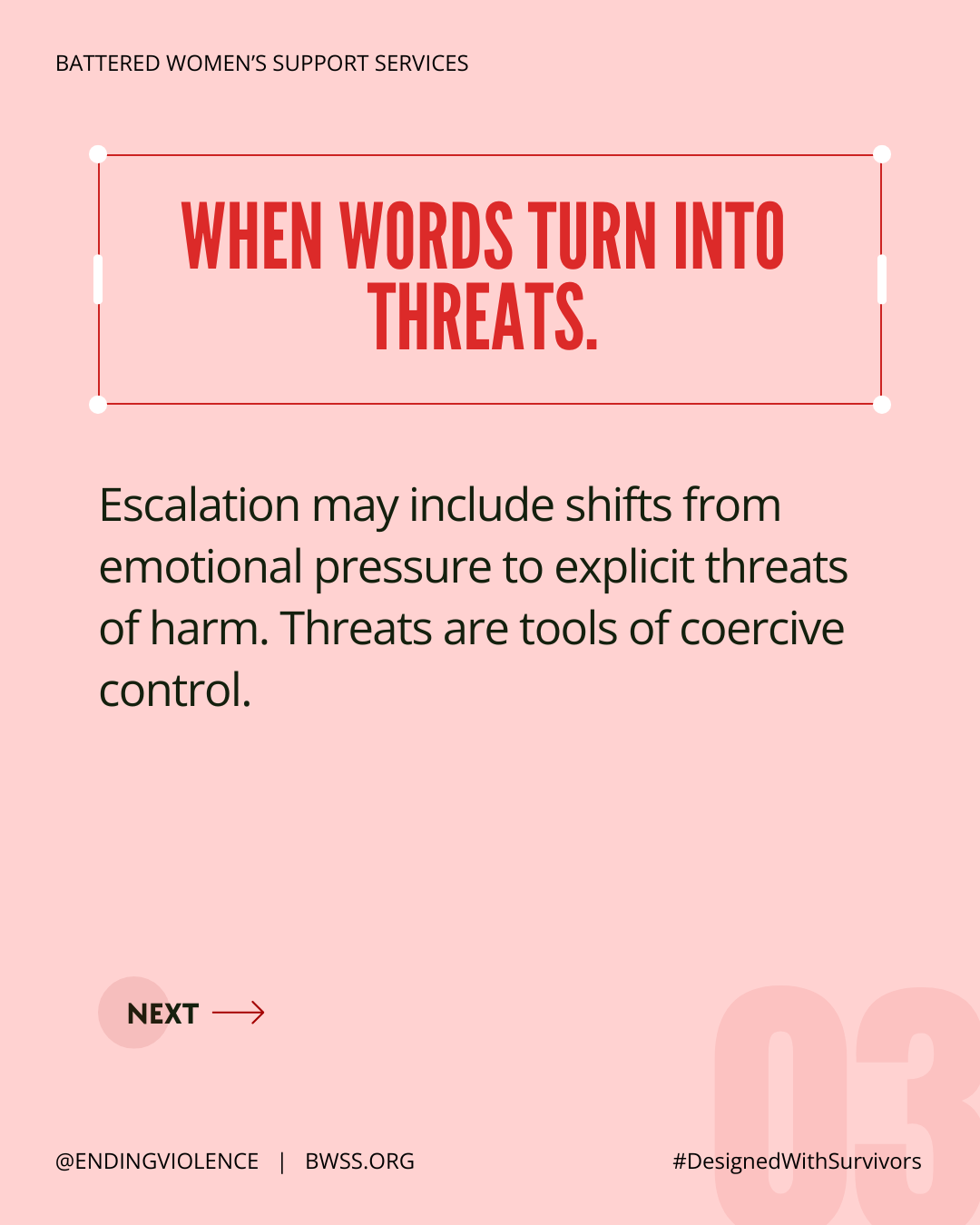
When a husband is legally empowered to physically “discipline” his wife or children, violence is reframed as governance. The home becomes an extension of state power, where obedience is enforced through hierarchy rather than protection. In this framework, violence shifts from being treated as a crime to being treated as a mechanism of obedience under a patriarchal, hierarchal framework.

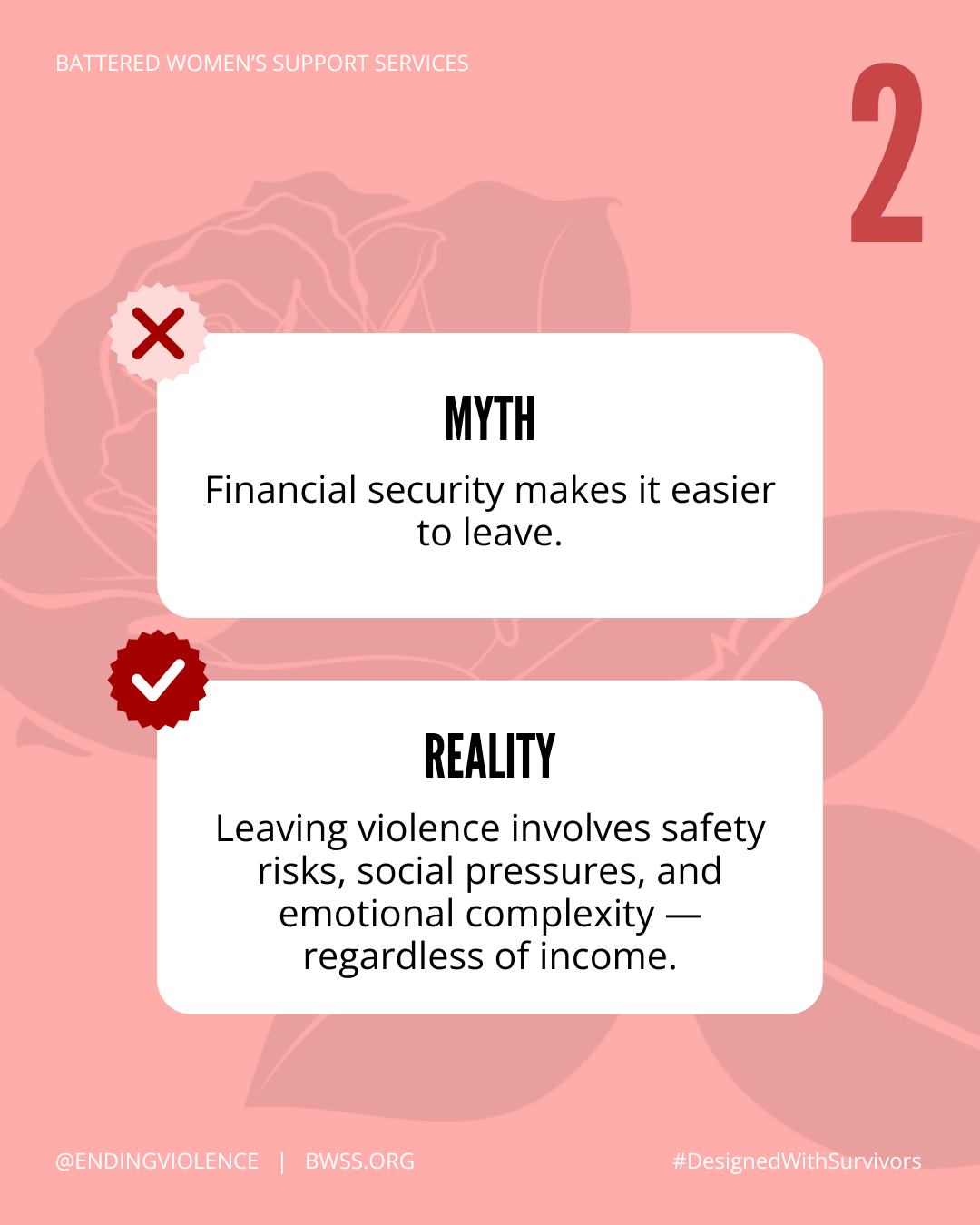
What may be even more sinister and striking is what happens when a woman seeks refuge. For instance, the new law criminalizes visiting her parents without the husband’s permission. The act of leaving, which is already recognized as often the most dangerous moment in a victim-survivor’s life, is transformed into a legal offence. This is not accidental or random. It is a deliberate use of governance to restrict or reduce movement, virtually eliminating opportunities for safe refuge, and removing the possibility of leaving a husband or family. While the mechanisms differ, the logic is not entirely foreign.

In Afghanistan, leaving is punished through law. Elsewhere, including in Canada, victims-survivors may encounter barriers shaped by housing insecurity, legal thresholds that fail to recognize coercive control, or economic dependence that makes departure dangerous or nearly impossible. In both settings, exits are constrained. The difference lies in how governance structures produce and manage that constraint. Many feminist analysts now describe this as gender apartheid: a coordinated system that reorganizes social authority through legal design, institutional practice, and enforced dependency.

@sahrrraaaa

I’m heartbroken by what is going on in Afghanistan 💔 #afghan #freeafghanwoman #persiantiktok #afghantiktok #farsi

♬ original sound - Sahrraaaa
A Difficult Truth: This Is Not Foreign to Legal History

For Canadians, it can be tempting to view this Taliban edict as something entirely separate from our own legal traditions. But historically, Canadian law, rooted in British common law, also treated married women as the legal property of their husbands.

Under the doctrine of coverture, a woman’s legal existence was effectively suspended upon marriage. She could not own property independently, sign contracts, or pursue legal action without her husband. Property she brought into marriage or earned during it was considered legally his.

Reforms began in the late nineteenth century, including provincial Married Women’s Property Acts, passed in Ontario in 1884, Manitoba in 1900, and much later in Quebec where married women did not gain full legal and property rights until 1964. Even then, the shift toward full legal personhood was gradual, shaped by court interpretations that often-framed women as dependents needing protection rather than autonomous individuals.

Milestones such as Canadian federal suffrage in 1918 and the recognition of some women as legal “persons” in 1929 marked significant change, but they did not instantly dismantle the structures that positioned women within male authority, nor did they extend equally to all women. These were governance choices that determined who would be recognized as a full political subject and who would remain regulated by colonial, racialized, and patriarchal law.

First Nations, Inuit, and Métis women continued to be governed under the Indian Act, which restricted status and political participation; Black women and other racialized women faced structural barriers rooted in exclusionary immigration and voting policies; Chinese, Japanese, and South Asian women were denied federal voting rights until the mid-twentieth century; and even within settler society, married women, particularly in Quebec, faced legal incapacity well into the 1960s. These were governance choices that determined whose autonomy would be recognized and whose movement would remain regulated.

This historical context is relevant not necessarily because Canada is comparable to Afghanistan today. There is no direct comparison. However, the trouble for women in Afghanistan reminds us that gender hierarchy has existed within Western legal systems. The rights women hold today were won through struggle and must be defended whenever political forces attempt to narrow autonomy or safety.

Beyond One Law: An Ecosystem of Control

The Taliban’s penal code exists within a broader system of restrictions affecting education, employment, mobility, healthcare, and speech. Each rule may appear administrative on its own. Together, they create an ecosystem where independence becomes nearly impossible. Legal procedure becomes a tool of control from requirements to appear with a male guardian to evidentiary thresholds that render coercive control invisible, as documented by Rawadari and reported by JURIST:

• Physical abuse is effectively permitted unless it results in broken bones or open wounds, and even when severe visible injuries occur, penalties may be limited to short periods of detention, reframing domestic violence as discipline rather than crime.
• Victims and survivors carry the burden of proof, required to present injuries before a judge, remain fully covered, and often appear alongside a husband or male guardian even when the guardian is the alleged abuser.
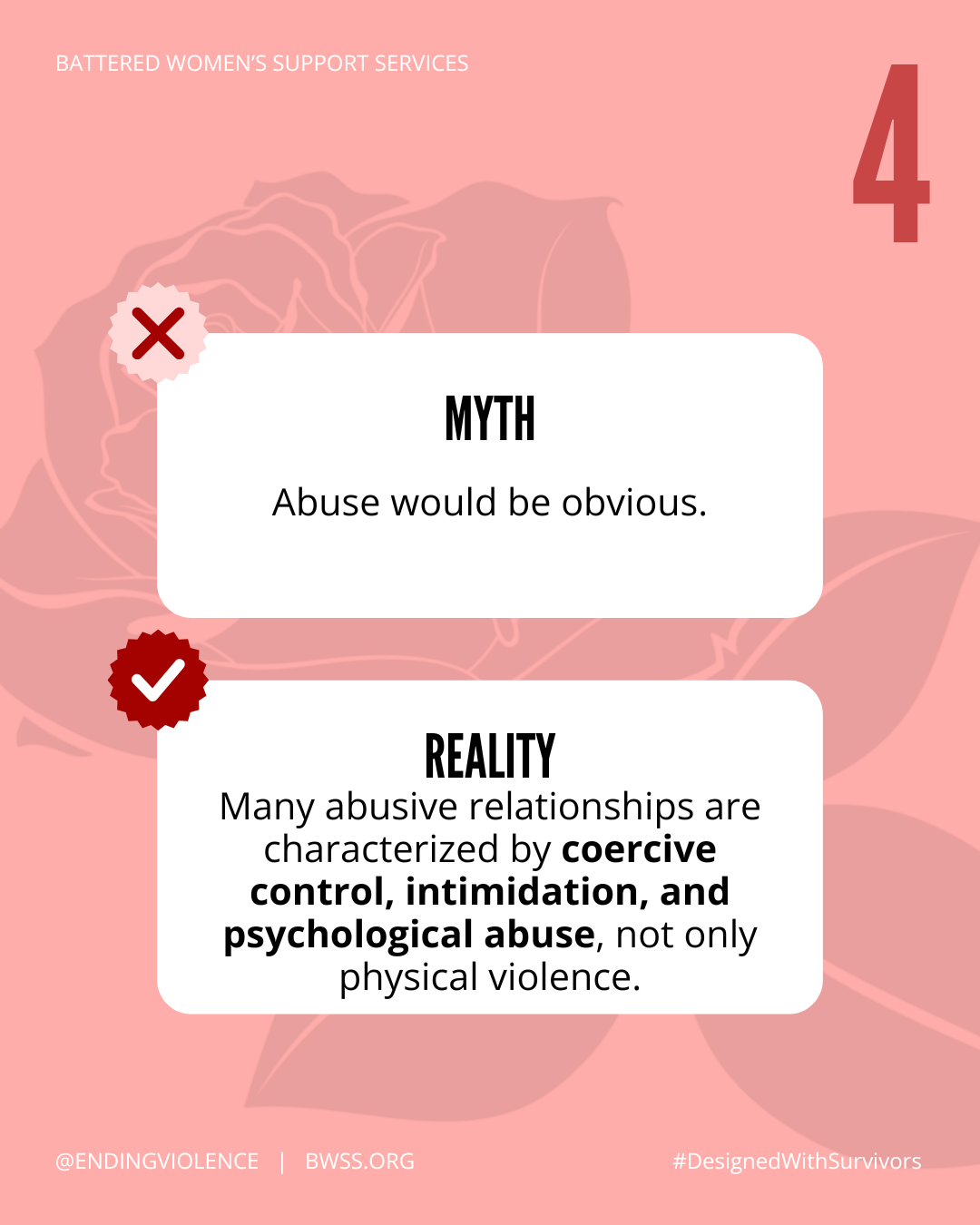
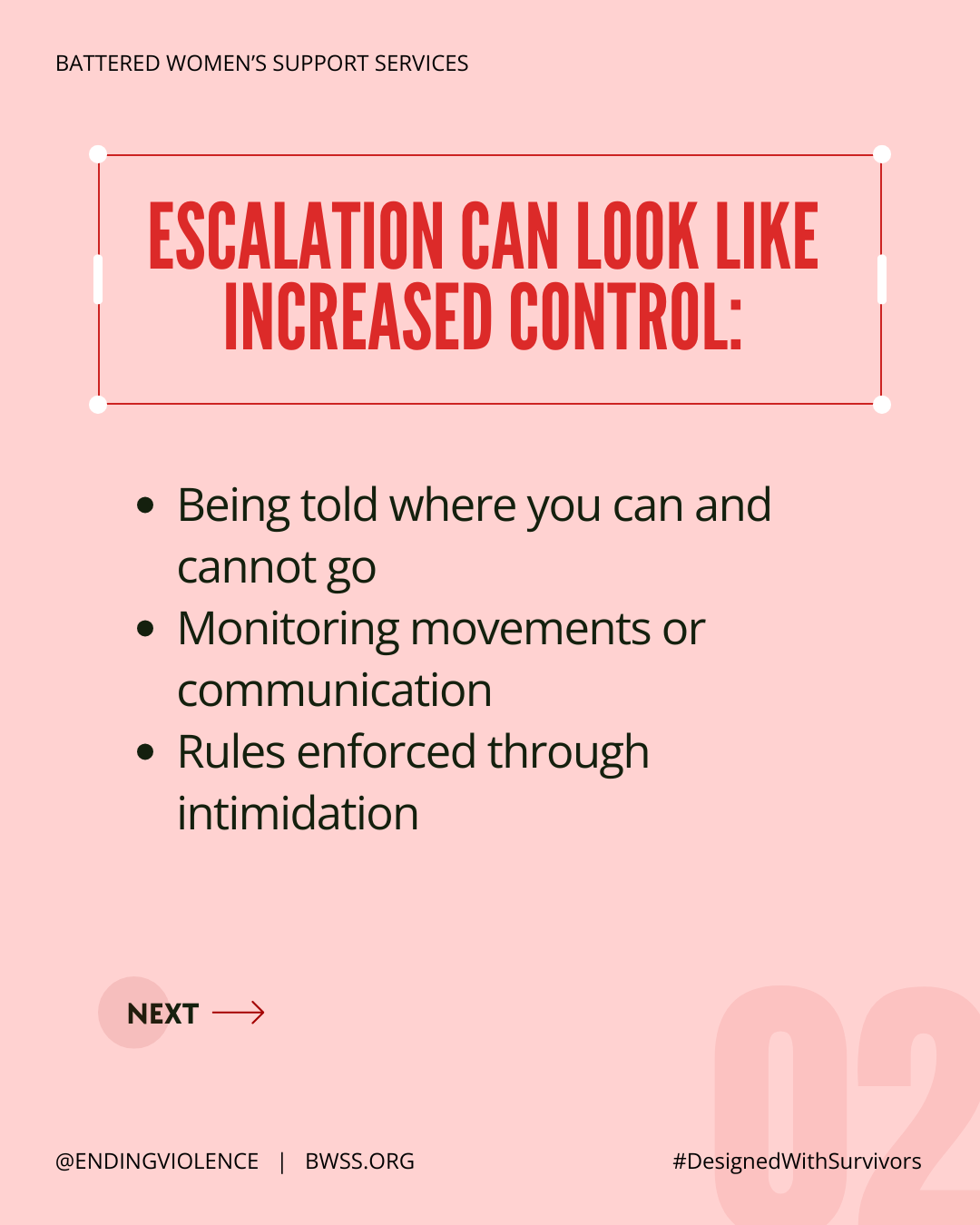
• Visible injury becomes the threshold for justice, rendering coercive control, psychological violence, and many forms of abuse legally invisible.
• Mobility and refuge are regulated, with married women facing potential imprisonment for visiting family members without a husband’s permission deepening the narrowing the pathways out of domestic violence.
• Public discussion itself becomes risky, as rights groups report that speaking openly about the law may be treated as a criminal act, further isolating victims and survivors and limiting collective response.

Domestic violence is not only legalized, but any resistance to it is also administratively suffocated.

Women with child - Herat, Afghanistan

Image by Marius Arnesen

Why This Matters Globally, Including Here in Canada

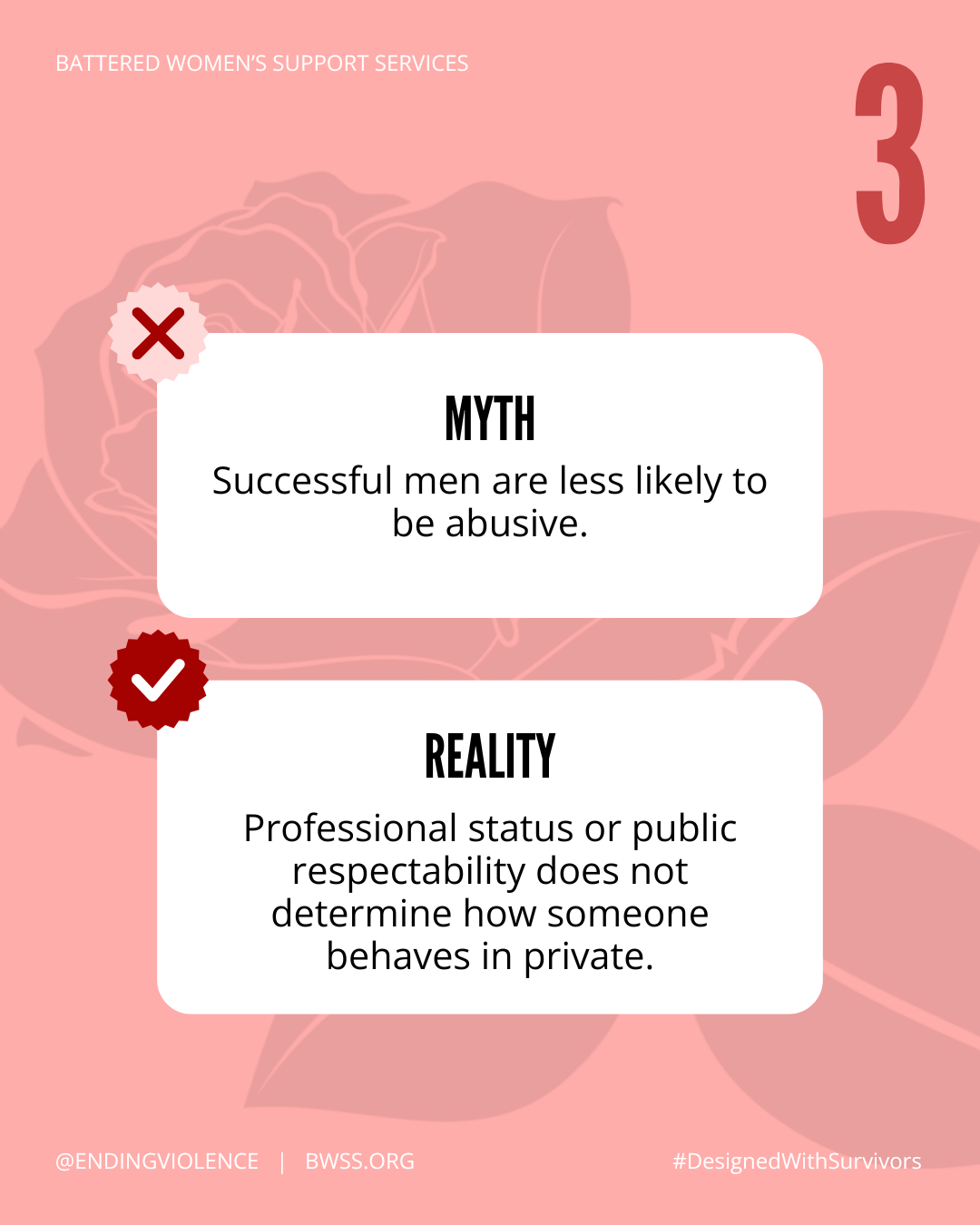
Canada’s legal and democratic context is profoundly different. Yet across parts of the world, including Western democracies, anti-feminist narratives are gaining traction. Gender equality is increasingly framed as ideological rather than foundational.

In Canada, feminism has historically played a central role in reshaping governance itself, challenging coverture, advancing suffrage, securing legal recognition of women as persons, and pushing for reforms in family law, violence prevention, and human rights protections. These changes were not inevitable; they were the result of sustained feminist organizing that redefined social and public safety as a collective responsibility rather than a private matter confined to the home.

Recently, Canada’s national security conversations have begun to reflect a new shift. The Canadian Security Intelligence Service has identified anti-feminist ideology as part of the broader landscape of ideologically-motivated violent extremism. Misogyny is no longer viewed solely as offensive speech; it is recognized as a factor that materially increases the risk of harm to women and girls.

Seen through this lens, anti-feminist ideology is not separate from governance; it becomes part of the ecosystem through which power is organized, challenging the very gains feminism has worked for generations to establish.

The safety frameworks many Canadians now take for granted exist because feminist movements insisted that violence inside the home was not private it was political.

Public Safety Is Designed

One of the most important lessons from Afghanistan’s penal code is that safety is never neutral. It is shaped and is often constrained by governance choices that determine whose autonomy is recognized and whose risk is normalized. In Afghanistan, the state withdraws protection and authorizes private enforcement. In Canada and other Western democracies, the dynamics are different, yet safety gaps still emerge when housing is inaccessible, prevention programs are underfunded, and victims and survivors must navigate systems that struggle to recognize coercive control or respond to harm without placing the burden back on those at risk.

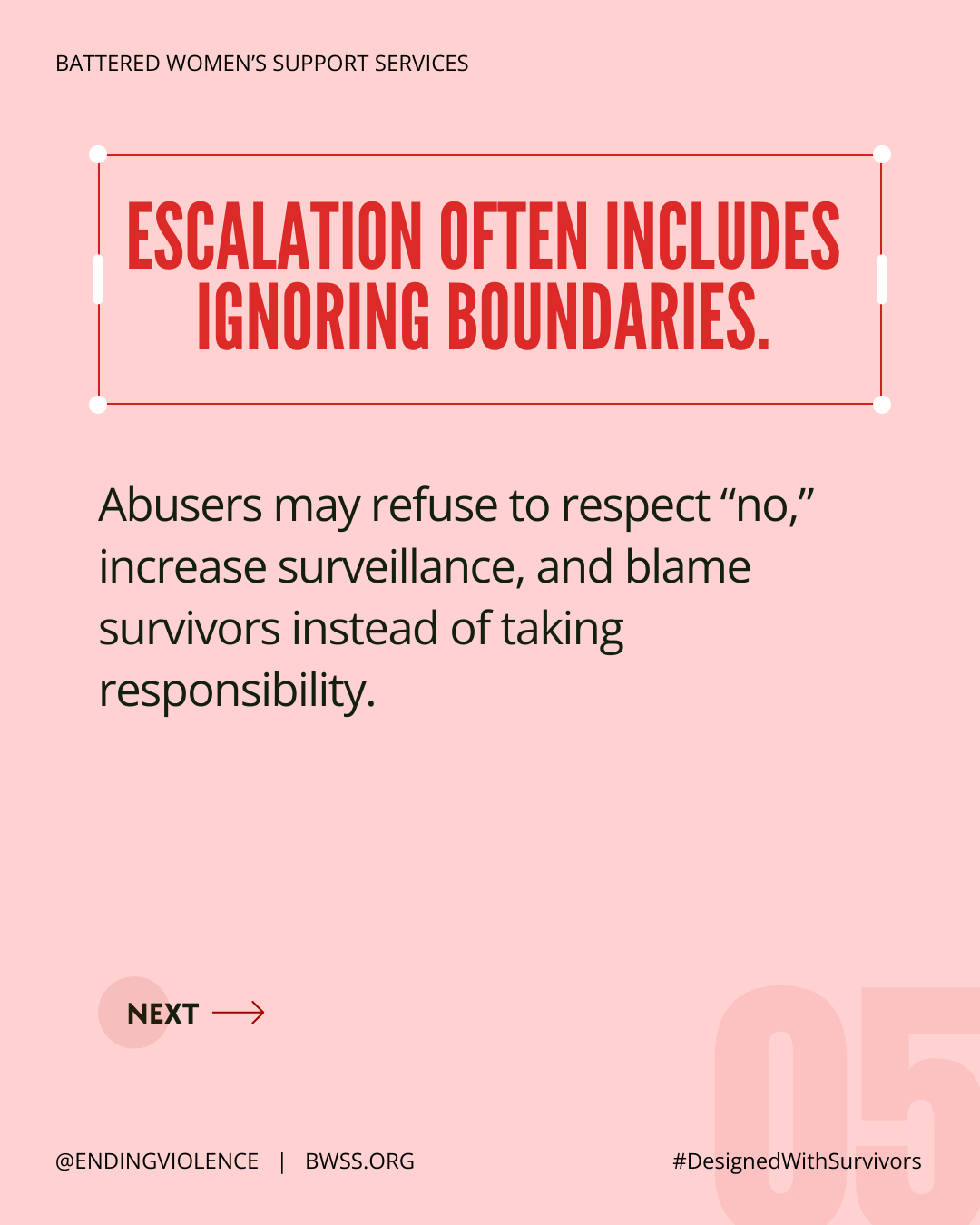
What matters is not whether systems appear the same, but how governance decisions organize the power that shapes the domestic conditions in which intimate partner violence escalates and, too often, ends in femicide. These decisions determine who can leave safely, who is believed when harm is disclosed, and whose risk is dismissed as private until it becomes a lethal public tragedy.

In Canada and globally, femicide exposes the cumulative consequences of these governance choices. When warning signs are minimized, coercive control goes unrecognized, or safety infrastructure fails to respond in time, the boundary between private harm and public crisis disappears.

Centrally, in Canada, the National Inquiry into Missing and Murdered Indigenous Women and Girls has already named racialized gender-based violence as rooted in colonial governance structures that normalized risk and limited protection of Indigenous women and girls. Its findings remind us that femicide is not only the result of individual acts, but of systems that determine whose safety is prioritized and whose vulnerability is created by legal and social governance.

The Real Warning

Gender apartheid begins not with a single law, it exists in a social context that is shaped by hierarchical domestic dynamics and grows through incremental shifts rooted in restrictions that are framed as tradition, religious doctrine, ideology framed as security, and narratives that portray feminism as a threat. The term gender apartheid has increasingly been advanced by United Nations experts to describe systems of institutionalized gender segregation and domination.

Recent global conversations about elite abuse and impunity, from high-profile trafficking cases to the ongoing scrutiny of powerful networks that enabled exploitation, remind us that gendered power operates not only at the margins of society but within its most protected institutions. The question is not simply whether gender-based violence such as intimate partner violence, domestic violence, or sexual assault or exploitation is condemned, but whether governance structures are willing to confront the systems that shield those who hold gendered, public, social, economic, or political power.

Though it may land as alarmist, recognizing these patterns is historical awareness. The making of Canada as a nation has baked in gender and racial inequality in law, as reflected in doctrines such as coverture and legislation such as the Indian Act, so any legal evolution reveals that rights are neither inevitable nor permanent. Canada’s social, public and legal systems are shaped by political choices and by the willingness of communities to insist that safety be designed with equality at its core.

Designing Safety With Survivors

For those working to end gender-based violence, the task is not to draw easy comparisons across borders. It is to understand how power operates across law and reforms, institutions and bureaucracy. The stories we tell about harm support our demand that social and public safety frameworks reflect the realities victims and survivors face. Feminist movements in Canada have long challenged the idea that violence inside the home is private, including through landmark advocacy that followed the Montreal Massacre and national processes such as the National Inquiry into Missing and Murdered Indigenous Women and Girls.

Today, that work extends to confronting how ideology and institutional loyalty can obscure harm, especially when it implicates those with power. History shows that gender and racial hierarchy does not disappear; instead, it adapts. Social and public safety, in turn, is not a fixed achievement but an ongoing political choice shaped by whose voices are heard and whose risk is taken seriously.

Written by Angela Marie MacDougall

Angela Marie MacDougall is Executive Director of Battered Women’s Support Services (BWSS) and a leading voice in Canada on gender-based violence, social and public safety policy, and intersectional feminist and decolonial governance. For three decades she has worked alongside victims, survivors, advancing policy reform, legal advocacy, defining education and training and prevention strategies that confront systemic violence against women. Her writing examines how social policy, law, ideology, and social institutions shape risk and how communities can design safety grounded in equality and accountability.

Latin American Women’s Counsellor

Work with us: Housing Advocate new job opportunity at BWSS

Latin American Women’s Counsellor

Full-Time Permanent | 40 hours/week

Start Date: March 9th,2026
Schedule: Monday–Friday, 9:00 am–5:00 pm (some evenings required)
Classification: Grid 14P | Union position | Hourly Rate: $40.03
Location: Vancouver, BC (in-person position)

Join Our Team

Battered Women’s Support Services (BWSS) has been at the forefront of the movement to end gender-based violence for over four decades. We walk alongside women in their healing journeys, centering survivors in all that we do. Our work is rooted in decolonial, intersectional feminist, and anti-oppressive practice, and we are committed to transformative change.

This work requires a diversity of lived and professional experience, and we believe our team is stronger when it reflects the communities we serve. Learn more about our mission at www.bwss.org

About the Role

As a Latin American Women’s Counsellor, you will provide trauma- and violence-informed individual and group counselling to girls, women, femmes, gender-diverse, and transfeminine survivors of gender-based violence. You will work as part of an interdisciplinary team committed to safety, healing, and liberation.

Key Responsibilities

  • Provide daily individual counselling sessions using a feminist, trauma-informed approach
  • Support survivors with complex trauma, including safety planning, goal-setting, and progress monitoring
  • Facilitate and co-develop group counselling sessions and healing spaces
  • Offer referrals, advocacy, and information tailored to each survivor’s needs
  • Maintain up-to-date clinical records and service documentation
  • Participate in regular individual and group clinical supervision
  • Engage with survivors from diverse racial, cultural, and linguistic backgrounds, particularly within Vancouver and Metro Vancouver
  • Participate in BWSS internal policy and advocacy committees as needed
  • Support contract-related administration for the Provincial Government’s Stopping the Violence Counselling program
  • Contribute to BWSS fundraising and public engagement activities as requested

Qualifications

  • Minimum two years of recent, supervised counselling experience with adult survivors of violence
  • Demonstrated training and experience in trauma and violence counselling
  • Deep understanding of how structural inequality and systemic violence affect survivors
  • Skilled in working with survivors navigating complex trauma responses
  • Experience designing and co-facilitating group counselling sessions
  • Strong communication skills—both verbal and written
  • Bilingual (English/Spanish) candidates encouraged to apply
  • Familiarity with non-profit, feminist, or community-based organizations
  • Experience mentoring practicum students or volunteers is an asset
  • Criminal record check is required

What Will Make You Successful

  • Commitment to intersectional feminist, decolonial, and anti-oppression practice
  • Collaborative and adaptable approach to working with colleagues and community partners
  • Exceptional organizational skills, with the ability to balance in-person and remote work demands
  • Strong facilitation and group leadership skills

Additional Information

  • This is a unionized role with wages and benefits determined by the collective agreement
  • The position reports to the Director of Clinical Practice and Direct Services
  • In-person service delivery in Vancouver is required
  • Preference will be given to Indigenous women, Black women, racialized women, disabled women, femmes, and members of other equity-deserving communities
  • Fluency in a language other than English is a strong asset
  • This position is open to women and femmes, as a bona fide occupational requirement

How to Apply

If you’re ready to join a team making a meaningful difference in the lives of women and children, we’d love to hear from you.

Please send your resume to:

Email: endingviolence@bwss.org
Application Deadline: March 4th, 2026

We thank all applicants in advance. Only those selected for interviews will be contacted. No phone calls or email inquiries, please.

BWSS is known for its inclusionary hiring practices. We offer the opportunity to work within an accomplished team making a difference every day on the frontline and beyond.

Family Court Reform Is Public Safety Work: What Bill C-223 Means for Survivors

children safe act

A Moment of Progress and a Reminder of What Survivors Have Been Saying for Years

This week, Bill C-223, the Keeping Children Safe Act, passed second reading in the House of Commons and will now move to committee for detailed study. For many Canadians, this may sound like another procedural step in Parliament. For survivors of gender-based violence and the organizations that support them, it represents something much deeper: recognition that family courts must better respond to violence, coercive control, and post-separation abuse.

At Battered Women’s Support Services (BWSS), we have long heard from survivors who describe how raising concerns about violence can be met with accusations of “parental alienation.” These narratives often shift the focus away from harm and onto the survivor’s credibility, creating conditions where safety becomes harder to achieve.

Bill C-223 reflects growing awareness that these dynamics are not isolated stories. They are systemic patterns that require structural change.

What This Legislation Seeks to Address

The proposed reforms aim to strengthen protections for women and children navigating family law processes by:

• ensuring children’s voices and safety are taken seriously
• challenging harmful myths and stereotypes about survivors
• clarifying that decisions must prioritize the best interests of the child rather than assumptions about shared parenting
• preventing practices that punish survivors for naming violence
• requiring greater attention to family violence within legal proceedings

These changes matter because family courts are often where post-separation abuse continues. Legal processes that overlook coercive control can unintentionally reinforce power imbalances long after a relationship ends.

What Survivors Experience, Beyond the Legislation

While legal reform is important, survivors consistently remind us that changing the wording of the law is only one part of the work.

Many women navigating family court describe:

• being advised not to raise violence for fear of backlash
• facing skepticism about their credibility
• feeling pressure to prioritize contact over safety
• navigating processes that do not fully account for coercive control

These realities are why BWSS approaches family law as part of a broader public safety framework. Violence does not end at separation. The systems survivors encounter afterward must recognize that risk can continue and sometimes escalate.

The Political Landscape and Why Advocacy Still Matters

Although Bill C-223 has passed second reading, its future is not guaranteed. The committee stage will involve detailed review and potential amendments. Some political parties have expressed support with conditions, while others may seek to weaken key provisions, particularly those addressing parental alienation accusations.

Frontline organizations and survivor advocates have played a significant role in bringing these issues to Parliament, and continued engagement will be essential as the bill moves forward.

At BWSS, we view this moment not as a conclusion, but as part of an ongoing conversation about how family law intersects with gender-based violence, child safety, and public accountability.

BWSS’s Role, Where Law Meets Lived Experience

For decades, BWSS has worked alongside survivors navigating complex legal systems. Our legal advocacy, safety planning, and training initiatives are grounded in what women and children actually experience, beyond only in crisis, but throughout the long process of rebuilding safety.

We are currently preparing a provincial submission addressing post-separation abuse and systemic responses within British Columbia. While federal legislation like Bill C-223 focuses on the Divorce Act, meaningful change requires alignment across jurisdictions. Federal reform can set important standards, but implementation and practice at the provincial level will ultimately shape outcomes for survivors.

Family Court Is Public Safety Infrastructure

Too often, conversations about family law are framed as private disputes. Survivors know that these decisions shape housing stability, economic security, child safety, and long-term wellbeing.

Recognizing family court as part of public safety shifts the focus away from blame and toward accountability. It invites systems to consider not only individual cases, but the broader patterns of coercive control that survivors describe.

#DesignedWithSurvivors means listening to lived experience early, before harm escalates, and building responses that prioritize safety over stereotypes.

Progress, But Not the Finish Line

Bill C-223 represents progress, and progress deserves recognition. But real change requires more than legislation. It requires cultural shifts within institutions, consistent application of trauma- and violence-informed practices, and ongoing advocacy from survivors and communities.

At BWSS, we remain committed to advancing survivor-centred reform , federally and provincially, and to ensuring that conversations about family law continue to centre safety, dignity, and accountability.

Safety changes everything.

BWSS Crisis Line: 604-687-1867
www.bwss.org
Police-Officer-Involved Domestic Violence 

When the person causing harm carries institutional power, safety can look very different.

Recent investigative reporting by CBC News, led by journalist Julie Ireton, has helped bring renewed public attention to what many survivors have been telling us for decades: violence involving police officers creates barriers to reporting, accountability, and justice that most systems are not designed to address. We want to acknowledge and thank Julie Ireton for her careful investigative work and for shedding light on the statistics and systemic gaps survivors face.

The data highlighted in this investigation — including hundreds of RCMP members facing gender-based violence disciplinary charges and the high number of domestic violence cases — reflects patterns we see in our frontline work. When an abusive partner is a police officer, institutional authority can become part of the abuse itself.

Survivors describe:

  • fear that colleagues will respond when they call for help
  • investigations that minimize or reframe harm
  • professional credibility being used as coercive control
  • deep concern about retaliation or not being believed

Underreporting in these cases is not silence — it is often survival.

At BWSS, we work directly with victims/survivors of police-officer-involved domestic violence . What survivors consistently tell us is that safety improves when support is independent, confidential, and grounded in trauma- and violence-informed practice. Independent advocacy, survivor-led safety planning, and legal support outside policing structures can make a critical difference.

Public safety must be designed with survivors in mind — even when harm happens inside powerful institutions.

If you or someone you know needs support, you are not alone.

📞 BWSS Crisis Line: 1-855-687-1868
🌐 www.bwss.org
Holding the Tumbler Ridge Community in Care
Today we are holding the Tumbler Ridge community, and the wider South Peace region, in our hearts. We are thinking of the lives lost, those who are injured and receiving care in hospital, and all who are carrying shock and grief in the wake of this violence.

What has unfolded is being felt across British Columbia as a profound loss. In a majestic, small northern community, a mass casualty event reaches far beyond the immediate moment. It touches classrooms, homes, workplaces, families, and the quiet spaces where people, adults, youth, and children, are no doubt trying to make sense of what has happened and what comes next.

On behalf of our team at Battered Women’s Support Services, this is to express deep respect for the leadership being shown locally. Earlier today, I reached out privately to Mayor Darryl Krakow and Tumbler Ridge City Council, whom we had the opportunity to meet with last summer, to offer care and solidarity as they support their community through an unimaginably difficult time. Municipal leaders carry both the human weight of grief and the responsibility to guide communities forward, and that work deserves recognition.

We also send love and gratitude to our anti-violence colleagues on the ground across the South Peace, including the teams at South Peace Community Resources Society, Mizpah Transition House, and regional Victim Services, along with educators, advocates, and community organizations who are already holding people with care. In northern communities especially, support networks are deeply interconnected, and the work of frontline staff often happens quietly, with immense compassion and strength.

Mass casualty events can change how safety is felt in everyday places, neighbourhoods, schools, homes, workplaces, and public spaces. As organizations committed to survivor-centred public safety and trauma-informed and violence-informed practice, we know that communities need space for collective grieving as much as they need coordinated response. Healing is relational and we join you as part of the human family in grief and resolve.

For now, we stand alongside the children, youth, families, the students, the workers, and everyone affected. May we move gently with one another, hold space for grief, and remember that care and community connection are part of how safety is rebuilt.

Angela Marie MacDougall
Executive Director, on behalf of the BWSS Team

Ways to Offer Support

For those who are looking for ways to offer support, the following community and family fundraisers have been established to assist those impacted:

Tumbler Ridge PAC – Supporting Families Affected
https://www.gofundme.com/f/tumbler-ridge-strong

Support for Maya’s Recovery
https://www.gofundme.com/f/support-for-mayas-recovery

Support for Kylie’s Mom and Family
https://www.gofundme.com/f/support-for-kylies-mom-family

A Journey to Stability: How Support Can Transform Lives

Dec 2025, | Synchronicity Second Stage Transition House Program

By: Zahra Hashemi

At Synchronicity Second Stage Transition House Program, we see every day how tailored support, safe housing, and a caring community can transform the lives of survivors of gender-based violence (GBV). One participant’s story reminds us that safety and support are more than just services, they are lifelines.

When she first arrived, she carried heavy burdens: navigating the complexities of newcomer life, securing stable housing, helping her child adjust to school, attending English classes, and managing forms and appointments, all while processing her experience of violence. Health concerns had gone unnoticed for months, overshadowed by the many demands on her time and energy.

Through the program, she found a safe space to focus on herself and her family. Staff helped identify and address health issues she hadn’t realized were impacting on her child’s well-being. They provided guidance on housing, supported her children’s schooling, helped her enroll in English classes, and connected her to community resources, all while ensuring her safety.

“This program was like a wheelchair for me,” she reflected. “Having that support just changed my life, and I was able to walk again.”

Our team’s consistent follow-up, personalized support, and community connections gave her the tools to rebuild self-confidence and self-worth. By removing barriers, providing guidance, and listening without judgment, Synchronicity created an environment where she could thrive.

Her journey shows the power of a comprehensive approach to supporting survivors:

  • Safe and stable housing
  • Connection to community resources
  • Guidance on newcomer-specific needs
  • Access to health services
  • Support for children’s education
  • Opportunities to rebuild confidence and self-worth

At Synchronicity, we believe that every survivor deserves a chance at safety, stability, and empowerment. With the right support in place, lives can be transformed, and hope can be restored.

Synchronicity Second Stage Transition House Program | BWSS