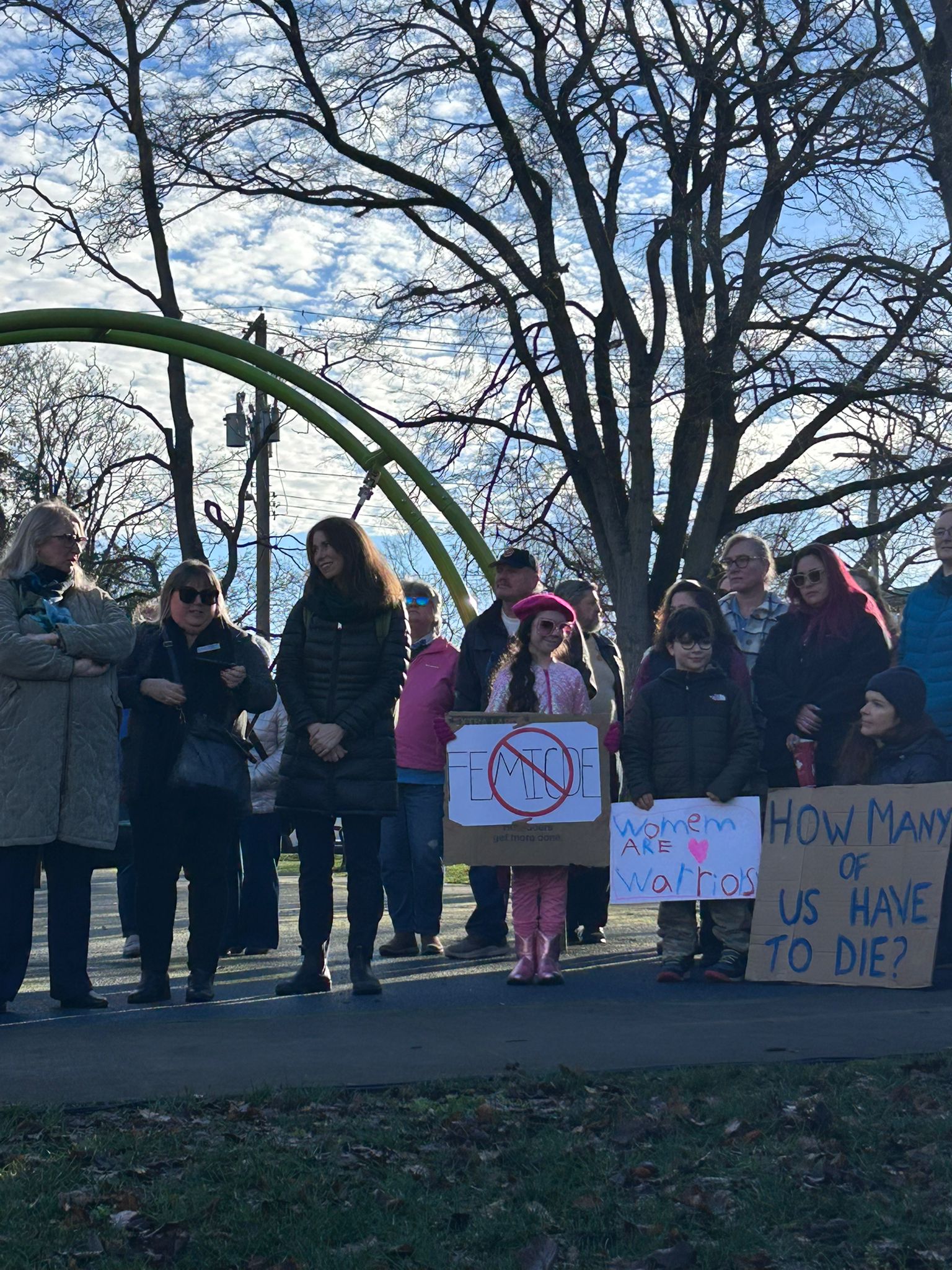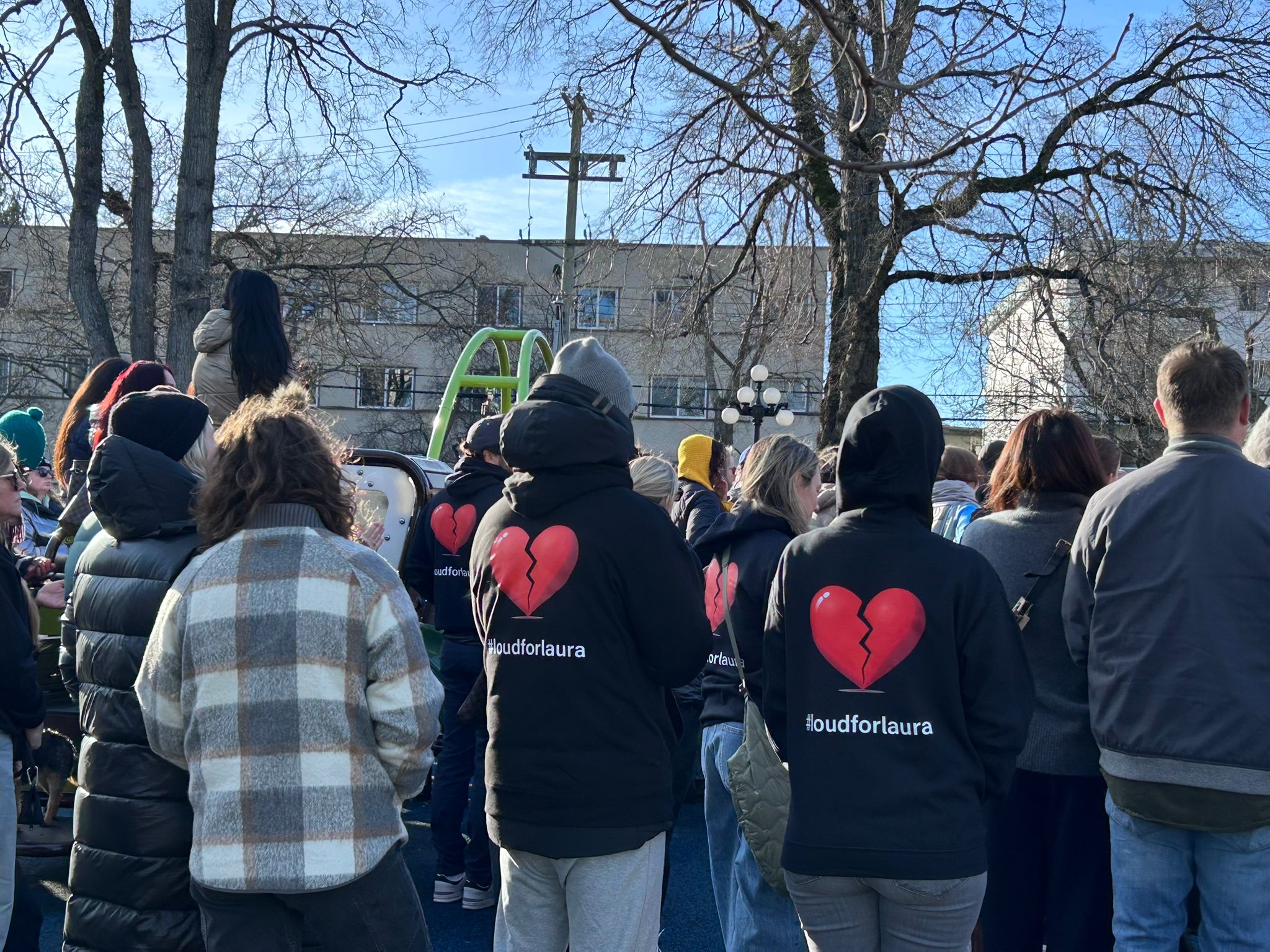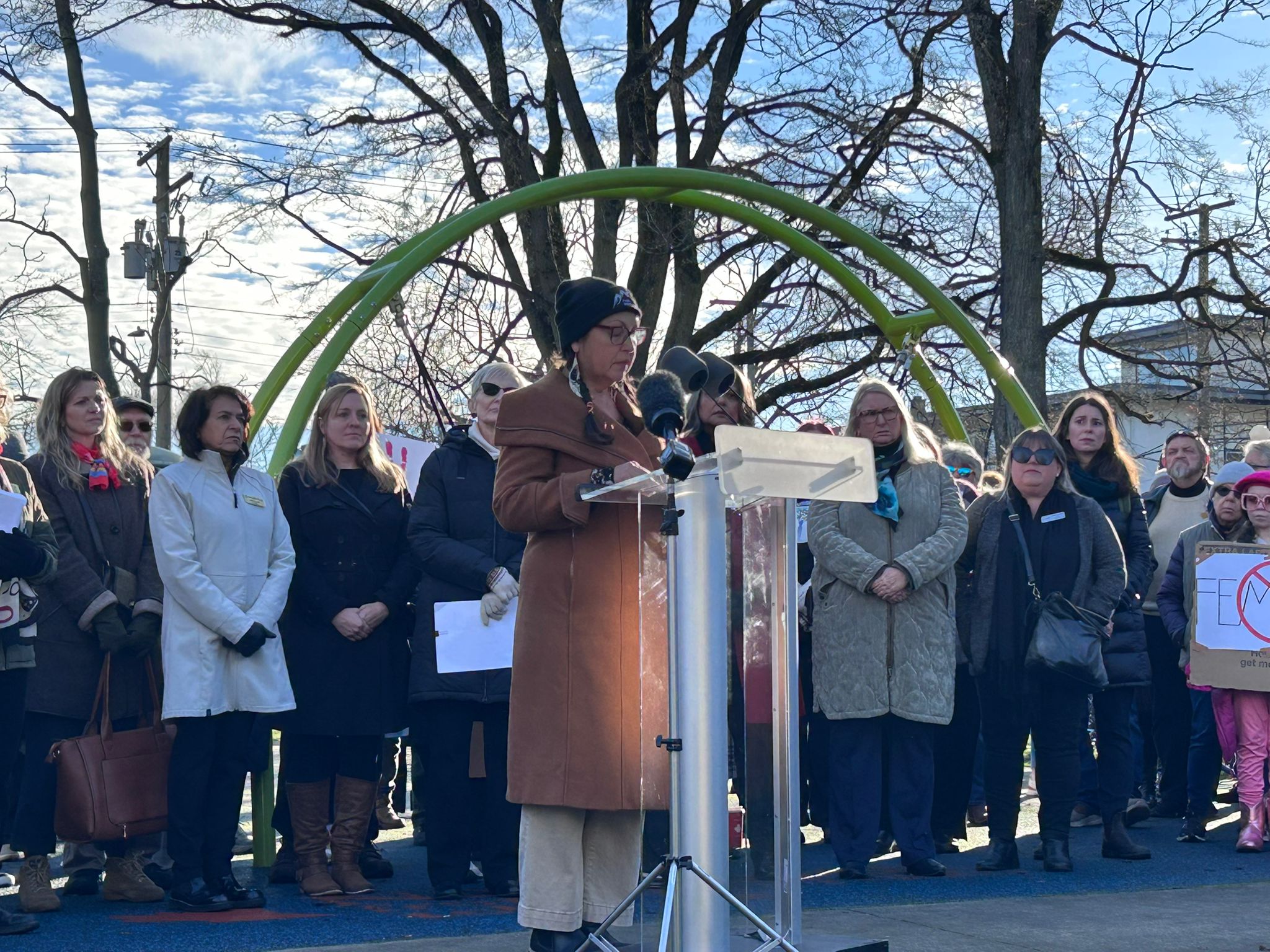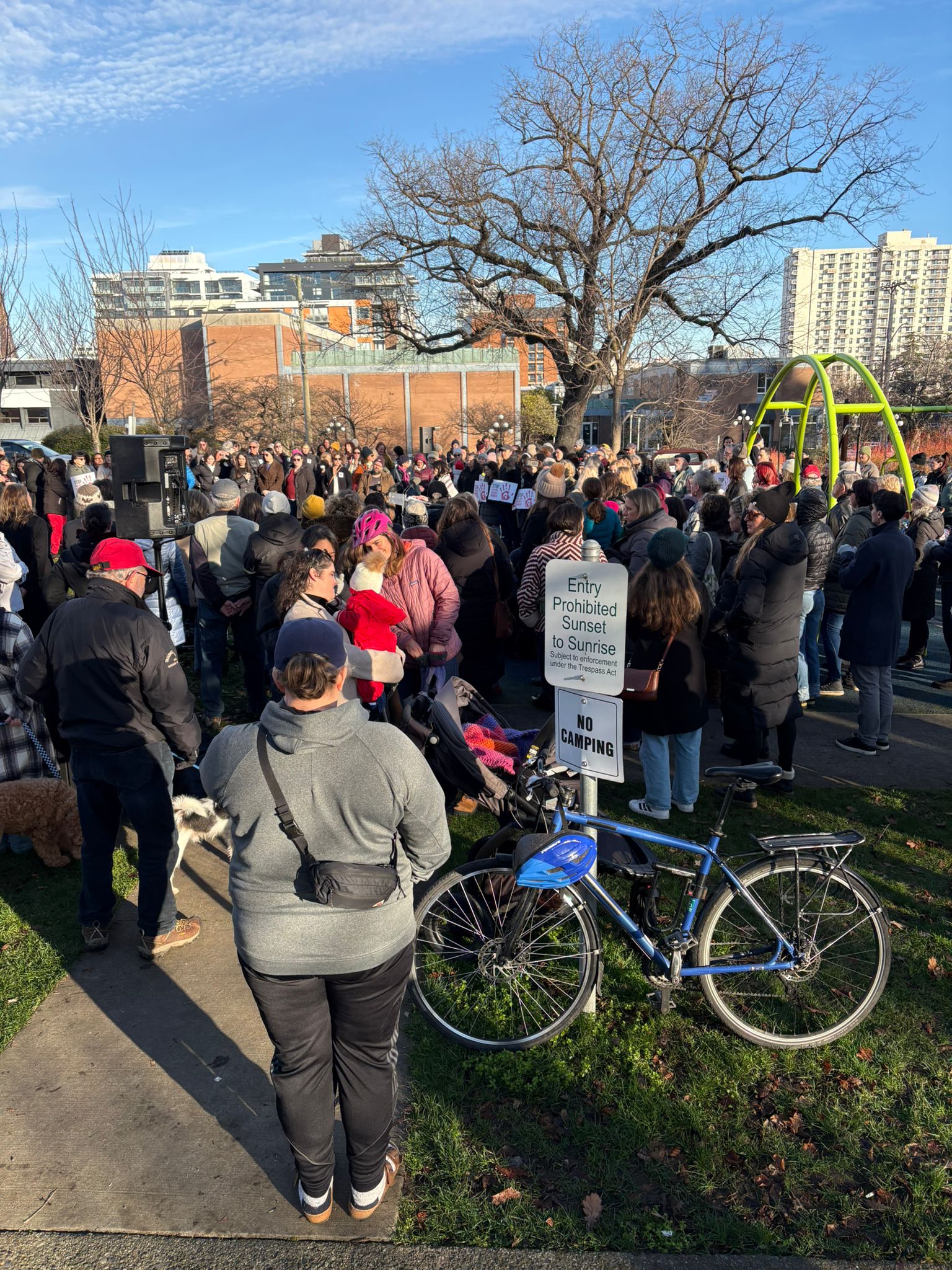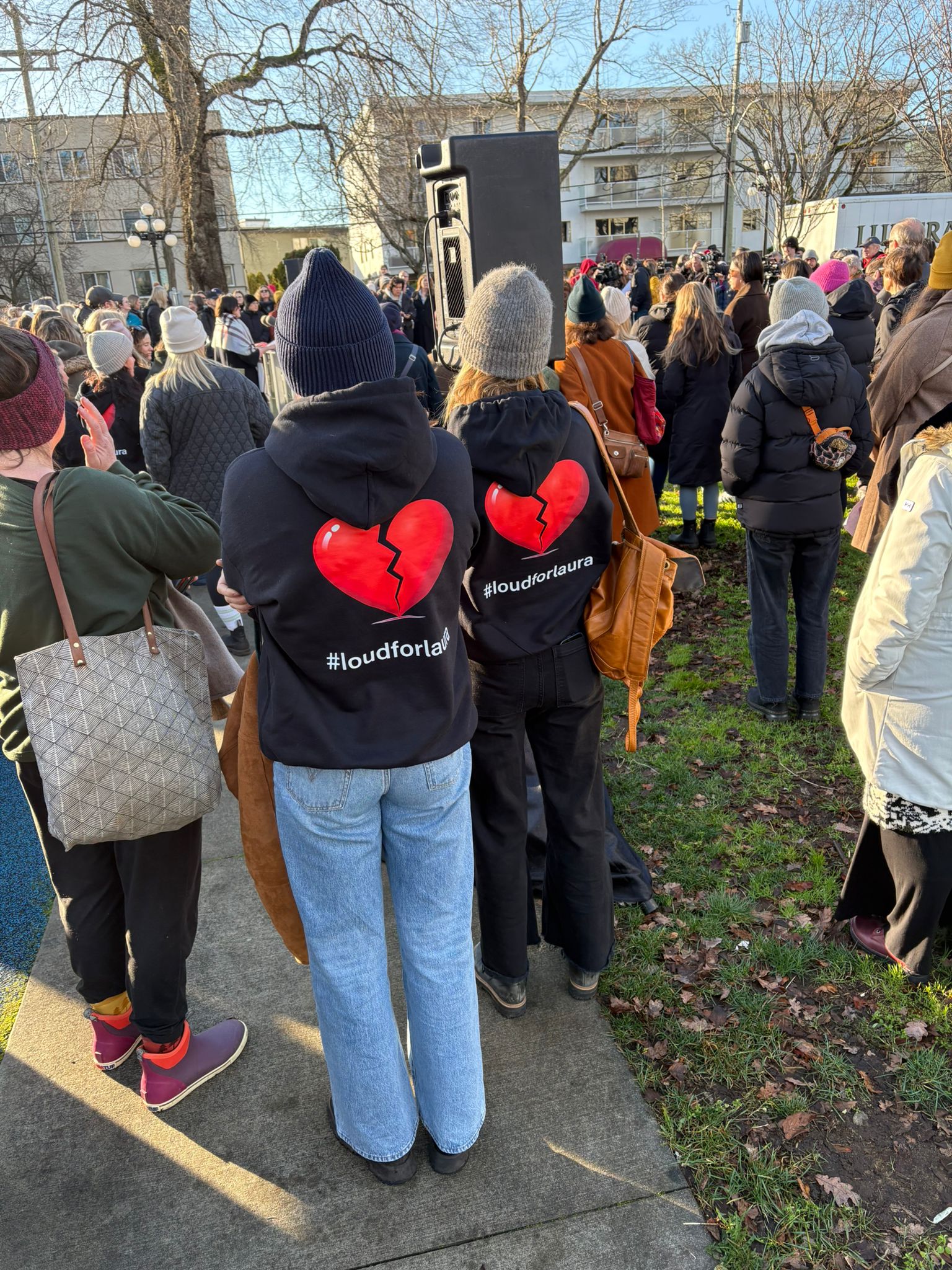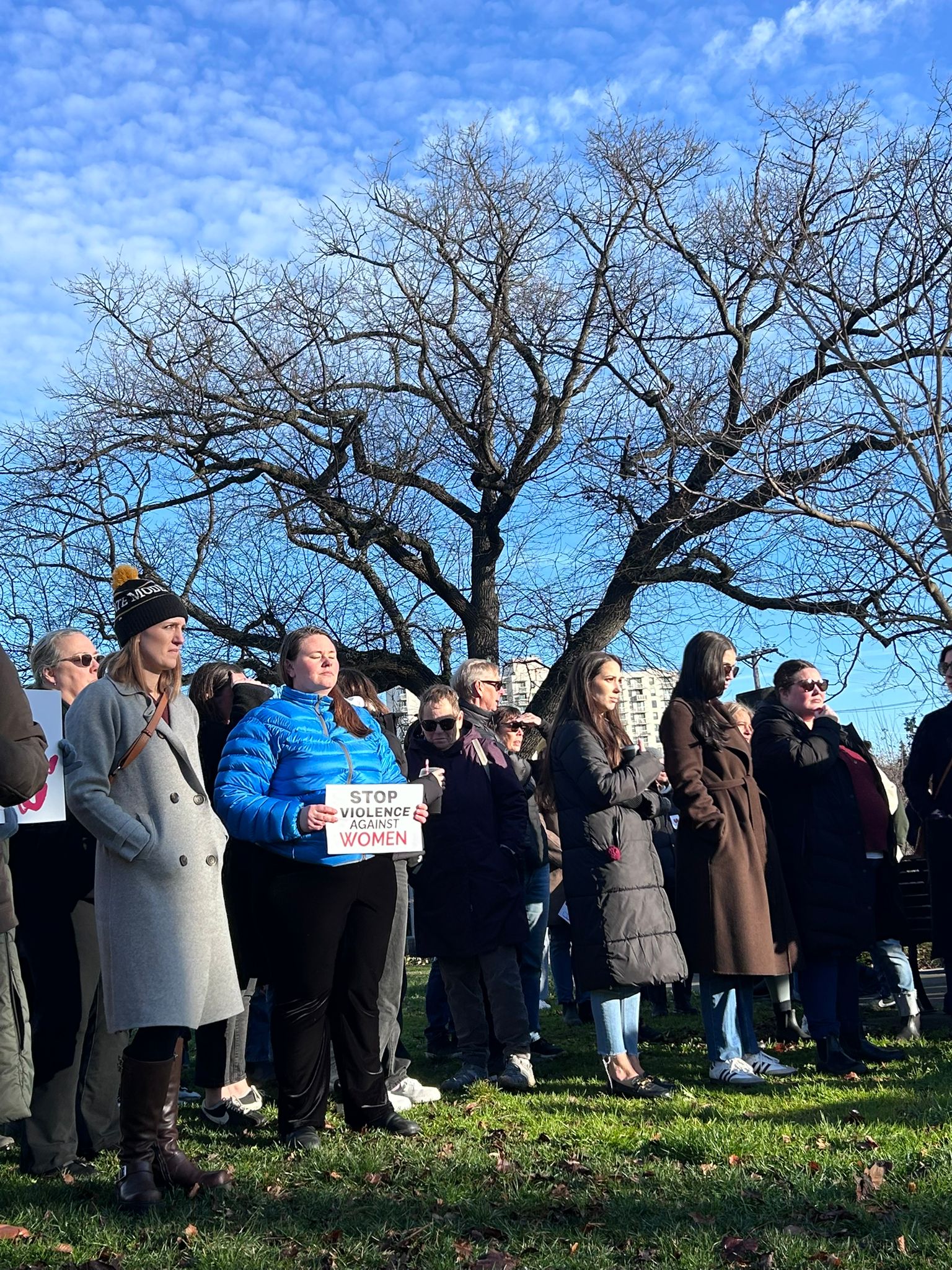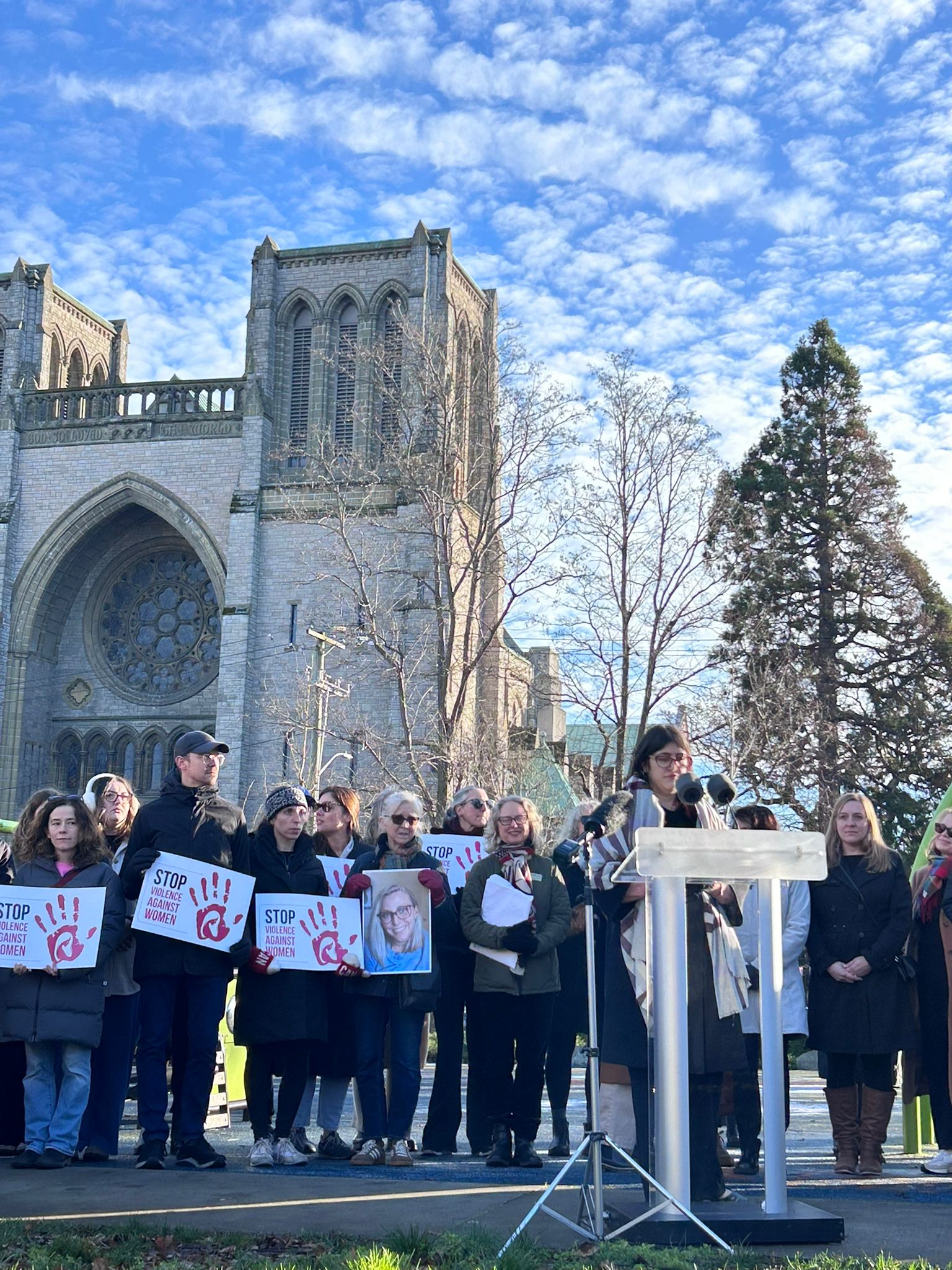
“Crime Is Down” But Women Are Being Killed Pamela Jarvis’s Death Exposes a Failure in BC’s Public Safety Framework

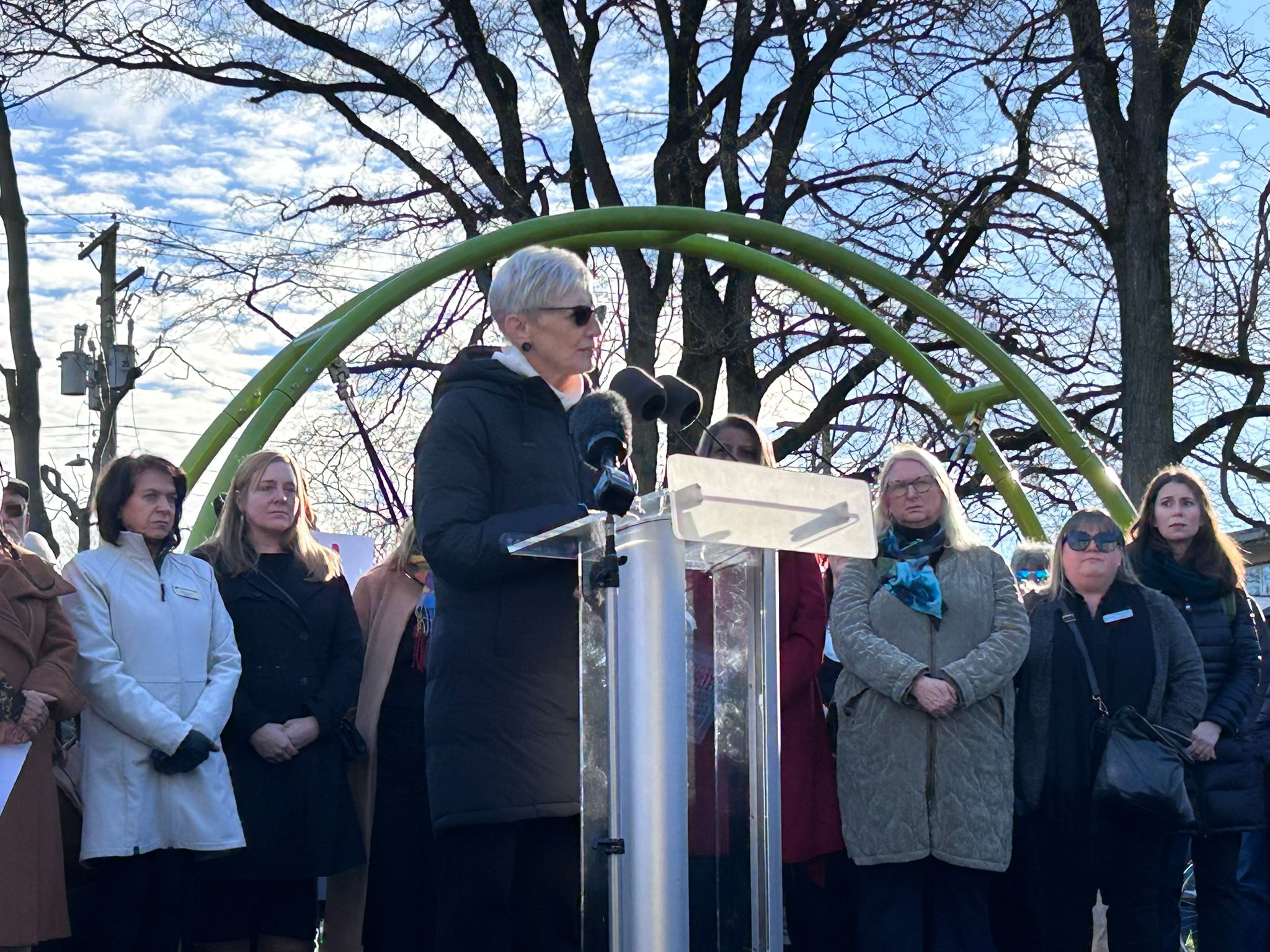
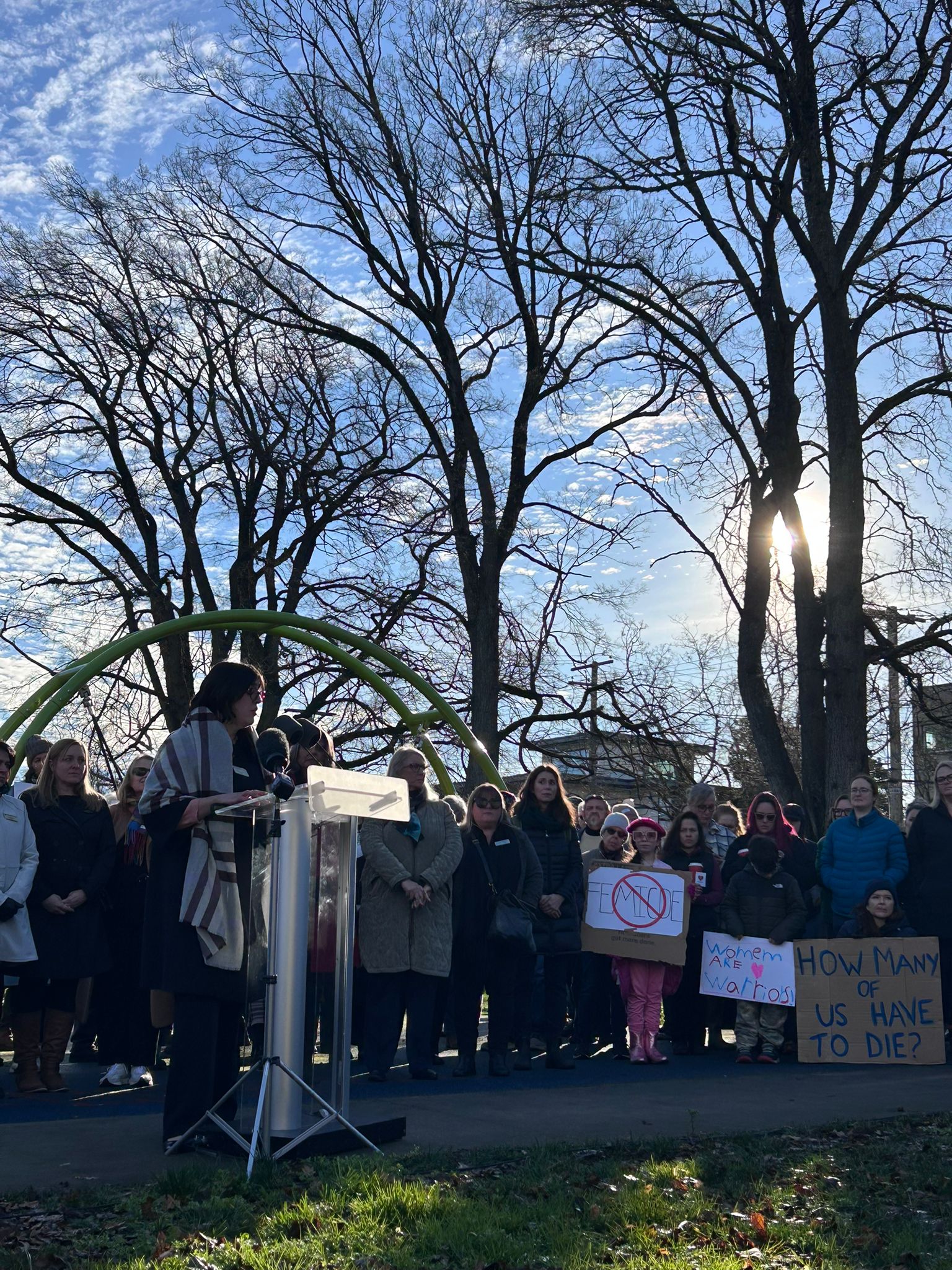
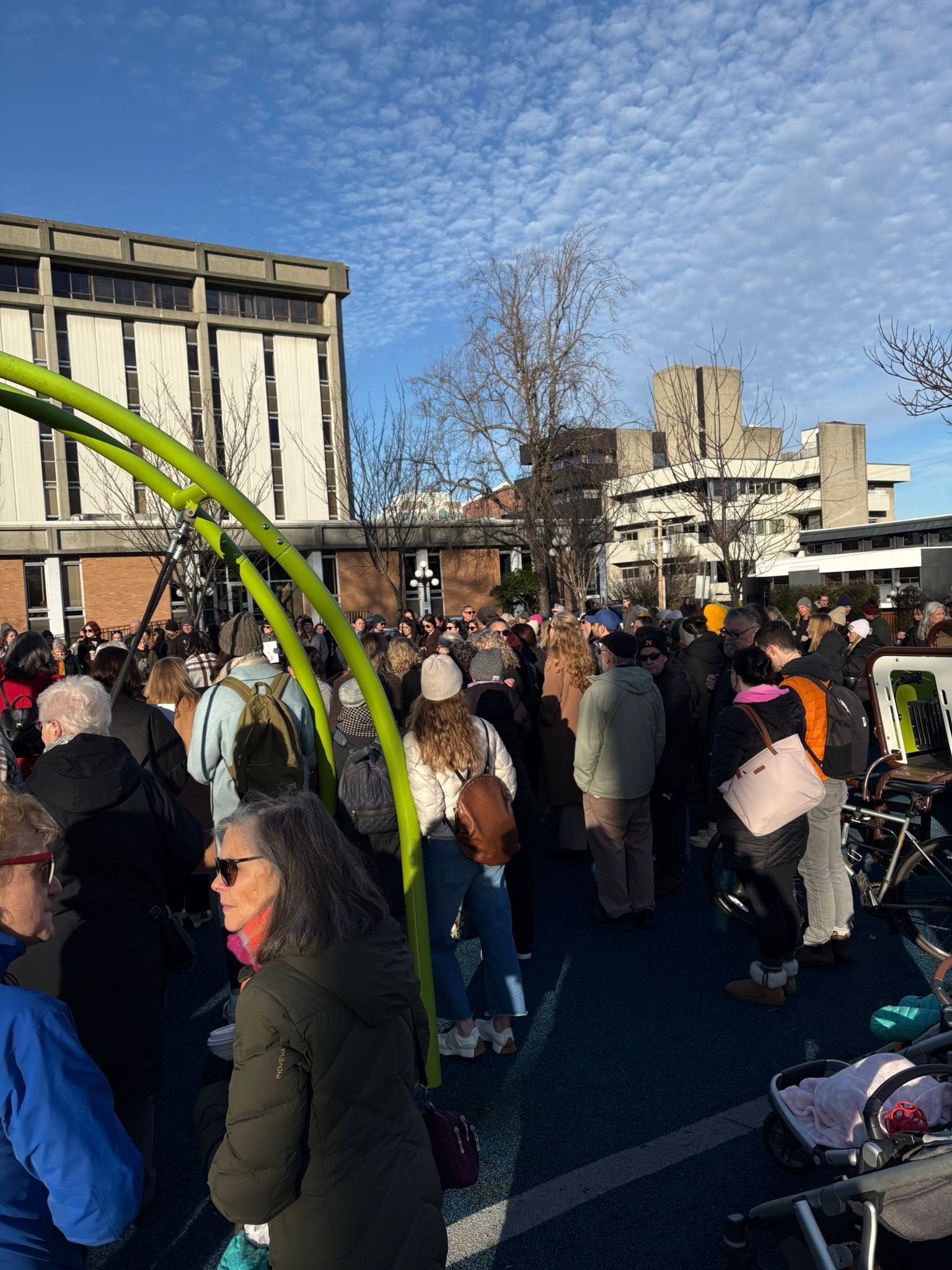
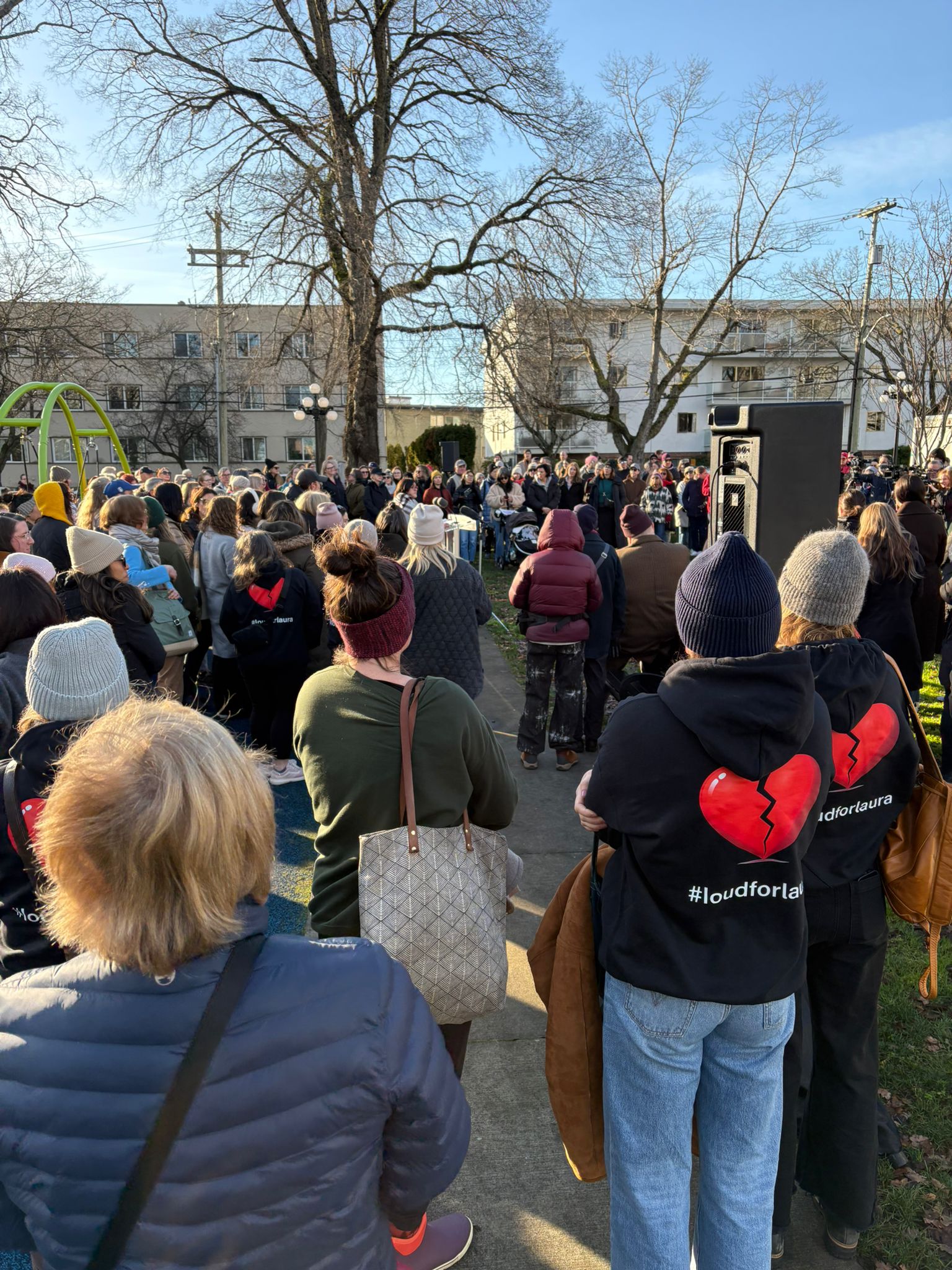
The following statement was issued by Battered Women’s Support Services on December 19, 2025 in response to the killing of Pamela Jarvis and ongoing delays in implementing femicide prevention measures in British Columbia.

Another woman has been killed in British Columbia while governments continue to promote a public safety narrative that claims progress.

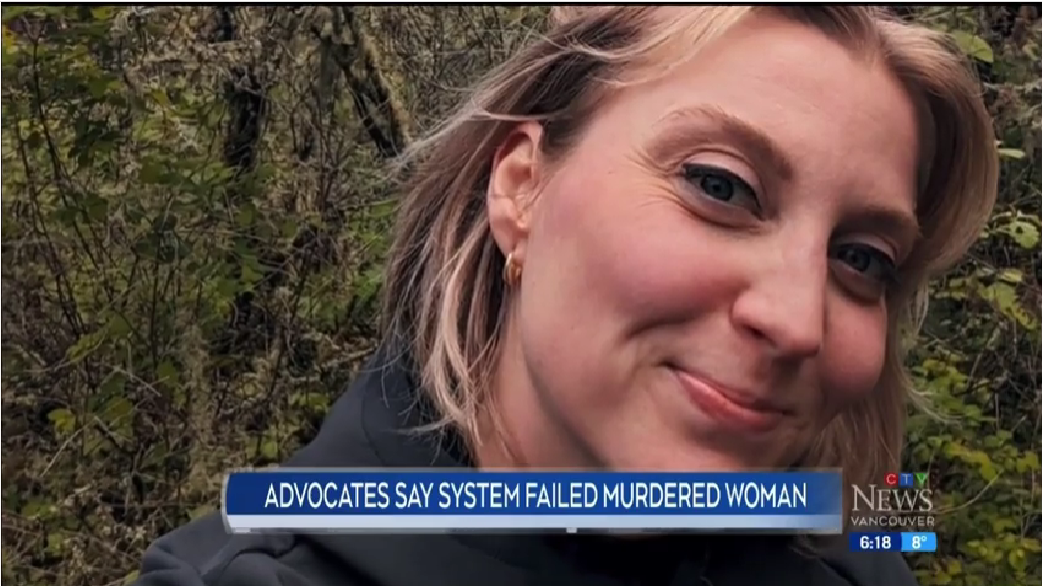
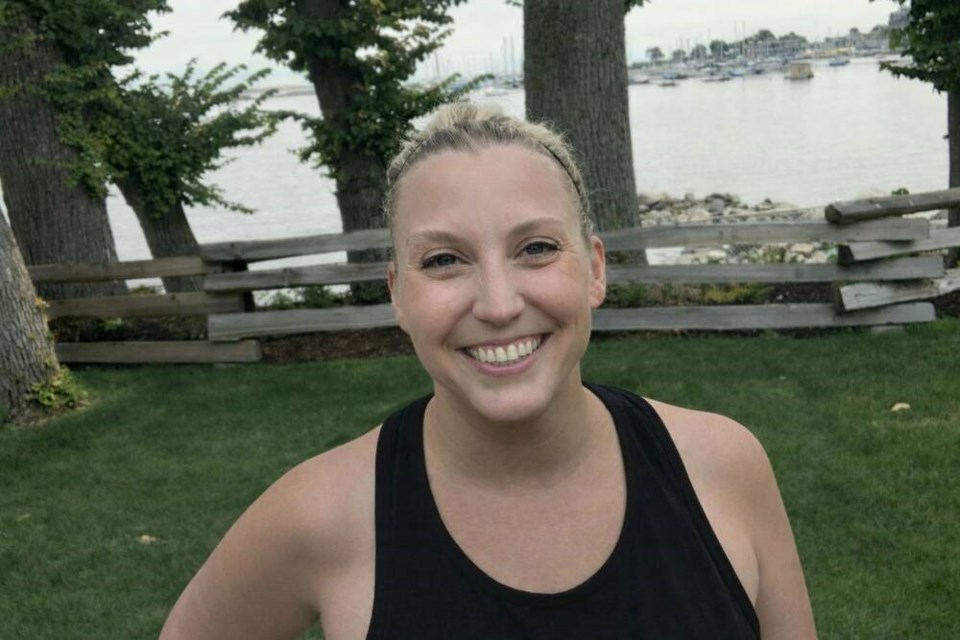
Pamela Jarvis, 45, was killed in Merritt. Her husband has been charged with second-degree murder. This killing occurred after months of warnings, letters, meetings, task forces, and assurances that action on femicide prevention was underway. It did not happen in the absence of policy discussion rather it happened during it.

Since August 2024, 40 women have been killed in British Columbia. Statistics Canada reports a 53% increase in women killed by intimate partners. These deaths are most often predictable, they follow a pattern and overwhelmingly perpetrated by men known to the victim.

Yet as women continue to be killed, the Province is advancing a year-end public safety narrative focused on declining crime rates, reduced police interactions, falling charge approvals, and repeat-offender initiatives.

What these measures simply do not capture is the violence that kills women.

Femicide and intimate partner violence largely occur outside the metrics currently being used to claim public safety success. This form of violence happens in homes and relationships, often following documented patterns of escalating risk. A reduction in police interactions is not the same as a reduction in danger. When women are being killed at increasing rates, claims that “crime is down” ring hollow.

“This is not a contradiction, it is a choice to frame this form of violence in this way,” said Angela Marie MacDougall, Executive Director of Battered Women’s Support Services. “Women are being killed while governments point to indicators that do not measure their safety.”

Since May 2025, BWSS and a coalition of more than 100 organizations have been pressing all levels of government to implement five concrete, evidence-based actions to prevent femicide. Over that period, there have been repeated meetings, reference groups, correspondence, and public commitments. What has not happened is implementation.

While some progress has been signaled on risk assessment, four of the five prevention actions remain unimplemented and without them, identifying risk does not translate into protection.

Importantly, bail reform and repeat offender schemes likely would not have prevented many of the killings that occurred during this period. These approaches do not address coercive control, escalating intimate partner violence, or known risk factors already flagged in confidential police tools. Unfortunately, they respond after harm occurs and not before.

“What we are witnessing is a failure of governance,” said MacDougall. “Municipalities pass motions without timelines. The Province convenes working groups without mandates. The federal government signals movement that remains incomplete and meanwhile, women continue to die.”

As British Columbia approaches the end of another year, the same femicide prevention measures remain stalled in discussion and the passage of time does not reduce risk it increases it.

BWSS is calling on journalists to direct questions to elected officials:
• Who is accountable for implementing the five femicide prevention actions?
• What are the timelines for implementation?
• Why are women still being killed while these measures remain unimplemented?

Pamela Jarvis’s death is not an anomaly. It is part of a known and growing pattern of femicide in British Columbia. As the province enters another holiday period, the same prevention measures that have been discussed for months remain unimplemented. The passage of time does not reduce risk, it increases it.

Every day spent in process rather than action leaves women and girls at known risk, and another year is closing with the same failures intact.

Risk Assessment Identifies Danger. Safety Planning Navigates It.

Last week, Canadian Press reported that police had identified intimate partner violence risk factors using a confidential tool and a woman was still killed.

This detail matters. It tells us something deeply uncomfortable but critically important: this was not a case where the danger was invisible. The risk existed, it was identifiable, and it was known. What failed was not awareness, but obligation.

Across British Columbia and Canada, femicide is often framed as unpredictable tragedy. But the reality is far more devastating and far more actionable. Most killings of women by partners or ex-partners are preceded by clear warning signs: escalation, coercive control, threats, stalking, breaches of court orders. Survivors know when their danger is increasing. The problem is that systems are not required to act when that danger is identified.

This is where the distinction between risk assessment and safety planning becomes urgent.

Risk assessment is a structured, evidence-based process designed to identify the likelihood of serious harm or lethality. It looks at patterns of behaviour and escalation, not isolated incidents. Its purpose is not documentation for its own sake. It is meant to trigger system responses: enforcement, court conditions, monitoring, information sharing, and coordinated intervention.

Safety planning is something else entirely. Safety planning is survivor-centred. It supports people in navigating unsafe realities when leaving is not possible, when systems are slow, or when protection is incomplete. It is adaptive, practical, and often quiet. It helps survivors survive danger. It does not reduce the danger itself.

When institutions collapse these two processes, responsibility quietly shifts. Survivors are expected to manage risk that only systems have the power to reduce. “Do you have a safety plan?” becomes a substitute for protection. This is not prevention. It is abandonment framed as support.

The Canadian Press reporting (hyperlink) exposes a deeper structural problem: discretion. When risk assessment is optional, accountability is optional too. Once risk is formally identified, institutions inherit responsibility, legal, moral, and operational. That responsibility requires resources, coordination, and scrutiny. When systems are allowed to choose whether or not to assess risk, they are incentivized to avoid it.

This is what BWSS has described as the “hot potato” problem. No one wants to hold documented high risk if they are not required to act on it. So, risk remains confidential, siloed, or under-used. Survivors pay the price.

Confidential risk tools do not prevent femicide actually accountability does.

Mandatory, standardized risk assessment changes the architecture of response. It removes individual discretion and replaces it with system obligation. It ensures that risk follows the case across policing, Crown counsel, criminal courts, family courts, and child protection. It makes danger visible not just at the frontline, but at institutional and government levels, where resourcing and oversight decisions are made.

Safety planning still matters. Survivors deserve support that respects their choices, constraints, and expertise in their own lives. But safety planning cannot be asked to carry the weight of prevention. That responsibility belongs to institutions with the authority to intervene.

This is why BWSS has consistently called for mandatory risk assessment across all systems responding to gender-based violence. And this is why the Attorney General’s recent move to prioritize standardized risk assessment matters. It signals recognition that prevention requires infrastructure, not just awareness.

The Canadian Press case is not an outlier, it is actually a warning that risk was identified and action was not guaranteed, in that gap is where women die.

BWSS’s report, Mandatory Risk Assessments: A Public Safety Imperative for Survivors of Gender-Based Violence will be released in early 2026 and it is an urgent intervention in this moment. Additionally, early next year, we will release a framework that sets out clear implementation pathways and accountability mechanisms because knowing the risk is not enough.

Make no mistake about it, risk assessment identifies danger, safety planning navigates it and only systems can reduce risk, victims can only survive it.


International Day to End Violence Against Sex Workers

On the International Day to End Violence Against Sex Workers, we stand in solidarity with sex workers across British Columbia and honour those who have lost their lives to violence, neglect, and systemic failure.

Sex workers live and work in communities throughout BC, in urban centres, small towns, rural and remote regions, and along major transportation corridors. While public attention has often focused on Vancouver, violence against sex workers and sexual exploitation are province-wide realities, shaped by criminalization, stigma, poverty, racism, colonialism, and the absence of accessible, community-based safety supports.

Sex workers face elevated risks of physical and sexual violence, particularly Indigenous women, racialized women, trans and gender-diverse people, migrants, people who use substances, and those working in isolated or under-resourced regions. In many parts of the province, sex workers contend with limited or nonexistent peer supports, outreach services, safe spaces, or non-police safety mechanisms, increasing vulnerability and isolation.

Preventing violence against sex workers requires more than individual services carrying impossible burdens. It requires the Province of British Columbia to treat sex worker safety and dignity as a core public safety and human rights responsibility, one that is consistent across regions, informed by lived experience, and grounded in non-carceral, rights-based approaches.

On this day, we call for provincial leadership that recognizes sex workers as fully human and deserving of safety, dignity, and protection, regardless of where they live or work. We affirm the importance of sex worker-led and community-based responses, and the need for sustained, coordinated action that does not leave people behind based on geography, criminalization, or social exclusion.

We remember those lost, we stand with those living and we commit to advancing safety, dignity, and justice for sex workers across British Columbia.

Endorsed by:

Haida Gwaii Society for Community Peace

Trail FAIR Society

A Turning Point for Survivor Safety in British Columbia

This week, Canadians witnessed two significant developments in the effort to address gender-based violence. The federal government announced proposed changes to the Criminal Code that move toward naming violence against women more accurately and more honestly. Legislative reform is important, but for us at Battered Women’s Support Services the most consequential news came from British Columbia.

On the same day as the federal announcement, British Columbia’s Attorney General confirmed that one of the Province’s top priorities in responding to the Stanton Report will be the creation and implementation of standardized screening, risk assessment and safety planning across both the criminal and family law systems. This commitment represents a long overdue recognition that the way institutions identify and respond to risk often determines whether a woman lives or dies.

Women in British Columbia have been killed after their risk was overlooked or downgraded. Others were killed even when formal tools were used but the results were not acted upon. These deaths were not unpredictable. They were preventable. When risk assessment is inconsistent, delayed or left to individual discretion, danger escalates unchecked. When systems fail to communicate, survivors fall through the gaps that institutions created.

This announcement from the Attorney General is a response to a femicide emergency that has become impossible to ignore. It is also one of BWSS’s Five Asks. We have repeatedly called for mandatory, standardized risk assessment across all systems. We know from decades of work that risk assessment is one of the few evidence-based tools that can reliably flag escalating danger. It gives police a clearer picture. It informs Crown decision making. It helps judges understand the level of threat women and children face. It guides safety planning and ensures that family court processes do not undermine survivor safety.

The commitment from the Province is a significant step, but its impact will depend entirely on implementation. Standardization means every case is screened. It means the same indicators of danger are recognized across police, Crown, courts and child protection. It means tools are updated to reflect what we know about coercive control, separation risk, strangulation, threats to children and systems abuse. It means that when high risk is identified, every actor involved understands what must happen next.

It is important to acknowledge how we arrived at this moment. Survivors have been naming their experiences for years. Families have spoken out after tragedies. Advocates across the province have insisted that risk assessment can no longer be optional. Researchers such as Dr Kim Stanton have laid out the systemic failures in detail. This announcement would not have happened without that sustained and often exhausting work.

The Province has taken a step that has the potential to save lives. It will only matter if it is carried out with urgency, consistency and courage. Every day without full implementation is a day when women remain at risk. Standardized risk assessment must become a foundation of public safety in British Columbia.

Over the coming days we will share more about what risk assessment is, why it matters, how it prevents femicide and what effective implementation looks like. We will outline how this commitment fits within BWSS’s Five Asks for a safer British Columbia. Most importantly, we will continue to centre the women who should still be here. Their lives guide our work. Their absence reminds us why this commitment must be fulfilled.

Our Five Asks:

  1. Mandatory, standardized risk assessment across all systems including police, Crown, courts, MCFD and family law so that danger is identified and acted on consistently.
  2. Municipal GBV Task Forces in every community to ensure local governments treat gender-based violence as a core public safety responsibility.
  3. Stabilized core funding for frontline anti-violence services so survivors can access crisis response, legal advocacy, housing support and counselling without delays or gaps.
  4. A long term provincial GBV prevention campaign to increase public understanding of coercive control, strangulation, stalking, digital violence and other indicators of risk.
  5. A dedicated GBV lead within Public Safety and Attorney General offices with responsibility for coordinating system change, ensuring oversight and monitoring implementation across ministries.


Rewriting Recognition as Canada Begins to Name Violence against Women as It Exists

This moment reflects a restructuring of how violence is recognized in Canadian law. It marks a step toward naming violence against women and gender-based violence as it exists and not as systems have traditionally preferred to define, minimize, deny, or rationalize. It signals the possibility of a cultural turn toward accountability and the partial dismantling of long-standing legal blind spots that have protected abusive partners, particularly in cases of sexualized violence, coercive control, digital abuse, intimate partner violence and femicide.

For decades, victims’ families, survivors, advocates, and frontline workers have named forms of harm that were invisible to legal systems such as coercive control, surveillance, manipulation, digital abuse, threats, patterns of intimidation, and the power dynamics that precede femicide. This legislation finally begins to acknowledge what survivors have lived, what victims have died from, and what the evidence has confirmed that violence is not only physical. It is a systemic pattern of escalating behaviours rooted in power and inequality.

By addressing coercive control, expanding protections against technology-facilitated violence, and recognizing forms of abuse that occur long before visible injury or femicide, Canada is moving closer to a legal framework that reflects survivor realities. These provisions have the potential to intervene earlier, disrupt patterns of harm, and reduce the likelihood that the justice system becomes involved only after serious injury or death.

At the same time, this shift calls for caution and reflection.

Criminal law alone has never been enough to prevent violence against women and gender-based violence. Survivors need safety, housing, income security, cultural supports, trauma- and violence-informed responses, and systems designed to operate without delays, disbelief, or retraumatization. Without these supports, many survivors cannot report to police, cannot remain safe after reporting, and are left navigating impossible decisions alone.

There are also real risks that new offences, particularly coercive control and digitally facilitated crimes, may be misapplied, misunderstood, or weaponized by abusive partners against the very people these reforms are meant to protect. We already see this pattern in family law, criminal law, and policing practices. When discretion is high and context is misunderstood, survivors, especially Indigenous, Black, racialized, migrant, or disabled women, can be misidentified as offenders. Preventing these harms requires more than legislative change: it requires intentional implementation, training, oversight, and a willingness to confront the harmful assumptions embedded in justice system responses.

We also cannot ignore the system these laws will enter. Survivors already face police inaction, prosecutorial inconsistency, unacceptable court delays, and institutional practices that routinely fail to intervene before violence becomes fatal. Naming new offences is one step. Ensuring survivors can safely and effectively access justice is another.

As we await the BC government’s response to the Stanton systemic review, we are cautiously hopeful that federal and provincial reforms may begin to move in alignment. If implemented thoughtfully and paired with meaningful investment in prevention, frontline services, stable core funding, and survivor-centred policies this moment could represent a turning point toward a future where the law does not arrive only after violence has escalated beyond repair.

Naming violence accurately is the beginning and ensuring safety in practice is the work ahead.

BWSS will continue working with governments at all levels to ensure implementation protects survivors, prevents misuse, and advances a coordinated, intersectional, survivor-centred approach to ending gender-based violence in Canada.

Quotes

Summer Rain, Manager, Justice Centre at BWSS

“For survivors who have lived years of abuse, control, manipulation, and fear, the law recognizing coercive control is not symbolic it is validation. But legislation alone will not protect women if systems continue to respond with disbelief, delay, or indifference. The question now is whether these laws will be enforced in ways that protect survivors or repeat the harms of the past.”

Angela Marie MacDougall, Executive Director, BWSS

“These reforms acknowledge what victims, survivors and frontline organizations have been saying for decades that violence is systemic, predictable, patterned, and preventable. Naming coercive control, femicide, and technology-facilitated abuse in law is overdue. But the real test will be whether federal, provincial, and municipal systems implement these changes in ways that truly enhance safety not simply expand criminalization.”

“We cannot arrest our way out of gender-based violence. Laws help name the problem, but safety requires housing, income, care, prevention, and systems designed with victims, survivors, not institutions, in mind. This is a beginning, and it must not become an endpoint. So, our work ahead is to keep working to hold systems accountable for enforcing laws it enacts.”


On the UN International Day for the Elimination of Violence Against Women, BWSS Declares: “16 Days Is Not Symbolic. It’s an Emergency Response.”

FOR IMMEDIATE RELEASE
November 25, 2025

On the UN International Day for the Elimination of Violence Against Women, BWSS Declares: “16 Days Is Not Symbolic. It’s an Emergency Response.”

British Columbia faces rising femicide, systemic failures, and unprecedented demand for services as BWSS launches 16 Days of Activism. One Emergency. One Province Rising.

VANCOUVER, BC — Today, on the United Nations International Day for the Elimination of Violence Against Women, Battered Women’s Support Services (BWSS) launches 16 Days of Activism Against Gender-Based Violence with a clear message for British Columbia: Declarations are not enough. Action is overdue. Lives are at stake.

Around the world, November 25 marks a global call for governments to prevent, respond to, and end violence against women. This year’s UN theme, Ending Digital Violence Against All Women and Girls,  highlights the national rise in tech-facilitated abuse, coercive control, digital surveillance, and online threats.

In British Columbia, the urgency is undeniable.

Gender-based violence is a public emergency in BC.

In the past 13 months, 37 women have been killed, while survivors continue to endure police failures, housing scarcity, court delays, and Crown decisions that leave them unprotected. BWSS has seen record-breaking demand across crisis lines, legal advocacy, transition housing, and safety planning, confirming what survivors already know: systems are failing to keep them safe.

In January 2025, the Province declared gender-based violence an epidemic. Yet, as BWSS details in its recent analysis, What Happened After B.C. Declared Gender-Based Violence an Epidemic?, no coordinated plan, no acknowledgement of the killings, no funding, and no emergency infrastructure followed.

Today, BWSS calls on the Province to implement Five Actions B.C. Can Take Right Now to Prevent Femicide:

  1. Mandate Municipal GBV Task Forces
  2. Stabilize Frontline Services with 15% Emergency Funding
  3. Standardize IPV Risk Assessment Across Systems
  4. Launch a Province-Wide Prevention Campaign
  5. Appoint a GBV Lead in the Attorney General and Public Safety ministries

“These are not aspirational ideas, these are immediate, evidence-based measures that would save women’s lives,” said BWSS Executive Director Angela Marie MacDougall.

A Province Rising: BWSS Launches the 16 Days

Throughout the 16 Days of Activism, BWSS will release daily videos and community broadcasts featuring survivors, advocates, researchers, artists, and frontline workers, a collective call for action and accountability.

Celebration of Resilience: November 25

BWSS opens the 16 Days with its annual gathering honouring survivors, community leaders, and frontline staff. The event amplifies the leadership of Black Women Connect Vancouver, partners in the Empower & Protect initiative and critical voices in the fight against anti-Black racism and gendered violence.

Too True Crime: Naming 580 Women Killed by Femicide

Today also marks the national launch of the Too True Crime podcast by the Canadian Femicide Observatory for Accountability and Justice – 580 episodes, one for each woman killed in Canada since 2020, calling for femicide to be recognized in the Criminal Code. BWSS is the British Columbia representative in this national initiative

“Around the world, November 25 is a call to action. In British Columbia, it is a siren. We have declared a GBV epidemic, but without an emergency response. Survivors cannot wait for symbolic commitments. They need infrastructure, coordination, and political will. We know what will prevent femicide. The question is whether the Province will act.”

“At BWSS we see the truth every day: survivors navigating systems that were not designed with them in mind. Our work across crisis lines, housing, and courts shows a clear pattern, when governments become desensitized, then underfund, delay, and deflect, women pay with their lives. Safety is not charity, safety is infrastructure.”

“This year’s UN theme, ending digital violence, could not be more relevant. Digital coercion, non-consensual distribution of intimate images, surveillance, and online threats are now central to almost every case we see. British Columbia must respond to contemporary forms of harm with contemporary solutions. The tools exist. The leadership must follow.”

CALL TO ACTION

BWSS urges British Columbians and municipal, provincial, and federal leaders to:

  • Demand the implementation of the Five Immediate Actions to Prevent Femicide
  • Support survivors through donations, volunteering, and amplifying the daily 16-Days broadcasts
  • Sign the national petition to recognize femicide in the Criminal Code
  • Hold systems, policing, Crown Council, Family Law and Criminal Courts, and governments, accountable for the safety they promise but have not delivered

For more information www.bwss.org