What Women Taught Us During the FIFA World Cup 2026
Specialized intimate partner violence response is public safety.
While millions celebrated the FIFA World Cup in Canada, here in Vancouver hundreds of women reached out to Battered Women’s Support Services seeking help with some of the highest-risk forms of intimate partner violence.
This report documents what women taught us, what specialized intimate partner violence frontline practice revealed, and why intimate partner violence response must be part of public safety planning for every major event.
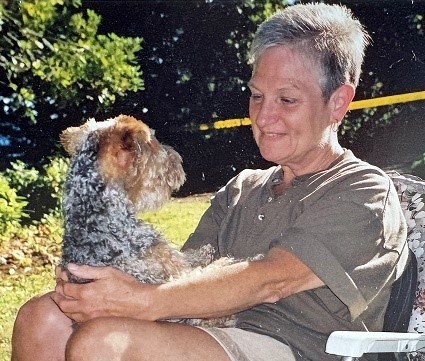
This report is dedicated to the memory of Janet Barnsley, one of the founding mothers of Battered Women’s Support Services.
Women living with intimate partner violence don’t need another report. They need safety.
Every conversation with a woman experiencing intimate partner violence teaches us something about coercive control, escalating risk, barriers to safety and what effective responses require.
Specialized intimate partner violence frontline practice extends beyond the delivery of a social service. It is a source of knowledge.
This report seeks to transform what women shared during the FIFA World Cup 2026 into practical lessons for governments, communities, researchers and organizations responsible for protecting public safety.
40 days of celebration — and a different reality at home
For 40 days, Vancouver was filled with celebration. Downtown streets were crowded. Matches were watched by millions. Extraordinary resources were mobilized to keep spectators safe.
At the same time, women were calling BWSS from homes where safety meant something entirely different.
They were trying to understand whether the intimate partner violence was escalating. They were weighing the risks of staying against the risks of leaving an abusive partner. They were making plans for themselves and their children while living with someone’s monitoring, threats and control.
Months before the tournament began, BWSS shared international evidence about the relationship between major sporting events and increased demand for intimate partner violence support. We proposed a specialized surge response.
The prevailing thought was that intimate partner violence would not be a factor deserving of a specialized response.
So, we prepared anyway.
BWSS expanded its specialized response to operate 24 hours a day, seven days a week throughout the tournament period.
Looking back, it is difficult to imagine what women might have faced had we accepted that a specialized response was unnecessary.
Here’s what women told us
During the FIFA World Cup, BWSS analyzed 734 specialized service contacts, representing a 37.2% increase over the same period the previous year.
The numbers reveal the scale of demand. Women’s experiences reveal why intimate partner violence frontline response specialization mattered.
Nearly two-thirds described coercive control and emotional or psychological abuse. More than half were experiencing high-risk intimate partner violence. Many were navigating family law and child safety concerns, trauma, post-separation abuse, stalking, police involvement and housing insecurity at the same time.
Among the women facing the highest levels of risk:
These were not isolated incidents or simple requests for information.
Well beyond isolated incidents or requests for information or a referral, women were trying to make decisions under conditions of fear, surveillance and ongoing harm to themselves, their children and to their companion animals. They needed advocates who could recognize patterns of coercive control, assess lethality, understand the risks associated with strangulation and post-separation abuse, and help build a safety plan around the realities of their lives.
From evidence to implementation
We did not write this report because we thought the world needs another report. We thought it was urgent to lean into the research that identified increased risk during major sporting events has existed for years, knowing the evidence alone does not create safety.
The implementation does.
Drawing on women’s experiences and 40 days of frontline practice, BWSS developed a practice-based implementation framework examining how specialized organizations translate research into action during a foreseeable period of elevated risk.
The report identifies the organizational capacity, professional competencies and implementation, public education and intervention practices required to strengthen survivor safety before, during and after a major public event.
It also documents something that administrative data alone cannot show: what specialized IPV practitioners notice, understand and do when women disclose overlapping and rapidly changing forms of abuse.
This is knowledge generated through practice — and unfortunately it remains on the frontline. It should inform policy, emergency planning, funding decisions and the design of future public-safety responses.
You might think our name would explain it
You might think an organization called Battered Women’s Support Services would not still have to explain why specialized intimate partner violence response matters.
Yet here we are. Nearly fifty years after BWSS was founded, the case for specialization is still being made.
Fortunately, we are not making it alone. Women’s Aid organizations in the United Kingdom have demonstrated the value of specialist services for decades. Feminist practitioners and researchers, including the authors of the Kirby research, have documented why women experience stronger outcomes when support is delivered by organizations with deep expertise in violence against women. Even the City of Toronto named intimate partner violence outright and said it was organizing around that reality.
Five things our FIFA Specialized Intimate Partner Violence Response reveals
Women sought specialized help when it was visible, clearly identified and available beyond regular office hours. A public message is only useful when a real service exists behind it.
Women described overlapping forms of abuse, including coercive control, strangulation, stalking, economic abuse, child-safety concerns and post-separation violence. Effective responses must be capable of understanding the whole pattern.
Frontline practitioners do more than respond to individual crises. Through risk assessment, safety planning and sustained contact with women, they identify emerging patterns and generate knowledge that can strengthen policy and practice.
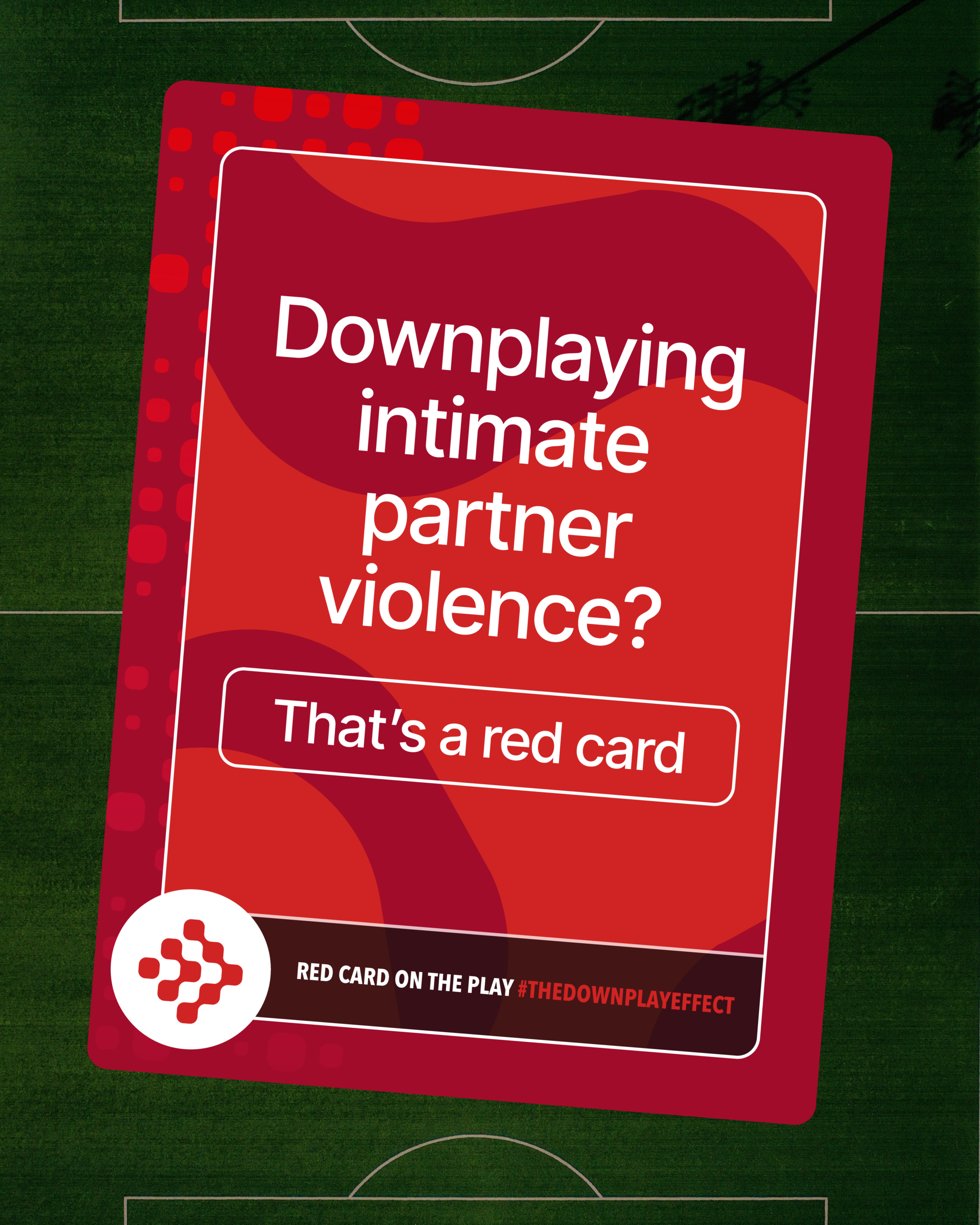
During the tournament, BWSS’s public education campaign reached millions of people with one clear message: intimate partner violence does not just escalate — it is downplayed first. When people can recognize coercive control and escalating risk, women are more likely to be believed, supported and connected with specialized help.
The evidence about violence against women during major sporting events was already available. Responses must include the specialized organizations women turn to when the danger becomes impossible to manage alone.
Related resources
The Downplay Effect
Learn how coercive control and escalating intimate partner violence are minimized before they are recognized as dangerous.
Watch the public-service campaign
View BWSS’s FIFA World Cup public-awareness videos and share the message that public safety starts at home.
Read the press release
See BWSS’s public statement and findings following the FIFA World Cup 2026.
Get support
BWSS provides specialized crisis support, safety planning, counselling, legal advocacy and referrals for women experiencing intimate partner violence.